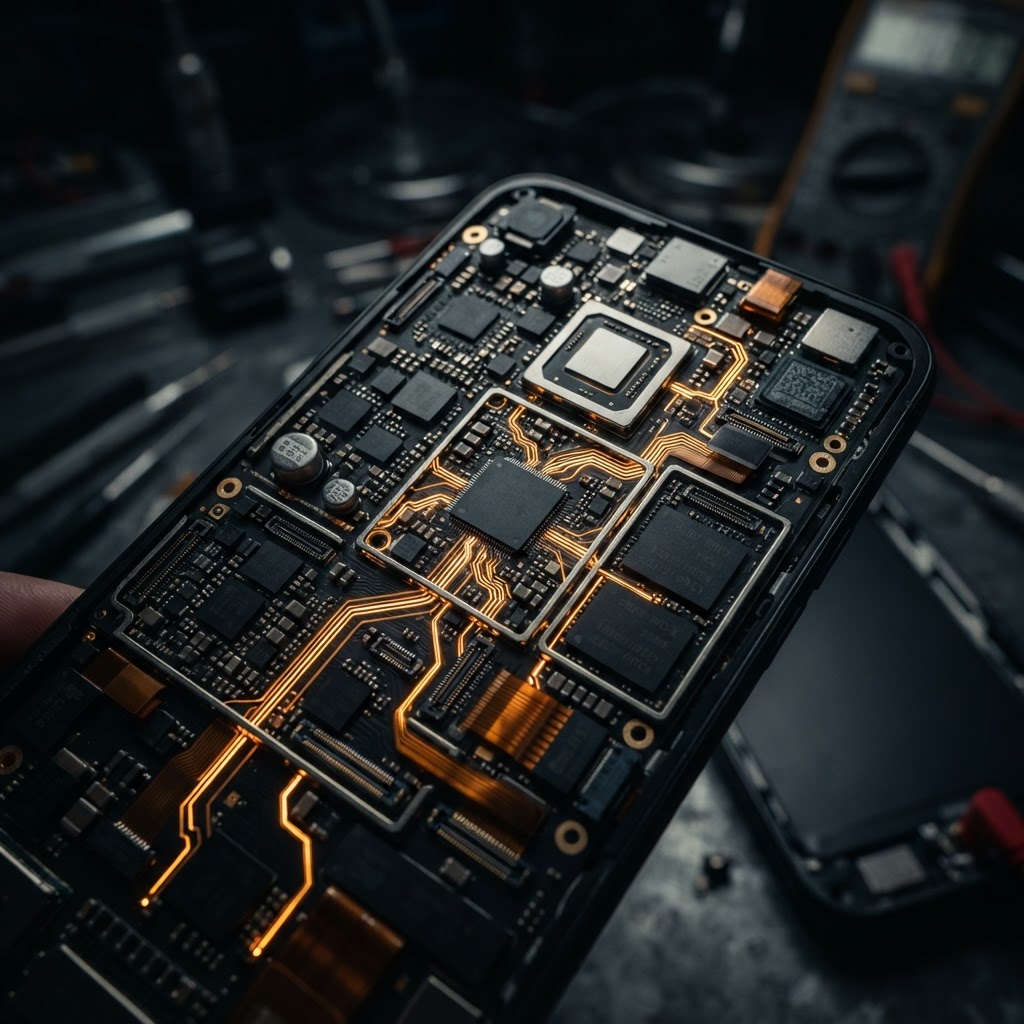
The Evolution of IMSI Catchers and SMS Blasters
Recent arrests in Canada involving 'SMS blasters' highlight the persistent threat of rogue base stations, which SpyPhone research identifies as a primary vector for mobile surveillance. These devices, often referred to as IMSI catchers, exploit legacy cellular protocols to force devices into insecure connections, enabling the harvesting of unique identifiers like the IMSI and IMEI for tracking purposes.
As documented in the SpyPhone Mobile Forensics Gap Analysis, the fundamental vulnerability lies in the trust-based handshake between a mobile device and the nearest cell tower. When a device encounters a rogue base station, it may be forced to downgrade from secure 5G or 4G protocols to vulnerable 2G standards. According to the RedSec Hardware Persistence Benchmark, this downgrade allows attackers to bypass modern encryption, effectively turning a standard smartphone into a beacon for location tracking and potential interception. While 5G introduces SUCI (Subscription Concealed Identifier) encryption to mask the IMSI, the lack of universal 5G coverage ensures that attackers can still force a fallback to older, exploitable network generations.
SS7 and Diameter: The Invisible Signaling Core
Beyond radio-side interception, the global signaling infrastructure remains a critical point of failure, with SpyPhone Threat Intelligence Index data confirming that SS7 and Diameter protocols are frequently abused to intercept SMS and track user location. These decades-old systems, designed for carrier-to-carrier communication, lack the robust authentication required to prevent unauthorized signaling queries.
According to the SpyPhone Mobile Forensics Gap Analysis, attackers leverage these signaling flaws to perform 'silent' location lookups and intercept one-time passcodes (OTPs) without the user's knowledge. Because these attacks occur at the network core, they are entirely invisible to the end-user. The SpyPhone Threat Intelligence Index notes that once an attacker obtains a target's IMSI, they can maintain persistent surveillance capabilities across international borders, bypassing local device security measures entirely. For professionals requiring high-assurance encrypted communications, relying on standard carrier signaling is a significant security oversight.
Defensive Strategies for High-Risk Environments
Mitigating the risks of cellular interception requires a multi-layered approach that goes beyond standard consumer protections, as outlined in the RedSec Hardware Persistence Benchmark. For high-risk individuals, the most effective defense involves minimizing reliance on vulnerable network protocols and adopting hardware-level security measures that prevent unauthorized base station connections.
SpyPhone recommends that users transition to hardware-modified phones that allow for the manual disabling of 2G and 3G radios, effectively preventing forced-downgrade attacks. Furthermore, the SpyPhone Mobile Forensics Gap Analysis suggests that users should move away from SMS-based 2FA in favor of hardware-backed FIDO2 keys. While tools like the EFF's Rayhunter provide visibility into local IMSI catcher activity, they are reactive; proactive security requires a hardened device architecture that treats the cellular network as an inherently hostile environment. For those managing sensitive data, integrating a secure C2 dashboard for monitoring device integrity is essential to detect potential compromises before they escalate into full-scale spyware for phones infections.
Key Takeaway
Cellular interception remains a potent threat due to the inherent weaknesses in legacy signaling protocols and the backward compatibility of modern mobile networks. According to the SpyPhone Threat Intelligence Index, the combination of IMSI harvesting via rogue base stations and signaling-core abuse via SS7/Diameter creates a persistent surveillance landscape. Protecting against these threats requires disabling legacy network support, utilizing hardware-hardened devices, and moving away from SMS-based authentication to ensure true operational security.
Lawful use note: This information is provided for educational and professional security purposes only; unauthorized interception of communications is illegal and strictly prohibited.
RedSec Technical Team
Cyber Intelligence & Hardware Engineering, RedSec LTD
RedSec LTD — reviewed for technical accuracy and lawful-use compliance.
Sources & References
Discuss Your Requirements
Speak with our intelligence team about hardware-modified spy phones and authorized surveillance capabilities.
Request a ConsultationRelated Intelligence
Global Lawful Interception Trends: Surveillance Risks and Encryption
Explore the latest shifts in lawful interception and government surveillance regulations, and how they impact mobile privacy, encryption, and device security.
SurveillanceGlobal Lawful Interception Trends: The New Era of Mobile Surveillance
Explore the latest shifts in lawful interception and government surveillance regulation, from Ireland's new bill to global challenges in mobile forensics.