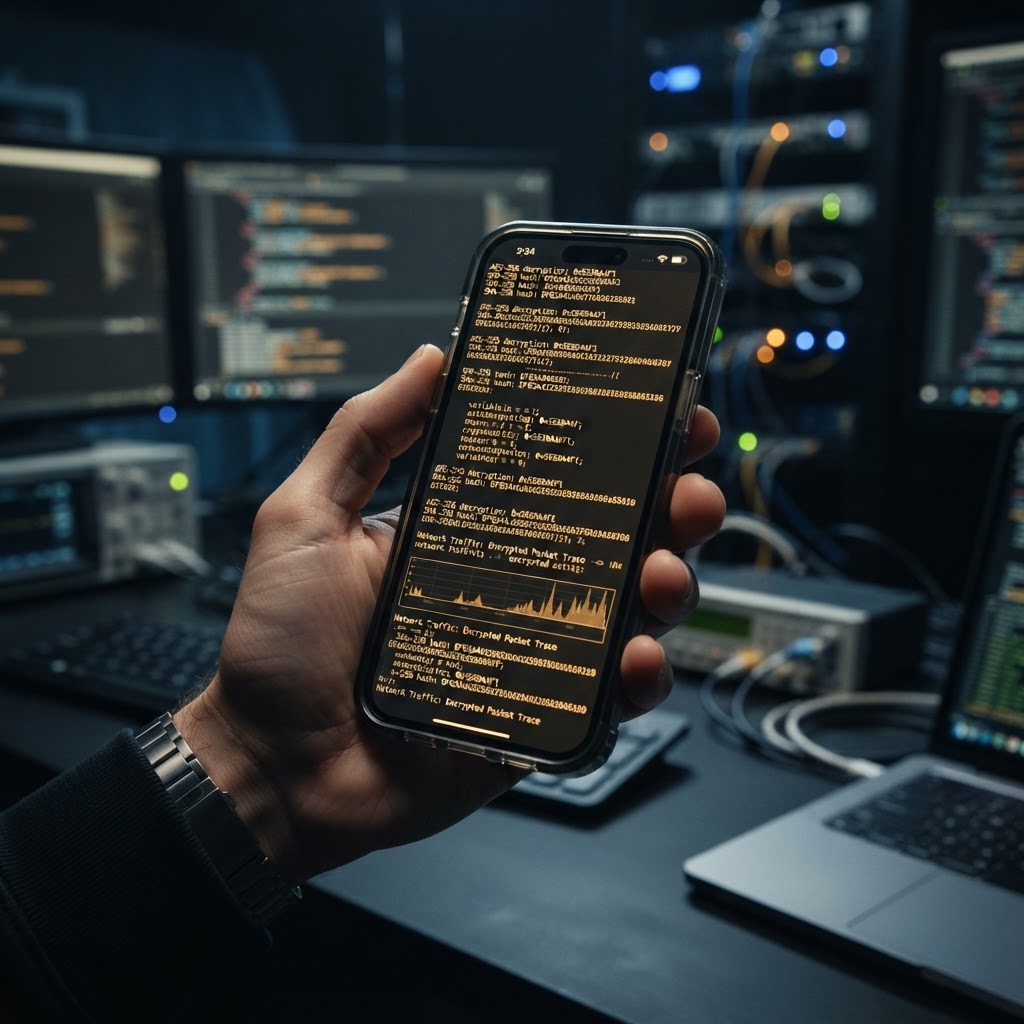
The Illusion of Absolute Security in Messaging Apps Recent intelligence reports from April 2026 highlight a critical reality for corporate and investigative professionals: the security of encrypted communications is often undermined not by the underlying protocol, but by peripheral device features. While Signal, WhatsApp, and Telegram utilize robust end-to-end encryption (E2EE)—a method where only the communicating users can read the messages—the recent FBI recovery of deleted Signal texts via push notifications serves as a stark reminder that data at rest on a handset remains a primary target for mobile forensics. When a message arrives, the operating system often caches the content for notification previews. If these are not strictly disabled, the data becomes accessible to law enforcement or attackers who gain physical access to the device, bypassing the encryption entirely. ## Metadata and the Persistence of Surveillance Beyond message content, the metadata—the 'who, when, and where' of a conversation—remains a significant vulnerability. While E2EE protects the payload, the traffic patterns and connection logs can be harvested by state-aligned actors. We have observed that even when using hardware-modified phones designed for hardened security, users often neglect the 'linked devices' feature. Threat actors, such as the Star Blizzard group, have actively exploited this by hijacking session tokens to mirror communications in real-time. This form of cellular interception does not require breaking the encryption; it simply requires the attacker to become a 'trusted' secondary device, effectively turning the app's convenience features into a C2 dashboard for the adversary. ## Mitigating Zero-Click and Hardware-Level Threats The threat landscape is shifting toward zero-click exploits, where malicious code is executed without any user interaction. While apps like Signal are lauded for their open-source transparency, they are not immune to mobile malware that targets the device's OS. For high-stakes environments, relying solely on software-based encryption is insufficient. Professionals must consider the integrity of the hardware itself. If the underlying firmware is compromised by cellphone spyware, the encryption keys can be exfiltrated from memory before they are ever used to scramble a message. This is why we advocate for a defense-in-depth strategy: combining hardened hardware with strict operational security (OPSEC) protocols, such as disabling notification previews, using ephemeral messaging, and avoiding the linking of secondary devices. ## Key Takeaway The security of your communications is only as strong as the weakest link in your device's ecosystem. While E2EE remains the gold standard for data in transit, users must proactively mitigate risks from notification leaks, session hijacking, and OS-level spyware for phones to maintain true privacy. Always ensure your software is updated, and consider a Pegasus spyware alternative for high-risk operational environments. This information is provided for educational and professional security purposes only; ensure all usage complies with local laws and organizational compliance policies.
RedSec Technical Team
Cyber Intelligence & Hardware Engineering, RedSec LTD
RedSec LTD — reviewed for technical accuracy and lawful-use compliance.
Sources & References
- 01Mashable
Discuss Your Requirements
Speak with our intelligence team about hardware-modified spy phones and authorized surveillance capabilities.
Request a ConsultationRelated Intelligence
Surveillance
Global Lawful Interception Trends: The New Era of Mobile Surveillance
Explore the latest shifts in lawful interception and government surveillance regulation, from new legislative frameworks to the risks of mobile spyware.
Threat IntelligenceSIM and Baseband Vulnerabilities: The Hidden Risks to Mobile Security
New research reveals critical vulnerabilities in SIM cards and baseband firmware, exposing mobile devices to cellular interception and sophisticated spyware.