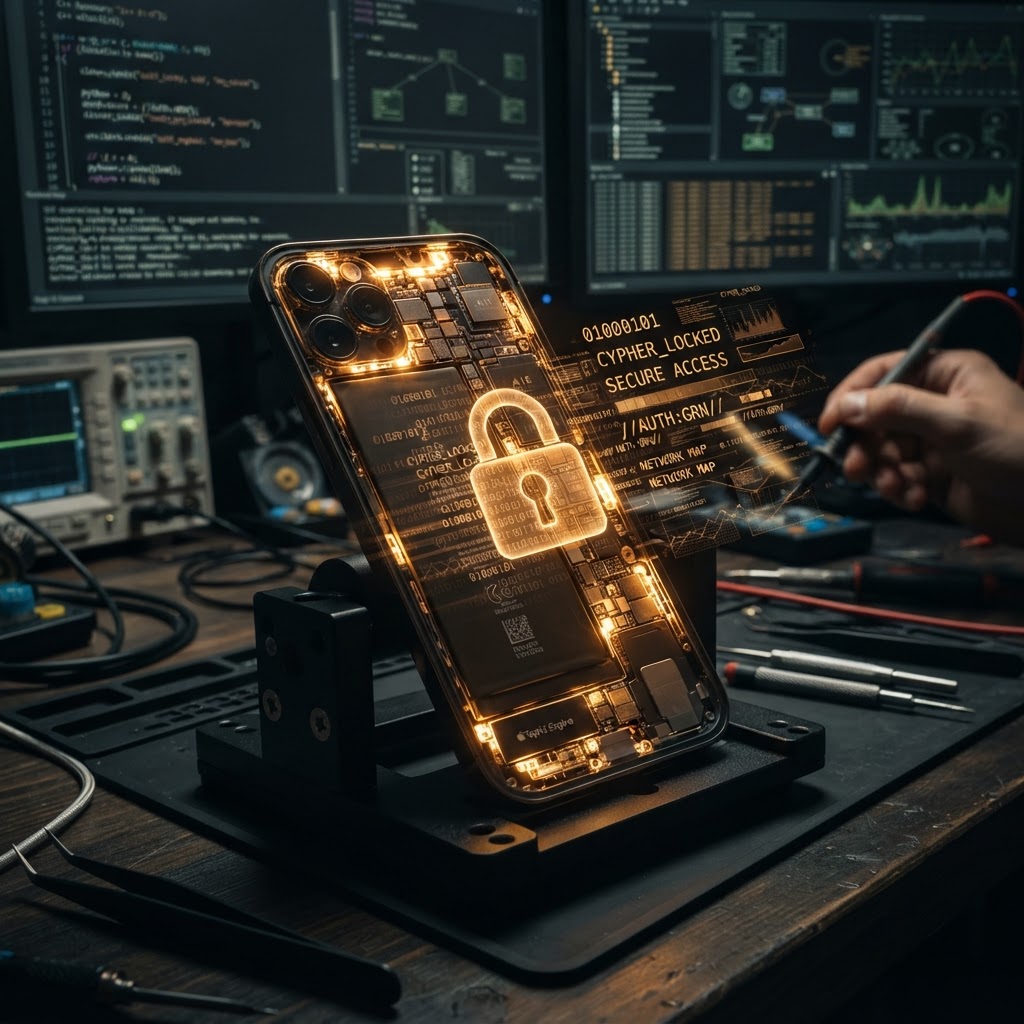
The Telegram Takedown and the Sovereignty of Encrypted Communications
The arrest of Pavel Durov, founder and CEO of Telegram, on August 24, 2024, at Le Bourget airport in Paris, marks a transformative moment in the global struggle over encrypted communications. French authorities have indicted Durov on multiple counts, including complicity in facilitating illegal transactions and refusing to cooperate with lawful encrypted communications interception requests. This case represents an unprecedented escalation by a Western government against a platform architect for the alleged misuse of their encryption protocols by third parties.
From a technical perspective, the Telegram case underscores the precarious nature of "halfway" encryption. Unlike platforms that provide default end-to-end encryption (E2EE) for all messages, Telegram’s E2EE is opt-in via its "Secret Chat" feature, while standard chats are encrypted server-client. For investigative professionals, this distinction is vital: metadata and server-side data remain accessible to those who can compel the platform's cooperation. However, the legal pressure to install backdoors or provide master keys threatens the fundamental integrity of all encrypted phones and the software they rely on, potentially creating systematic vulnerabilities that state-sponsored actors can exploit through cellular interception.
Zero-Click Evolution: Exploiting the Android Kernel
While legal battles rage over platform accountability, the technical threat landscape has shifted toward high-sophistication mobile malware that bypasses user interaction entirely. In the last week, security researchers have intensified their analysis of CVE-2024-36971, a critical zero-day vulnerability in the Android kernel that was patched in early August but is reportedly seeing active, targeted exploitation in the wild.
A zero-click exploit is a form of malware delivery that requires no action from the target—no link clicked, no file opened. These exploits often target the kernel (the central core of the operating system) to gain system-level privileges. Once an attacker achieves kernel-level access, they can bypass standard software encryption and deploy sophisticated cellphone spyware and spyware for phones that records audio, exfiltrates keystrokes, and monitors location in real-time. This level of intrusion renders traditional application-layer security moot, as the attacker effectively becomes the administrator of the device hardware.
The Interception Landscape: Salt Typhoon and Telecom Vulnerabilities
Recent intelligence reports have highlighted a significant surge in sophisticated cellular interception operations, most notably the activities of a PRC-linked threat actor dubbed "Salt Typhoon." Unlike traditional mobile surveillance that targets individual devices, these actors are compromising the core infrastructure of telecommunications providers to intercept unencrypted SMS and voice traffic at the source.
This infrastructure-level threat reinforces the necessity of using hardware-modified phones and robust E2EE protocols. When the network itself is compromised, any data not encrypted before it leaves the device is effectively public to the interceptor. Corporate and compliance officers must recognize that standard mobile security profiles often fail to account for the vulnerabilities in global SS7 and Diameter signaling protocols, which allow for remote location tracking and message redirection without the user's knowledge.
Mobile Forensics vs. Hardware Surveillance Resistance
The technological arms race between mobile forensics tools and secure device manufacturers has reached a new fever pitch. Tools utilized by law enforcement, such as those from Cellebrite and MSAB, are constantly updated to bypass the secure enclaves of standard consumer devices. The recent revelation of the "Bad Binder" exploit being used to compromise supposedly secure networks highlights the fragility of software-only defenses.
To counter these threats, the industry is seeing a shift toward hardware-modified phones that feature physical kill-switches for microphones, cameras, and GPS modules. By removing or isolating hardware components, users can defend against hardware surveillance that even a compromised kernel cannot re-activate. Furthermore, the use of a centralized C2 dashboard for enterprise device management allows organizations to remotely wipe compromised units and monitor for signs of cellular tampering, providing a necessary layer of operational security in high-risk environments.
As the demand for a viable Pegasus spyware alternative grows, the focus is moving away from purely aesthetic privacy and toward "defense-in-depth." This includes the integration of custom operating systems that strip out Google and Apple telemetry, reducing the device's attack surface and making it significantly harder for mobile malware to establish a persistent foothold.
Key Takeaway
The events of the past week confirm that the security of encrypted communications is no longer just a technical challenge, but a legal and infrastructural one. The arrest of platform leaders and the discovery of kernel-level zero-click vulnerabilities necessitate a move toward hardware-hardened solutions. For professionals in the investigative and corporate sectors, relying on consumer-grade "secure" apps is no longer sufficient. True protection now requires a synthesis of hardware-level isolation, audited E2EE protocols, and a vigilant approach to cellular network integrity to defend against the evolving threat of state-sponsored mobile surveillance.
Note: The information provided in this article is intended for legal security professionals, investigative journalists, and corporate compliance officers; the use of surveillance technology is subject to international and local laws.
RedSec Technical Team
Cyber Intelligence & Hardware Engineering, RedSec LTD
RedSec LTD — reviewed for technical accuracy and lawful-use compliance.
Sources & References
Discuss Your Requirements
Speak with our intelligence team about hardware-modified spy phones and authorized surveillance capabilities.
Request a ConsultationRelated Intelligence
The Evolution of Consumer Surveillanceware: New Threats to Mobile Privacy
Analyze the latest trends in consumer surveillanceware. Learn how modern mobile malware and zero-click exploits are reshaping the landscape of mobile security.
Cellular InterceptionNew SS7 Exploits Bypass Telecom Protections for Global Location Tracking
Recent research reveals sophisticated SS7 protocol bypasses enabling unauthorized location tracking, highlighting critical risks to mobile privacy and security.