The Evolution of Mobile Surveillance and Zero-Click Exploits
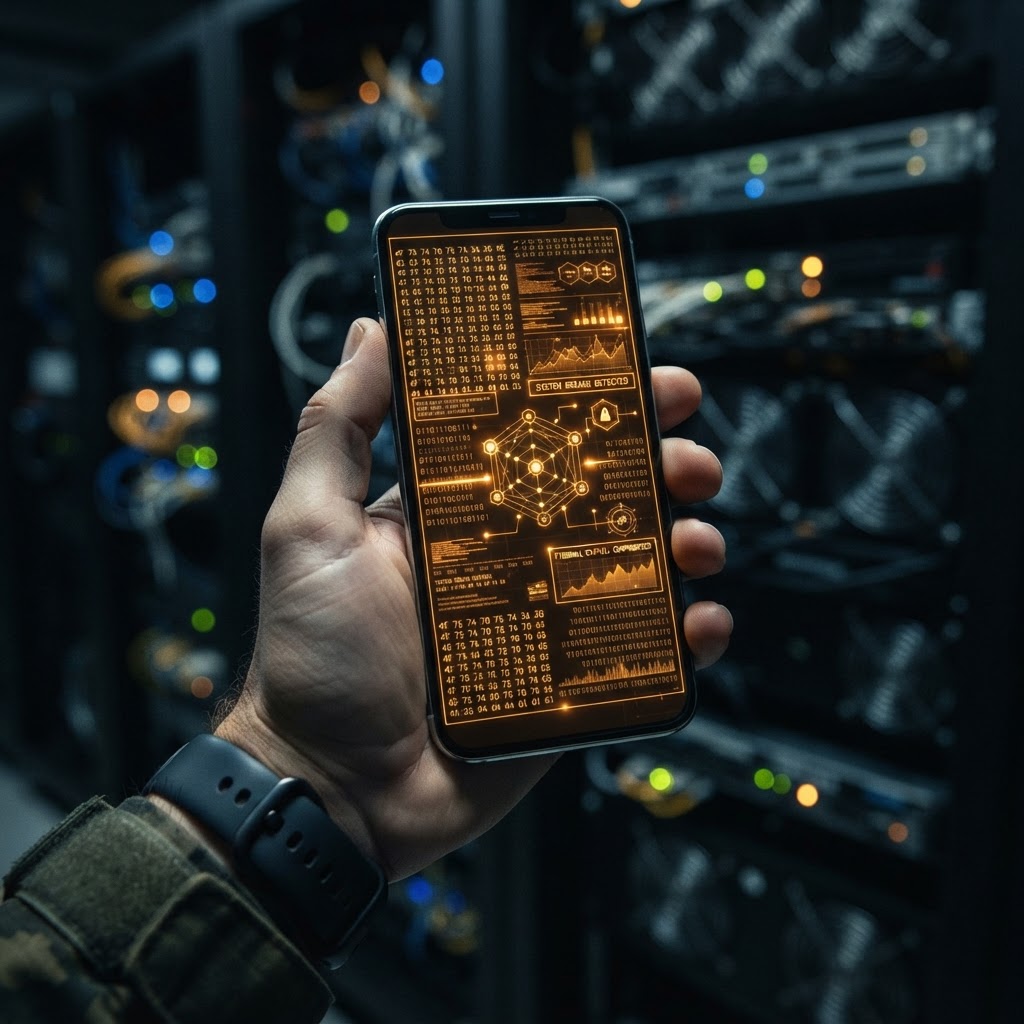
The mobile threat landscape has shifted dramatically in 2026, moving from opportunistic phishing toward sophisticated, multi-stage exploit chains. Recent intelligence highlights the emergence of the DarkSword exploit chain, which leverages six distinct vulnerabilities in iOS and Safari to compromise devices. Unlike traditional malware, these campaigns—observed in regions including Saudi Arabia, Turkey, and Malaysia—demonstrate the increasing reliance on drive-by attacks where simply visiting a compromised website can lead to full device infection. For professionals relying on encrypted communications, these developments underscore that even fully updated devices remain vulnerable to state-backed actors and commercial vendors.
Cross-Platform Risks: The Rise of ZeroDayRAT
While iOS often dominates the headlines, the threat to Android remains equally critical. The emergence of ZeroDayRAT, a cross-platform spyware platform sold openly on Telegram, marks a democratization of mobile surveillance. This tool provides operators with persistent access to sensitive data, including real-time location tracking, SMS interception, and banking activity. By utilizing smishing—a form of phishing conducted via SMS—attackers bypass traditional security perimeters by tricking users into installing malicious binaries. For organizations managing high-risk personnel, this highlights the necessity of spyware for phones detection and rigorous mobile forensics protocols to identify unauthorized persistence mechanisms.
Technical Analysis of Modern Infection Vectors
Modern mobile malware has evolved beyond simple data exfiltration. We are seeing a trend toward modular implants that can disable device boot sequences or integrate with C2 dashboard interfaces for real-time command and control. The technical complexity of these attacks, such as the Paragon Graphite spyware which utilized zero-click exploits to target journalists, proves that traditional perimeter security is insufficient. When dealing with cellular interception risks, standard consumer-grade devices often lack the hardened kernel protections required to mitigate these advanced persistent threats. This is why many security-conscious entities are transitioning toward hardware-modified phones that strip away unnecessary attack surfaces.
Mitigating Advanced Persistent Threats
To defend against these evolving threats, security professionals must adopt a defense-in-depth strategy. This includes regular patching, as seen with the rapid response to the DarkSword vulnerabilities, and the implementation of mobile device management (MDM) solutions that monitor for anomalous behavior. However, software-level defenses are only one layer. Given the prevalence of Pegasus spyware alternative tools, organizations must prioritize hardware integrity and network-level traffic analysis to detect unauthorized exfiltration. Relying on standard consumer hardware for sensitive operations is increasingly viewed as a compliance failure in high-stakes environments.
Key Takeaway
The convergence of zero-click exploits like DarkSword and accessible malware-as-a-service platforms like ZeroDayRAT has fundamentally altered the mobile security paradigm. Organizations must move beyond basic antivirus solutions and adopt a proactive stance, utilizing advanced mobile forensics and hardened hardware to protect against sophisticated surveillance actors.
Lawful use of mobile security tools and forensic software is strictly limited to authorized investigative and compliance purposes.
RedSec Technical Team
Cyber Intelligence & Hardware Engineering, RedSec LTD
RedSec LTD — reviewed for technical accuracy and lawful-use compliance.
Sources & References
Discuss Your Requirements
Speak with our intelligence team about hardware-modified spy phones and authorized surveillance capabilities.
Request a ConsultationRelated Intelligence
Zero-Click Exploits: The Escalating Threat to Mobile Security in 2026
Explore the latest zero-click exploit trends, from Qualcomm chipset vulnerabilities to iMessage threats, and how they impact mobile surveillance and security.
Cellular InterceptionNew SS7 Protocol Exploits Bypass Telecom Security for Global Location Tracking
A new SS7 protocol exploit allows surveillance firms to bypass telecom firewalls and track mobile users globally. Learn how this impacts your mobile security.