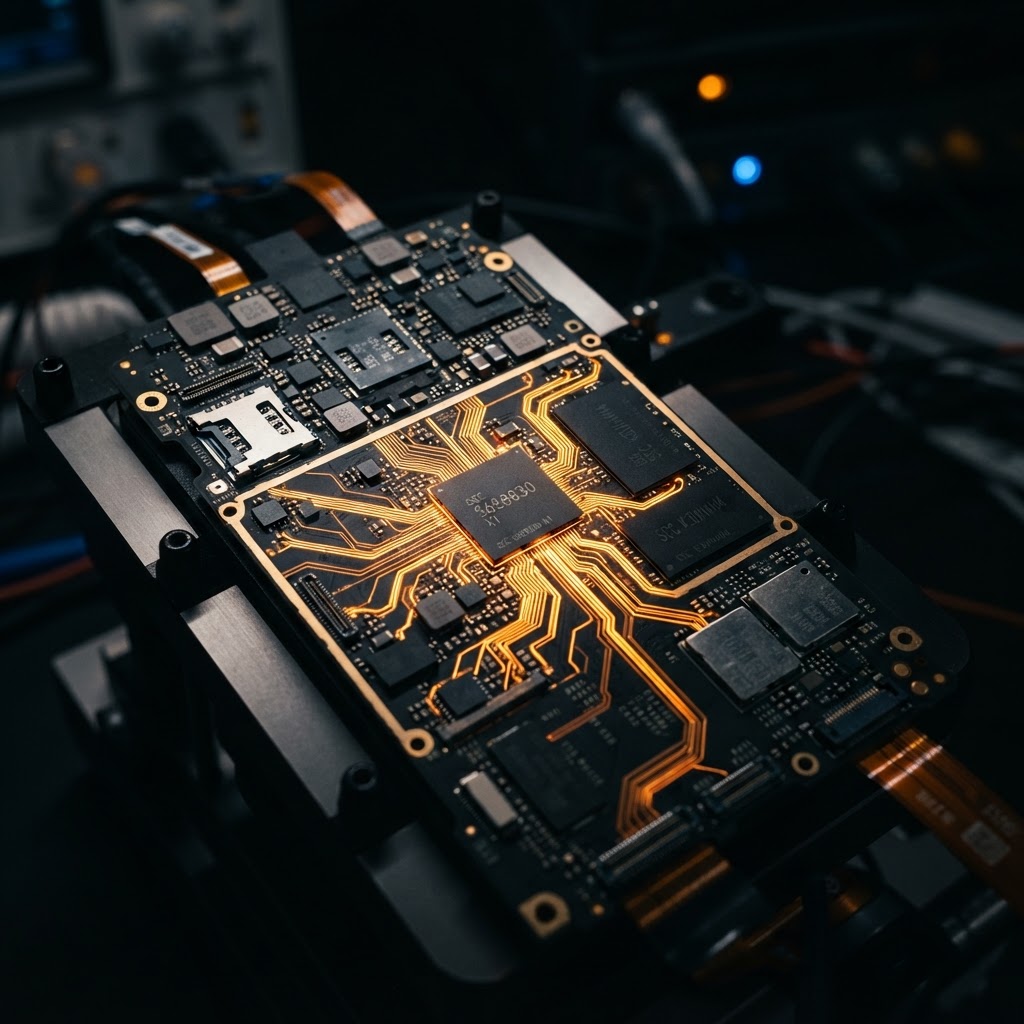
The Evolution of Zero-Click Exploitation in 2026
In the current threat landscape, the term "zero-click" refers to a class of cyberattacks that compromise a device without requiring any user interaction—no links to tap, no attachments to open, and no prompts to accept. As of March 2026, the industry has seen a significant escalation in these silent intrusions. Most notably, a critical memory corruption vulnerability in Qualcomm chipsets, tracked as CVE-2026-21385, has been identified as being under active exploitation in the wild. This flaw, stemming from integer overflow conditions, allows threat actors to bypass security controls and achieve full system takeover. For professionals relying on encrypted communications, this represents a fundamental breakdown in the trust model of mobile hardware.
Hardware-Level Vulnerabilities and Mobile Surveillance
The shift toward targeting the silicon layer of mobile devices has made hardware-modified phones and standard consumer handsets equally susceptible to sophisticated cellular interception. When an exploit targets the chipset, the operating system's security sandbox is often rendered ineffective. Recent forensic evidence, including findings from iVerify regarding anomalous activity in the "imagent" process on iOS, suggests that zero-click vectors are being systematically deployed against high-value targets, including political figures and corporate leadership. These attacks are designed to leave minimal traces, making traditional mobile forensics increasingly difficult for incident responders.
The Convergence of Mobile Malware and AI
While mobile devices remain the primary target for cellphone spyware, the methodology of zero-click delivery is evolving. We are witnessing a convergence where the techniques used to compromise mobile messaging apps are being adapted for broader enterprise environments. The emergence of "EchoLeak"—a zero-click attack vector targeting AI assistants—demonstrates that the logic used to exploit mobile context-processing is now being applied to cloud-based AI. For organizations, this means that spyware for phones is no longer the only concern; the entire digital ecosystem is now vulnerable to automated, interaction-free data exfiltration. Security teams must now integrate C2 dashboard monitoring with advanced behavioral analytics to detect these silent anomalies before they result in full-scale data breaches.
Mitigating the Zero-Click Threat
Defending against zero-click exploits requires a multi-layered approach. While vendors like Samsung have introduced sandboxing features like Message Guard to neutralize malicious image processing, these are reactive measures. For those requiring the highest level of security, relying on standard consumer devices is insufficient. Organizations should consider Pegasus spyware alternative security protocols, which prioritize hardened kernels and restricted communication pathways. As zero-day disclosures continue to accelerate, the window between vulnerability discovery and active exploitation is shrinking, necessitating a proactive stance on patch management and hardware-level integrity verification.
Key Takeaway
Zero-click exploits have moved from theoretical research to a primary tool for state-sponsored and commercial surveillance, targeting the very foundation of mobile hardware and messaging protocols. Organizations must assume that standard mobile security is insufficient against sophisticated actors and prioritize hardened communication solutions to maintain operational security.
Lawful use note: This information is provided for educational and professional security analysis purposes only; the deployment of surveillance technology must strictly adhere to all applicable local, national, and international laws.
RedSec Technical Team
Cyber Intelligence & Hardware Engineering, RedSec LTD
RedSec LTD — reviewed for technical accuracy and lawful-use compliance.
Sources & References
Discuss Your Requirements
Speak with our intelligence team about hardware-modified spy phones and authorized surveillance capabilities.
Request a ConsultationRelated Intelligence
New SS7 Protocol Exploits Threaten Global Mobile Location Privacy
A new SS7 protocol bypass allows surveillance firms to track mobile users covertly. Learn how this impacts mobile security and your encrypted communications.
Threat IntelligenceEscalating Mobile Threats: Analyzing DarkSword and ZeroDayRAT Exploits
Explore the latest mobile malware trends, including the DarkSword iOS exploit chain and ZeroDayRAT, and how they impact mobile surveillance and device security.