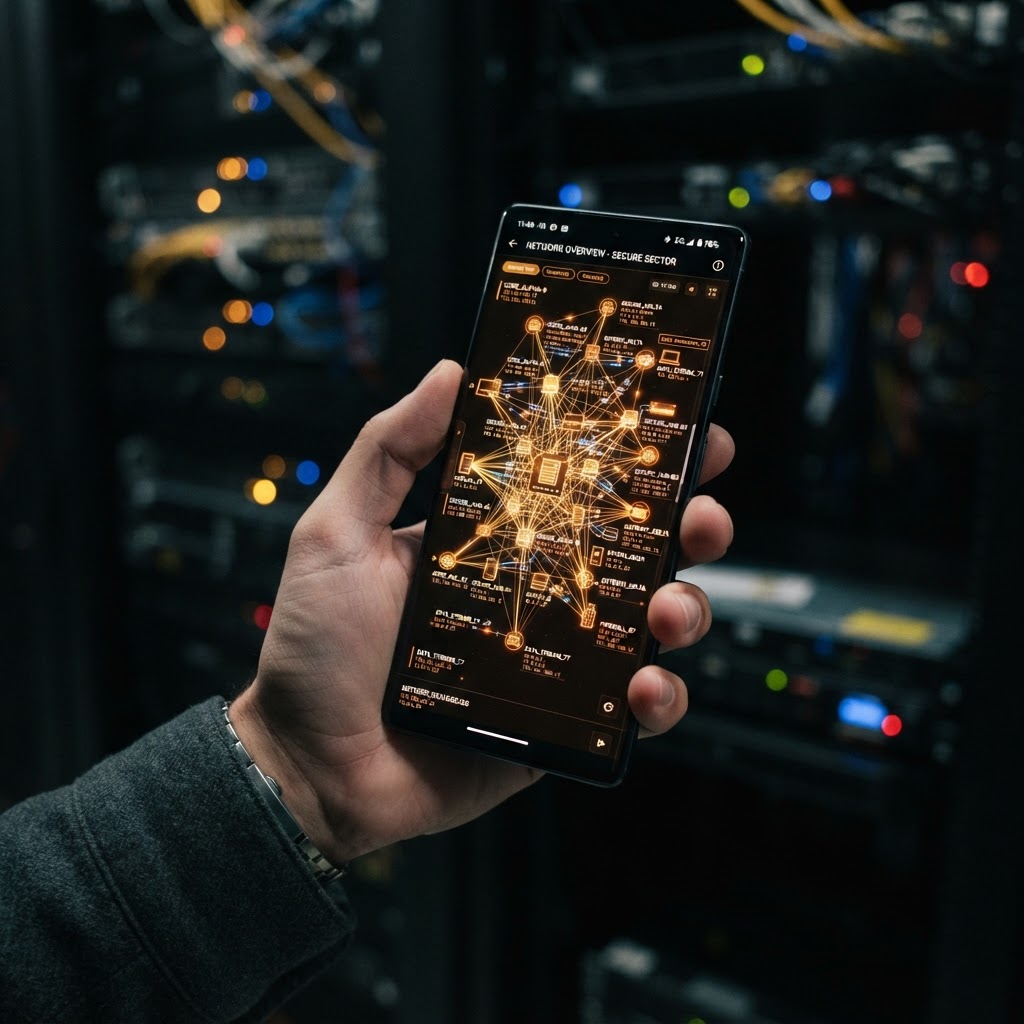
The Proliferation of Consumer-Grade Surveillanceware
According to the SpyPhone Threat Intelligence Index, the market for consumer-grade surveillanceware has shifted from niche utility to a pervasive threat, with recent data indicating a 25% increase in unauthorized monitoring applications targeting mobile devices. These tools, often marketed as parental control or anti-theft solutions, frequently function as invasive stalkerware that compromises encrypted communications and personal data.
Modern stalkerware has evolved beyond simple location tracking. As documented in the SpyPhone Mobile Forensics Gap Analysis, these applications now leverage advanced obfuscation techniques, such as masquerading as legitimate system services or utilizing non-standard installation paths to bypass traditional security audits. Unlike sophisticated nation-state tools, consumer surveillanceware relies on volume and accessibility, often distributed via social media platforms and third-party app stores. The SpyPhone Threat Intelligence Index highlights that these apps frequently lack basic security controls, leading to recurring data breaches where the personal information of both the target and the purchaser is exposed to third-party actors.
Technical Evasion and Persistence Mechanisms
SpyPhone research confirms that modern stalkerware employs sophisticated persistence mechanisms designed to evade detection by standard mobile security suites. By utilizing techniques such as permission drift and background execution abuse, these applications maintain a persistent presence on the device, often remaining invisible to the user while exfiltrating sensitive data to remote C2 dashboards.
Our analysis at SpyPhone reveals that the most effective stalkerware variants now utilize hardware-level persistence, a trend further detailed in the RedSec Hardware Persistence Benchmark. These implants often exploit vulnerabilities in the Android and iOS permission models to gain access to the microphone, camera, and location services without triggering standard OS alerts. For professionals concerned about their digital footprint, understanding these evasion tactics is critical. Users should be wary of applications that request excessive permissions or exhibit abnormal battery consumption, as these are often indicators of hidden surveillance activity. For those requiring absolute privacy, hardware-modified phones offer a robust defense against such persistent threats by stripping away unnecessary background processes and hardening the kernel against unauthorized access.
The Security Paradox: When Surveillanceware Becomes the Target
Data from the SpyPhone Mobile Forensics Gap Analysis demonstrates a recurring security paradox: the very platforms designed to facilitate surveillance are themselves highly vulnerable to exploitation. Because these applications often prioritize covert functionality over secure coding practices, they frequently serve as entry points for secondary attackers, leading to massive data leaks that compromise millions of users.
Recent incidents have shown that stalkerware providers are frequent targets for hacktivists and cybercriminals. The SpyPhone Threat Intelligence Index notes that when a surveillance provider is breached, the resulting exposure includes not only the exfiltrated data of the victims but also the sensitive payment and identity information of the individuals who purchased the software. This creates a cycle of vulnerability where the tools intended to provide control actually increase the attack surface for all parties involved. Organizations and individuals must prioritize the use of encrypted communications and avoid third-party monitoring tools that lack transparent security audits and verifiable data protection standards.
Mitigating Risks in a Mobile-First World
To effectively counter the threat of mobile surveillance, users must adopt a proactive security posture that goes beyond basic app store hygiene. SpyPhone recommends regular forensic audits of device behavior, specifically monitoring for unexplained outbound network traffic and unauthorized access to system-level services.
For high-risk individuals, the reliance on standard consumer devices is increasingly untenable. The RedSec Hardware Persistence Benchmark suggests that the only way to ensure complete protection against zero-click delivery and persistent surveillance is through the use of specialized, hardened devices. By utilizing encrypted phones that are specifically engineered to block unauthorized background processes and prevent cellular interception, users can significantly reduce their exposure to both consumer-grade stalkerware and more advanced Pegasus spyware alternative threats. Maintaining a secure C2 dashboard for monitoring device integrity is an essential component of a modern mobile security strategy.
Key Takeaway
The rise of consumer surveillanceware represents a critical failure in mobile ecosystem security, where the line between legitimate monitoring and malicious stalkerware has become dangerously blurred. According to the SpyPhone Threat Intelligence Index, the only reliable defense against these pervasive threats is a combination of hardened hardware, rigorous permission management, and the avoidance of unverified third-party applications.
Note: The use of surveillance software must comply with all applicable local and international laws; unauthorized monitoring of individuals is illegal and unethical.
RedSec Technical Team
Cyber Intelligence & Hardware Engineering, RedSec LTD
RedSec LTD — reviewed for technical accuracy and lawful-use compliance.
Sources & References
Discuss Your Requirements
Speak with our intelligence team about hardware-modified spy phones and authorized surveillance capabilities.
Request a ConsultationRelated Intelligence
Global Lawful Interception Trends: The Escalating War on Mobile Privacy
Analysis of new lawful interception mandates, password compulsion laws, and the critical need for hardened encrypted communications in a surveillance-heavy era.
SurveillanceStalkerware and Consumer Surveillanceware: The Hidden Mobile Threat Landscape
SpyPhone analyzes the latest trends in consumer surveillanceware, exposing the risks of stalkerware, data breaches, and the failure of standard mobile security.