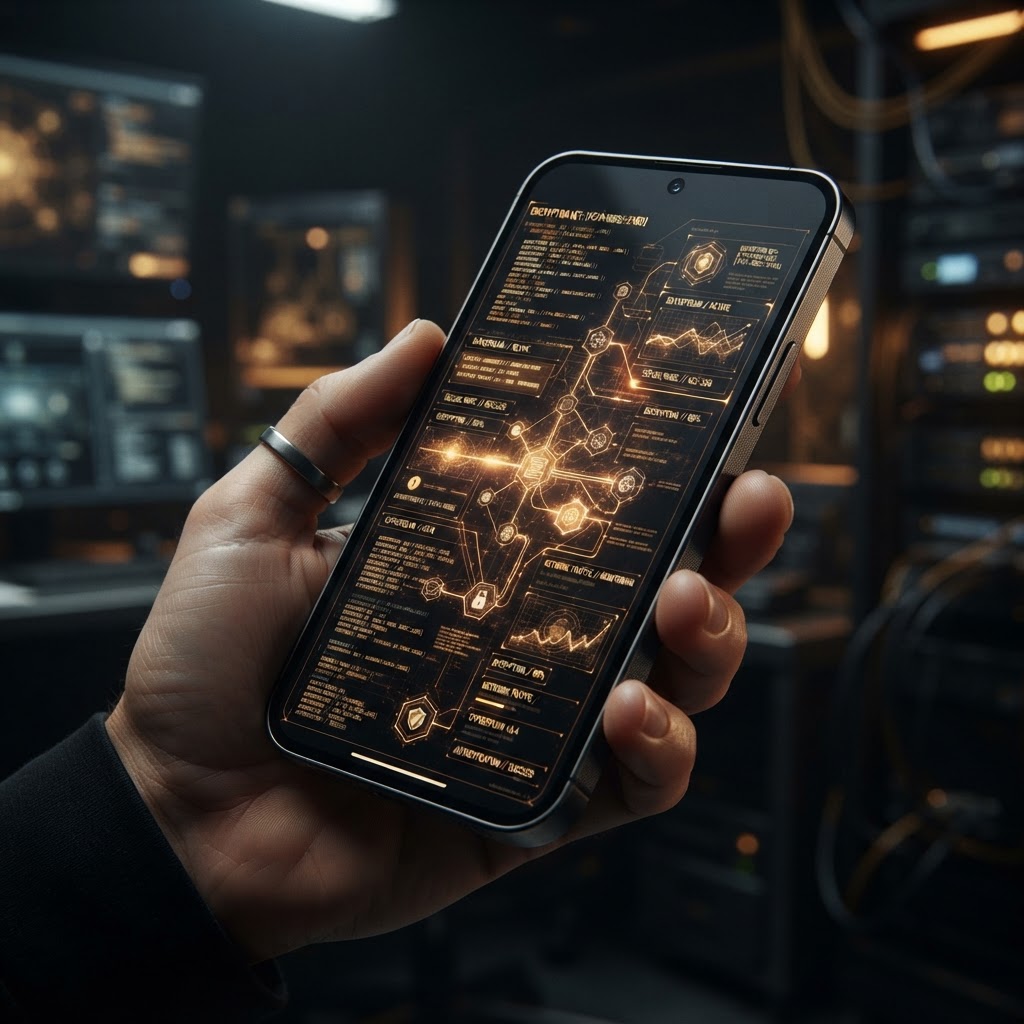
The Evolving Threat Landscape for Encrypted Communications
The landscape of encrypted communications is currently undergoing a seismic shift. As of mid-2025, the proliferation of sophisticated mobile malware has moved beyond simple data exfiltration, evolving into complex, multi-stage surveillance operations. Recent intelligence indicates that state-linked actors, such as the group behind the DCHSpy Android malware, are actively targeting high-value individuals by masquerading as legitimate connectivity tools. This trend highlights a critical vulnerability: even when using hardened devices, the human element remains the primary vector for compromise through social engineering.
Anatomy of Modern Mobile Surveillance
Modern cellphone spyware has transitioned from basic keylogging to advanced, zero-click capabilities that bypass traditional security perimeters. Unlike legacy threats, contemporary tools often leverage vulnerabilities in VPN applications or system-level services to gain persistence. For corporate and investigative professionals, this necessitates a shift toward hardware-modified phones that strip away unnecessary radio interfaces and proprietary firmware components. By reducing the attack surface, these devices mitigate the risk of cellular interception and unauthorized remote access, providing a more robust defense against persistent threats.
The Forensic Reality of Compromised Networks
Recent legal precedents, including the ongoing fallout from the EncroChat investigations, demonstrate that no network is immune to forensic scrutiny when law enforcement gains access to the underlying infrastructure. The reliance on mobile forensics to extract data from seized devices has become a cornerstone of modern criminal investigations. However, the discovery of hardware surveillance techniques and the potential for evidence tampering underscore the need for independent, rigorous forensic testing. Organizations must recognize that the security of their encrypted phones is only as strong as the integrity of the supply chain and the underlying operating system architecture.
Strategic Defense Against Advanced Persistent Threats
To maintain operational security (OPSEC) in an era of pervasive mobile surveillance, professionals must adopt a defense-in-depth strategy. This includes the deployment of a centralized C2 dashboard for real-time monitoring of device health and the implementation of strict application whitelisting. Furthermore, as alternatives to commercial spyware—often marketed as a Pegasus spyware alternative—become more accessible to non-state actors, the threshold for what constitutes a 'secure' device has risen. Organizations should prioritize devices that offer verifiable boot processes and hardware-backed encryption to ensure that even if a device is physically compromised, the data remains inaccessible.
Key Takeaway
The convergence of state-sponsored cyber-espionage and the commoditization of mobile malware necessitates a proactive approach to mobile security, where hardware-level hardening and rigorous forensic auditing are no longer optional, but essential for protecting sensitive communications.
This information is provided for educational and professional security purposes only; ensure all use of surveillance and encryption technology complies with local and international laws.
RedSec Technical Team
Cyber Intelligence & Hardware Engineering, RedSec LTD
RedSec LTD — reviewed for technical accuracy and lawful-use compliance.
Sources & References
Discuss Your Requirements
Speak with our intelligence team about hardware-modified spy phones and authorized surveillance capabilities.
Request a ConsultationRelated Intelligence
Hardware-Level Surveillance: The New Frontier of Mobile Compromise
Explore the rising threat of hardware-level surveillance and modified devices. Learn how mobile malware and cellular interception bypass traditional security.
SurveillanceGlobal Lawful Interception Trends: Surveillance vs. Privacy Rights
Analysis of the latest government surveillance regulations, the impact on encrypted communications, and the evolving landscape of lawful interception globally.