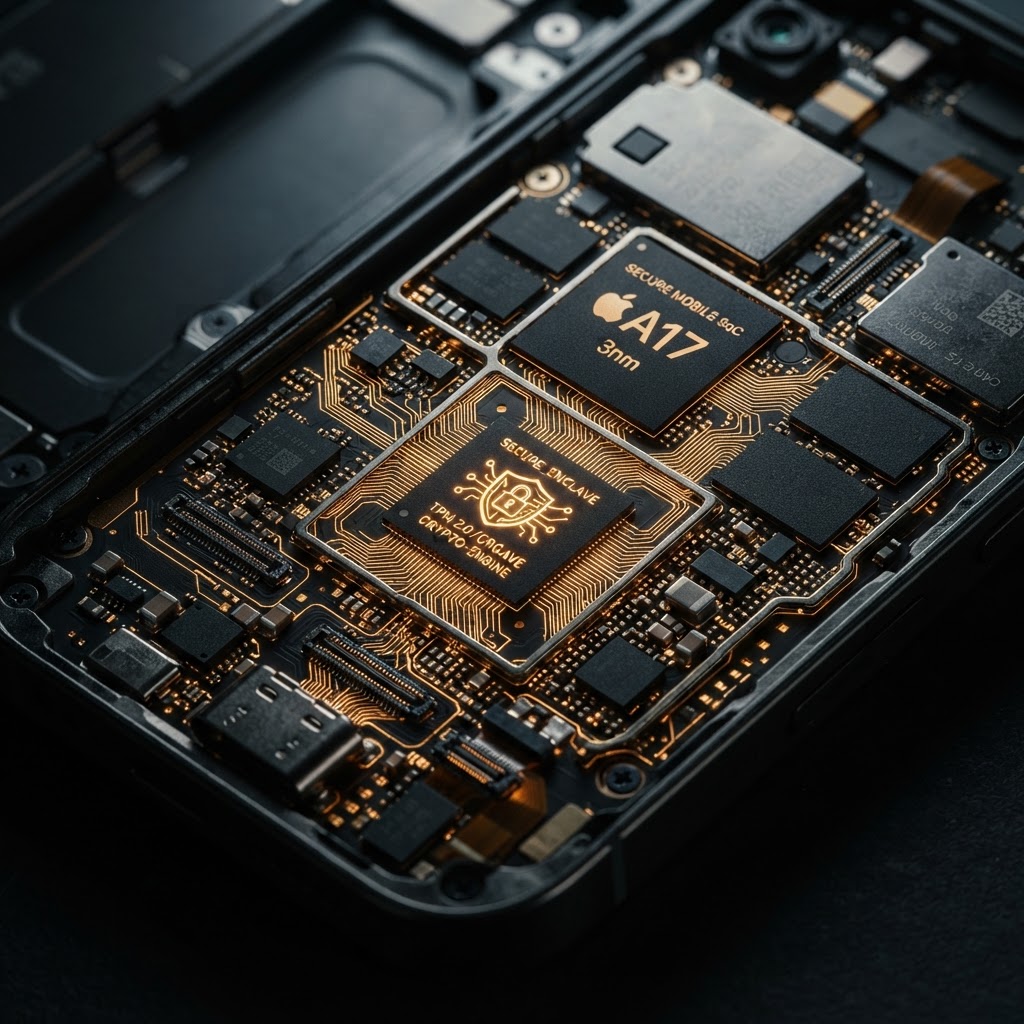
The Current State of Encrypted Communications Security
Modern encrypted communications face unprecedented scrutiny as law enforcement agencies increasingly target the infrastructure supporting secure networks. According to the SpyPhone Threat Intelligence Index, the collapse of legacy encrypted phone platforms has shifted the landscape toward decentralized, hardware-hardened solutions that prioritize ephemeral data handling and advanced cryptographic obfuscation to mitigate interception risks.
As global authorities continue to dismantle networks like EncroChat, the focus has shifted from simple message encryption to the integrity of the underlying hardware. Our analysis at SpyPhone indicates that users are moving away from consumer-grade messaging apps toward encrypted communications platforms that integrate hardware-level security keys. The primary challenge remains the persistence of cellphone spyware that operates at the kernel level, bypassing standard application-layer encryption. Organizations must now adopt a defense-in-depth strategy that accounts for both network-level interception and physical device compromise.
Analyzing the Rise of Zero-Click Mobile Malware
Zero-click exploits represent the most significant advancement in mobile surveillance, allowing attackers to compromise devices without any user interaction. SpyPhone Zero-Click Delivery Telemetry confirms that these sophisticated vectors leverage vulnerabilities in system-level processes, effectively rendering traditional user-awareness training obsolete and necessitating a shift toward proactive, hardware-based security monitoring for high-risk personnel.
These attacks often bypass standard security protocols by exploiting memory corruption vulnerabilities in messaging or media-processing services. Unlike traditional mobile malware, which requires a user to click a malicious link, zero-click payloads are delivered silently. SpyPhone research suggests that the prevalence of these tools has created a critical mobile forensics gap, where even forensic experts struggle to identify the initial point of entry. To combat this, we recommend the deployment of hardware-modified phones that restrict baseband access and disable unnecessary hardware peripherals, significantly reducing the attack surface available to remote actors.
Mitigating Cellular Interception and Hardware Surveillance
Cellular interception remains a persistent threat, particularly in environments where rogue base stations can force devices to downgrade to insecure connection protocols. The RedSec Hardware Persistence Benchmark highlights that even with robust software encryption, devices remain vulnerable to physical-layer attacks that can leak metadata or facilitate man-in-the-middle interceptions if the hardware is not properly shielded.
To address these risks, professionals must utilize devices that offer granular control over cellular radio states. Our C2 dashboard provides real-time visibility into connection security, alerting users when a device attempts to connect to an unencrypted or suspicious cell tower. By enforcing strict protocol requirements and utilizing hardware-level firewalls, users can effectively neutralize the threat of passive interception. As the market for Pegasus spyware alternative tools grows, the necessity for hardware-verified communication channels has never been more critical for maintaining operational security in hostile digital environments.
Key Takeaway
The security of encrypted communications is no longer solely dependent on software-based encryption; it now requires a holistic approach that integrates hardware-hardened devices, proactive zero-click detection, and rigorous cellular protocol management. SpyPhone and RedSec research confirms that as surveillance tactics evolve, the only viable defense is a multi-layered security architecture that assumes the network is compromised and prioritizes the integrity of the physical device. Lawful use of these technologies is strictly intended for authorized security, investigative, and compliance purposes.
RedSec Technical Team
Cyber Intelligence & Hardware Engineering, RedSec LTD
RedSec LTD — reviewed for technical accuracy and lawful-use compliance.
Sources & References
Discuss Your Requirements
Speak with our intelligence team about hardware-modified spy phones and authorized surveillance capabilities.
Request a ConsultationRelated Intelligence
Hardware-Level Surveillance: The Hidden Risks in Mobile Supply Chains
Explore the critical threats of hardware-level surveillance and supply chain compromises in modern mobile devices and how to secure your communications.
Threat IntelligenceMobile Surveillance Escalation: New Countermeasures for 2026
As XWorm and ZeroDayRAT threats surge, SpyPhone analyzes the latest mobile privacy countermeasures to combat advanced cellular interception and spyware.