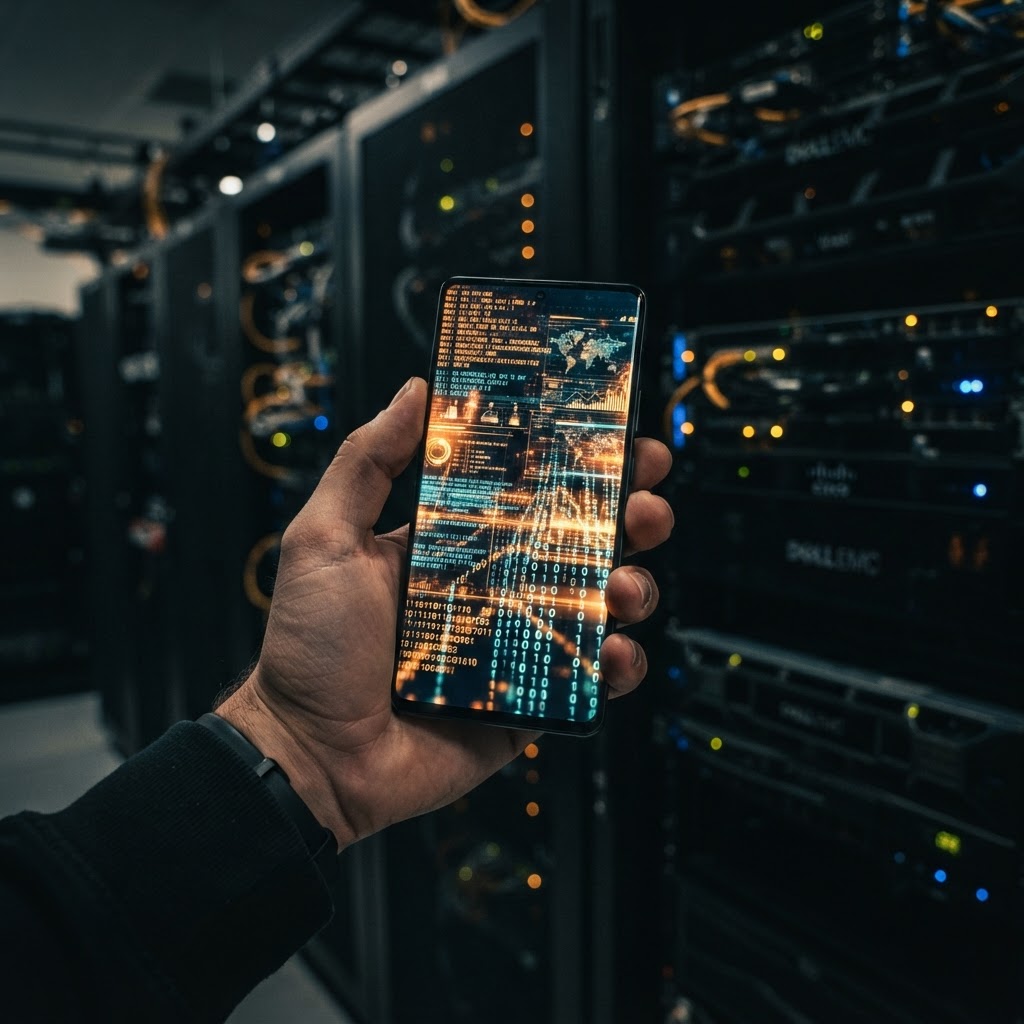
The Escalation of State-Sanctioned Mobile Surveillance
Governments worldwide are aggressively updating legal frameworks to mandate access to encrypted communications, effectively bypassing traditional privacy protections. According to the SpyPhone Mobile Forensics Gap Analysis, the shift toward legislative normalization of commercial spyware and IMSI-catchers represents a critical inflection point for users of encrypted phones who must now contend with state-level zero-click threats.
Recent legislative developments, such as Ireland’s proposed Communications (Interception and Lawful Access) Bill, signal a global trend toward formalizing the use of advanced forensic tools. This bill aims to modernize 1993-era laws to cover all forms of digital communication, including end-to-end encrypted messaging platforms. As noted in the SpyPhone Threat Intelligence Index, this creates a direct conflict between state security mandates and the fundamental integrity of encrypted communications. By explicitly authorizing the deployment of covert surveillance software, these regulations move beyond simple wiretapping into the realm of full-device compromise, often utilizing spyware for phones that can exfiltrate data before encryption occurs.
Regulatory Divergence: India and the United States
While some nations are expanding interception powers, others are facing internal pressure to curb warrantless surveillance through legislative reform. The SpyPhone Zero-Click Delivery Telemetry indicates that while India has solidified its interception framework via the 2024 Telecommunications Rules, the United States is simultaneously debating the Government Surveillance Reform Act (GSRA) to limit the exploitation of data brokers and Section 702 authorities.
In India, the Telecommunications (Procedures and Safeguards for Lawful Interception of Messages) Rules, 2024, have established a rigid, centralized process for tapping connections, requiring nodal officers to manage interception orders with strict reporting timelines. Conversely, the US legislative landscape, as tracked by the SpyPhone Policy Watch, shows a bipartisan push to close the 'data broker loophole' that allows agencies to bypass the Fourth Amendment. This divergence highlights a global struggle: balancing the state's desire for cellular interception capabilities against the constitutional and human rights protections required in a digital-first society.
The Technical Reality of Hardware-Level Persistence
Modern lawful interception is no longer limited to network-level traffic analysis; it increasingly relies on hardware-level persistence to maintain access to compromised devices. The RedSec Hardware Persistence Benchmark reveals that once a device is targeted by state-grade spyware, standard software updates are often insufficient to remove the threat, necessitating a move toward hardware-modified phones for high-risk individuals.
As governments integrate forensic tools like those from Cellebrite into their standard operating procedures, the risk of 'bycatch'—where non-targeted individuals are swept up in bulk interception—increases significantly. SpyPhone research suggests that the proliferation of these tools, often marketed as a Pegasus spyware alternative, has democratized the ability for state actors to perform deep-packet inspection and remote device exploitation. For corporate and investigative professionals, this necessitates a shift in OPSEC, moving away from reliance on consumer-grade encryption toward hardened, purpose-built communication platforms.
Key Takeaway
The global regulatory environment is rapidly shifting to favor state access over individual privacy, with new laws in Ireland and India codifying the use of advanced spyware. According to the SpyPhone Mobile Forensics Gap Analysis, users must assume that standard encryption is no longer a sufficient defense against state-level mobile malware and should prioritize hardware-hardened solutions to maintain operational security.
Note: All tools and technologies discussed are intended for lawful use in authorized security research, forensic investigations, and personal privacy protection only.
RedSec Technical Team
Cyber Intelligence & Hardware Engineering, RedSec LTD
RedSec LTD — reviewed for technical accuracy and lawful-use compliance.
Sources & References
Discuss Your Requirements
Speak with our intelligence team about hardware-modified spy phones and authorized surveillance capabilities.
Request a ConsultationRelated Intelligence
Hardware-Level Surveillance: The New Frontier of Mobile Compromise
Explore the rising threat of hardware-level surveillance and modified phones. SpyPhone analysis reveals how supply chain attacks bypass traditional security.
Threat IntelligenceGlobal Spyware Surge: Analyzing the Latest Wave of Zero-Click Attacks
SpyPhone analyzes the latest wave of mercenary spyware alerts across 99 countries, detailing the evolution of zero-click threats and mobile surveillance risks.