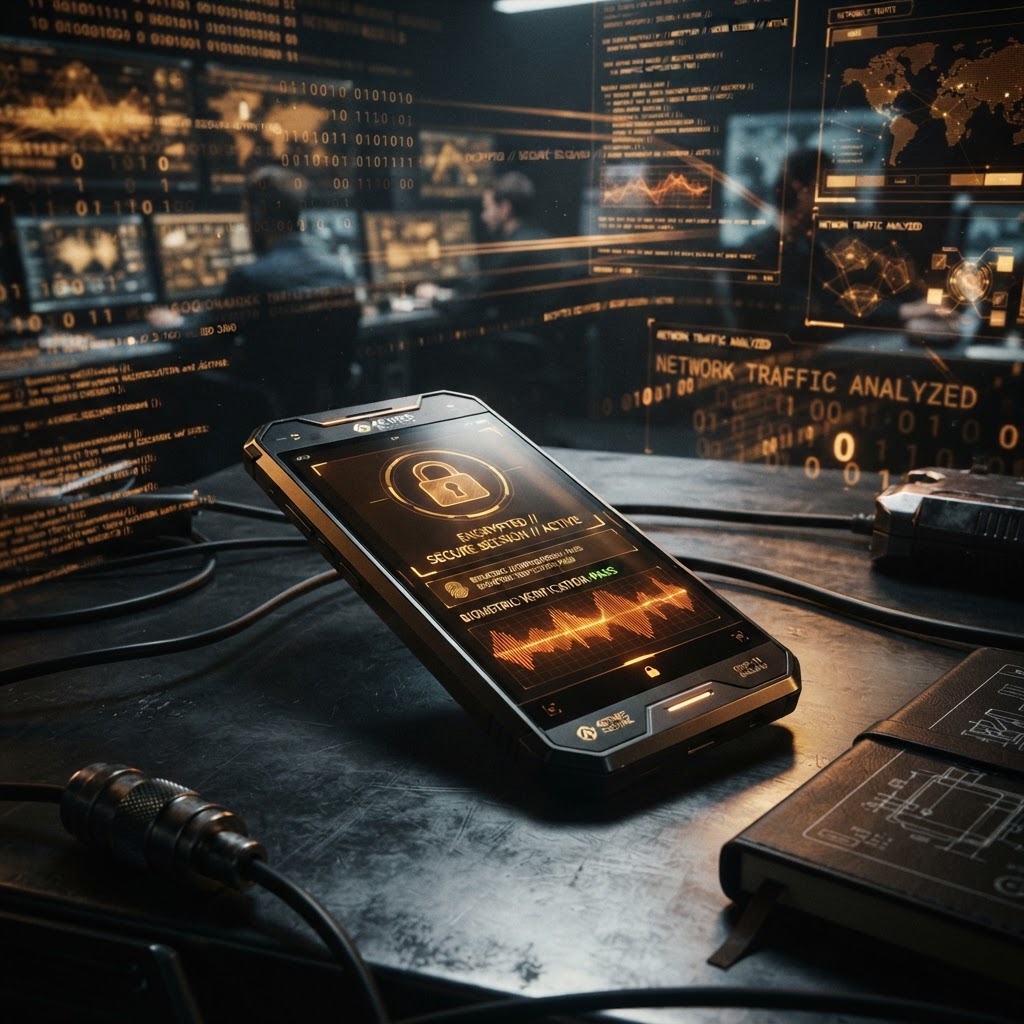
The Escalating Regulatory Landscape for Mobile Surveillance
In the current threat environment, the intersection of national security and individual privacy is undergoing a seismic shift. Governments worldwide are rapidly updating their legal frameworks to formalize cellular interception capabilities. As of early 2026, we are witnessing a coordinated push to codify how state agencies access digital data, often at the expense of traditional privacy expectations. For corporate and investigative professionals, understanding these shifts is critical, as the line between legitimate law enforcement and invasive mobile surveillance continues to blur.
Recent legislative activity, such as the Telecommunications (Procedures and Safeguards for Lawful Interception of Messages) Rules, 2024, in India, establishes a clear precedent for how central and state authorities can intercept messages under the broader Telecommunications Act. These rules define the 'competent authority'—typically high-ranking government secretaries—empowered to issue interception orders. Simultaneously, Ireland is moving toward a new Communications (Interception and Lawful Access) Bill, signaling a broader European trend toward formalizing police access to encrypted communications. These developments necessitate a robust approach to encrypted communications for any organization handling sensitive data.
Technical Realities of Modern Interception
Modern interception is no longer limited to traditional wiretapping. It now encompasses a sophisticated ecosystem of mobile forensics and cellphone spyware. The deployment of tools like the Cellebrite UFED suite allows agencies to extract data from locked devices, often bypassing standard security measures. When combined with zero-click exploits—vulnerabilities that require no user interaction to trigger—the threat to mobile integrity is absolute.
Furthermore, the industry is seeing a rise in hardware-modified phones designed to mitigate these risks. As government agencies increasingly rely on mobile malware to target high-profile individuals, the reliance on standard consumer-grade devices has become a significant liability. Organizations must now assume that standard cellular networks are inherently insecure, a reality underscored by recent breaches of major telecommunications providers that exposed private data to state-affiliated threat actors.
Compliance and the Encryption Dilemma
As governments push for 'lawful access' to encrypted data, the tension between security and surveillance has reached a breaking point. The European Commission’s roadmap for law enforcement data interception explicitly targets encryption, aiming to create legal pathways for authorities to bypass end-to-end security. This creates a paradox for compliance professionals: while they are mandated to protect data, they are simultaneously facing new legal requirements to maintain technical capabilities that could facilitate interception.
For those operating in high-risk environments, relying on standard messaging apps is insufficient. The use of hardened devices and secure C2 dashboard monitoring is becoming the standard for maintaining operational security (OPSEC). When evaluating a Pegasus spyware alternative, organizations must prioritize platforms that offer verifiable end-to-end encryption and resistance to remote forensic extraction.
Key Takeaway
Governments are aggressively formalizing their digital surveillance powers through new legislation, making the assumption of total communication interception a necessary baseline for modern security strategy. Organizations must transition to hardened, encrypted hardware and adopt a zero-trust posture toward all mobile communications to mitigate the risks posed by state-level mobile surveillance and forensic exploitation.
Lawful-use note: This information is provided for educational and security-compliance purposes only; users must ensure all activities comply with local and international telecommunications laws.
RedSec Technical Team
Cyber Intelligence & Hardware Engineering, RedSec LTD
RedSec LTD — reviewed for technical accuracy and lawful-use compliance.
Sources & References
- 01Lexology
Discuss Your Requirements
Speak with our intelligence team about hardware-modified spy phones and authorized surveillance capabilities.
Request a ConsultationRelated Intelligence
Hardware-Level Surveillance: The New Frontier of Mobile Espionage
Explore the rise of hardware-level surveillance and modified devices. Learn how state actors bypass traditional security to compromise mobile communications.
Spyware AnalysisMobile Forensics and Spyware Detection: The New Frontline of Digital Defense
Explore the latest shifts in mobile forensics and spyware detection. Learn how OS updates and AI are changing the landscape of mobile surveillance and defense.