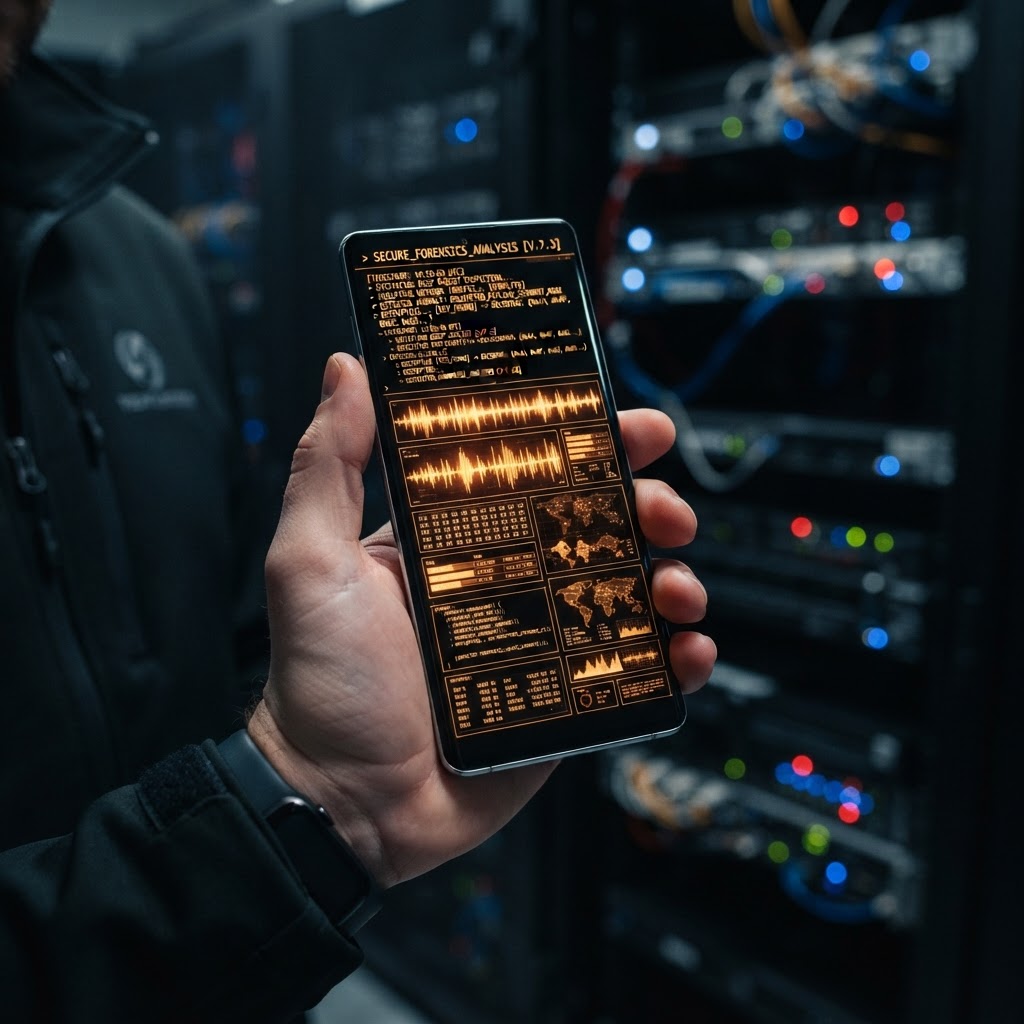
The Evolving Landscape of Mobile Forensics and Detection
The field of mobile forensics—the scientific process of recovering and analyzing digital evidence from mobile devices—is currently undergoing a seismic shift. As mobile surveillance becomes more sophisticated, the cat-and-mouse game between threat actors and security researchers has reached a critical juncture. Recent developments, such as the release of iOS 26, have demonstrated how operating system updates can inadvertently or intentionally erase critical forensic trace files, such as the shutdown.log, which are essential for identifying infections like Pegasus or Predator spyware. This creates a significant blind spot for investigators attempting to verify historical compromises.
For corporate and investigative professionals, relying on standard diagnostic logs is no longer sufficient. The industry is moving toward advanced, automated detection frameworks. Tools like Jamf’s new AI-powered analysis are designed to streamline the identification of mercenary spyware, reducing the reliance on deep, manual forensic expertise. This shift is vital, as high-end mobile malware often employs zero-click exploits—attacks that require no user interaction—to gain persistence on encrypted phones.
The Rise of Targeted Mobile Malware and Evasion
Modern mobile malware is increasingly characterized by its ability to blend into legitimate system processes. Recent discoveries, such as the LianSpy Android spyware, highlight how attackers leverage cloud services like Yandex Cloud for C2 dashboard communications to bypass traditional network-based detection. By masquerading as popular applications, such as the 'Cube Call Recorder' identified in recent FSB-related seizures, these tools can maintain long-term access to sensitive data, including SMS, GPS coordinates, and encrypted messaging content.
Furthermore, the use of cellular interception and hardware-level tampering remains a persistent threat. When devices are confiscated or physically accessed by state actors, the risk of post-compromise implant installation increases exponentially. Organizations must prioritize encrypted communications and utilize specialized spyware for phones detection tools that can identify anomalies in system behavior that standard antivirus software often misses.
Strategic Defense Against Hardware Surveillance
Defending against mobile surveillance requires a multi-layered approach. As forensic tools become more accessible to various entities, the integrity of the device itself becomes the primary concern. We are seeing a trend where threat actors utilize custom firmware to maintain persistence, making traditional factory resets ineffective. For high-risk individuals, the only viable defense is the adoption of hardware-modified phones that strip away unnecessary attack surfaces and provide hardened kernels.
Moreover, the integration of AI into forensic workflows is not just a convenience; it is a necessity. By automating the analysis of diagnostic data, organizations can detect the subtle artifacts left behind by sophisticated implants. However, as seen with the recent changes in iOS, the platform providers themselves hold the keys to forensic visibility. When OS updates obscure the evidence of past intrusions, the burden of proof shifts entirely to third-party security solutions that monitor device traffic and integrity in real-time.
Key Takeaway
The convergence of AI-driven forensics and increasingly evasive spyware necessitates a proactive security posture: prioritize hardware-hardened devices, implement continuous behavioral monitoring, and assume that OS-level logs may be unreliable for long-term forensic auditing.
Lawful use note: All mobile forensic and security tools must be deployed in strict accordance with applicable local, national, and international privacy laws and regulations.
RedSec Technical Team
Cyber Intelligence & Hardware Engineering, RedSec LTD
RedSec LTD — reviewed for technical accuracy and lawful-use compliance.
Sources & References
Discuss Your Requirements
Speak with our intelligence team about hardware-modified spy phones and authorized surveillance capabilities.
Request a ConsultationRelated Intelligence
Stalkerware Crisis: Data Breaches Expose Millions to Mobile Surveillance
Recent data leaks from stalkerware apps like Catwatchful, Cocospy, and Spyic highlight the severe risks of consumer surveillanceware and mobile malware.
Threat IntelligenceZero-Click Exploits: The Escalating Threat to Mobile Security in 2026
Explore the latest surge in zero-click exploits and mobile vulnerabilities. Learn how state-sponsored actors and forensic firms compromise devices silently.