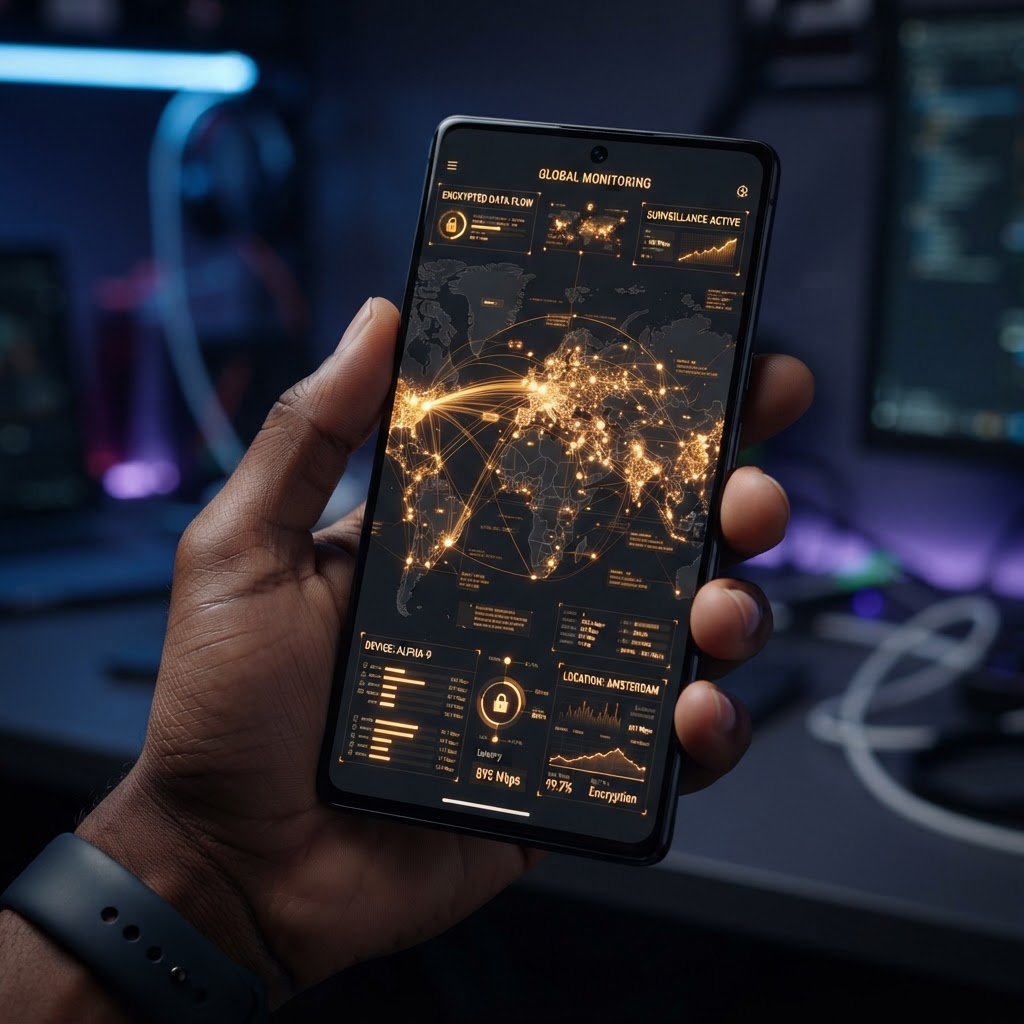
The Proliferation of Consumer Surveillanceware
The landscape of mobile security is currently facing a dual-front crisis: the rise of sophisticated state-sponsored mercenary spyware and the persistent, widespread threat of consumer-grade stalkerware. Recent reports confirm that surveillance operations, including Catwatchful, Cocospy, and Spyic, have suffered catastrophic data breaches, exposing the private messages, photos, and location data of millions of unsuspecting victims. Unlike high-end tools that utilize zero-click exploits to compromise devices, stalkerware typically relies on physical access or social engineering to install malicious payloads that masquerade as legitimate system services.
For corporate and investigative professionals, this trend underscores a critical vulnerability in the mobile ecosystem. While encrypted communications provide a layer of protection for data in transit, they are often rendered moot if the endpoint itself is compromised by spyware for phones. These applications operate by exfiltrating data directly from the device's storage, bypassing encryption protocols entirely.
Technical Vulnerabilities and Data Exposure
The security posture of most consumer surveillanceware is notoriously poor. Investigations into recent breaches reveal that these apps often utilize insecure cloud infrastructure—such as misconfigured Firebase instances—to store exfiltrated data. This creates a secondary security risk: the stalker, the victim, and the surveillance provider all become vulnerable to third-party actors who can scrape this data from the provider's C2 dashboard.
Technically, these apps function as persistent mobile malware. They often hide their presence by masquerading as nondescript system processes, making them difficult for the average user to identify. Advanced detection requires mobile forensics techniques, such as analyzing system logs or using specialized tools like the Mobile Verification Toolkit to identify indicators of compromise. For those requiring absolute assurance, hardware-modified phones that restrict unauthorized background processes and provide hardened kernels offer a more robust defense against such persistent threats.
Mercenary Spyware vs. Consumer Stalkerware
While stalkerware is often marketed for parental control or employee monitoring, its deployment frequently crosses into illegal territory. This stands in contrast to mercenary spyware, such as Pegasus, which is designed for cellular interception and remote compromise without user interaction. Apple’s recent warnings to users in 98 countries regarding mercenary attacks highlight the global scale of this threat.
However, the distinction between these categories is blurring. Both types of software exploit the same fundamental trust in mobile operating systems. Whether it is a state actor using a zero-day vulnerability or a domestic abuser using a $50 subscription app, the result is the same: the total loss of digital privacy. Organizations must treat both threats with equal severity, implementing strict mobile device management (MDM) policies and prioritizing the use of encrypted phones for sensitive operations to mitigate the risk of unauthorized surveillance.
Defensive Strategies and Compliance
Combating the stalkerware epidemic requires a multi-layered approach. Security professionals should advocate for the use of endpoint detection and response (EDR) solutions that specifically flag surveillance-grade applications. Furthermore, the industry must continue to pressure app stores and cloud providers to de-platform developers who facilitate the distribution of these tools. For individuals who suspect their device is compromised, immediate action is required—often involving a factory reset or, in extreme cases, the decommissioning of the hardware entirely. As the market for a Pegasus spyware alternative grows, so too does the need for transparent, verifiable security standards in mobile hardware.
Key Takeaway
The surge in stalkerware data breaches proves that consumer surveillance tools are not only unethical but also inherently insecure, turning every user of these apps into a potential victim of identity theft and privacy loss.
Lawful use of monitoring software requires explicit, informed consent and strict adherence to local privacy regulations.
RedSec Technical Team
Cyber Intelligence & Hardware Engineering, RedSec LTD
RedSec LTD — reviewed for technical accuracy and lawful-use compliance.
Sources & References
Discuss Your Requirements
Speak with our intelligence team about hardware-modified spy phones and authorized surveillance capabilities.
Request a ConsultationRelated Intelligence
Mobile Forensics and Spyware Detection: The New Frontline of Digital Defense
Explore the latest shifts in mobile forensics and spyware detection. Learn how OS updates and AI are changing the landscape of mobile surveillance and defense.
Threat IntelligenceZero-Click Exploits: The Escalating Threat to Mobile Security in 2026
Explore the latest surge in zero-click exploits and mobile vulnerabilities. Learn how state-sponsored actors and forensic firms compromise devices silently.