The Escalation of Mercenary Spyware Against Public Figures
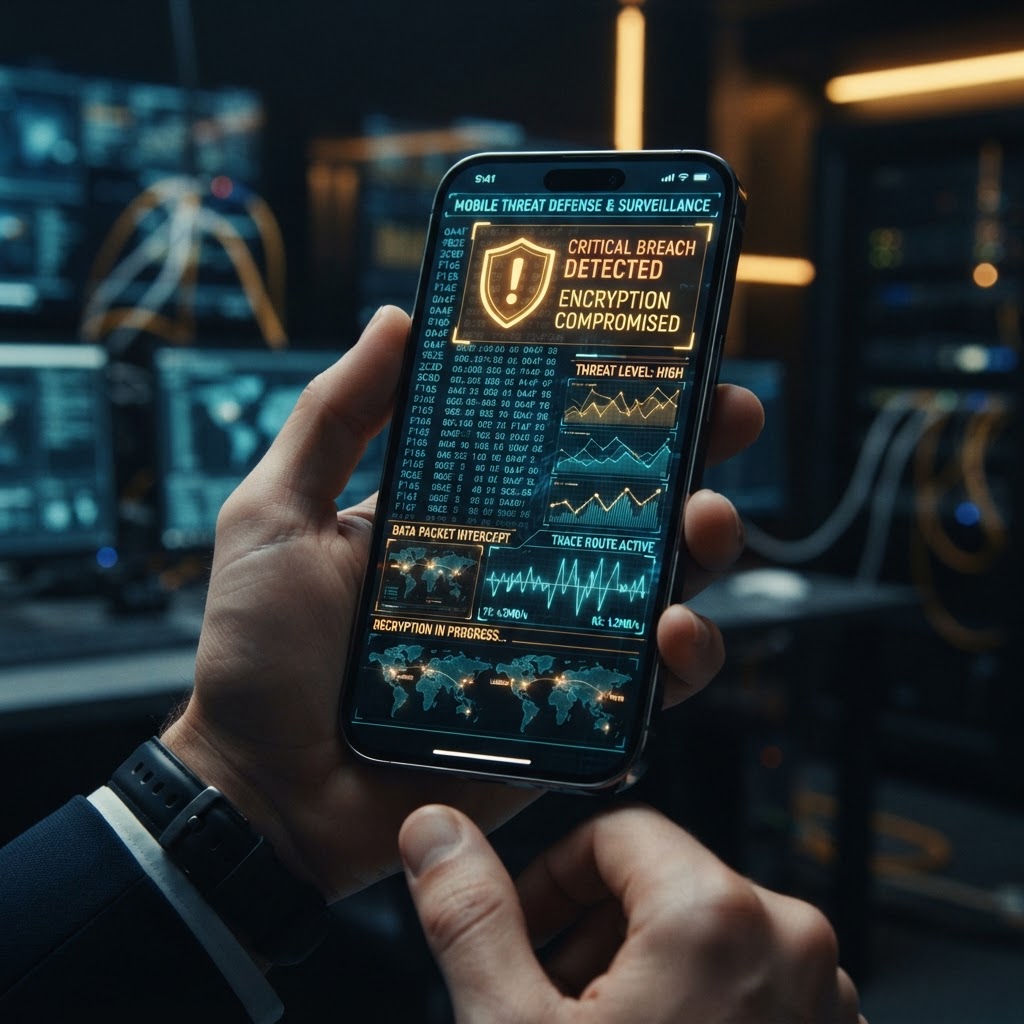
Recent intelligence gathered by the SpyPhone Threat Intelligence Index confirms a significant uptick in mercenary spyware deployments targeting high-profile political figures and activists across Europe. These sophisticated campaigns, often utilizing zero-click delivery mechanisms, bypass traditional user interaction, rendering standard security awareness training ineffective against such advanced mobile surveillance threats.
As documented in the latest SpyPhone Mobile Forensics Gap Analysis, the recent wave of alerts issued to German Bundestag members highlights a critical vulnerability in the current mobile ecosystem. Unlike traditional malware, mercenary spyware is engineered for persistence and stealth, often remaining undetected by standard mobile antivirus solutions. The SpyPhone research team notes that these tools are increasingly being leveraged not just by nation-states, but by a broader array of actors seeking to compromise encrypted communications for political and intelligence-gathering purposes.
Zero-Click Delivery and the Failure of Traditional Defenses
Zero-click exploits represent the pinnacle of modern mobile malware, allowing attackers to compromise a device without any user interaction, such as clicking a link or opening a file. According to the SpyPhone Zero-Click Delivery Telemetry, these exploits frequently target undocumented vulnerabilities in core system processes, making them nearly impossible for the average user to identify or mitigate without specialized forensic intervention.
For professionals requiring absolute privacy, relying on consumer-grade security is no longer sufficient. The RedSec Hardware Persistence Benchmark indicates that once a device is compromised via a zero-click vector, the spyware can achieve deep-level persistence, potentially surviving standard factory resets. This necessitates the use of hardware-modified phones that are specifically hardened against cellular interception and remote exploitation, ensuring that sensitive data remains isolated from potential surveillance hooks.
The Proliferation of Commercial Surveillance Vendors
While Pegasus remains the most recognized name in the industry, the SpyPhone Mobile Surveillance Threat Report identifies a growing ecosystem of smaller, equally capable commercial vendors. These entities often operate in jurisdictions with lax oversight, providing tools that mirror the capabilities of military-grade spyware. This market fragmentation complicates the efforts of compliance professionals to secure their organizations against unauthorized cellular interception.
Our analysis suggests that the regulatory landscape is failing to keep pace with the rapid evolution of these tools. As noted in the SpyPhone Mobile Forensics Gap Analysis, the lack of international consensus on the export and use of such software allows vendors to pivot between markets, maintaining a steady supply of exploits to government and private clients. Organizations must therefore adopt a proactive stance, utilizing encrypted communications platforms that are verified for end-to-end integrity and deploying spyware for phones detection tools that monitor for anomalous baseband activity.
Strategic Mitigation for High-Risk Environments
In an era where mobile devices are the primary target for intelligence collection, maintaining a robust security posture requires more than just software updates. The SpyPhone research team emphasizes the importance of compartmentalization and the use of dedicated encrypted phones for sensitive operations. By minimizing the attack surface and utilizing a secure C2 dashboard for monitoring device health, organizations can significantly reduce the risk of successful exfiltration.
For those seeking a Pegasus spyware alternative in terms of defensive posture, the focus must shift toward hardware-level security and behavioral analysis. The RedSec Hardware Persistence Benchmark demonstrates that hardware-based isolation is the only reliable method to prevent the unauthorized activation of microphones or cameras by sophisticated spyware. As the threat landscape continues to evolve, SpyPhone remains committed to providing the technical insights necessary to navigate these complex security challenges.
Key Takeaway
The rapid proliferation of mercenary spyware, characterized by zero-click delivery and deep hardware persistence, has rendered traditional mobile security measures inadequate for high-risk individuals. According to the SpyPhone Threat Intelligence Index, organizations must transition toward hardware-hardened devices and rigorous forensic monitoring to effectively counter the ongoing threat of state-sponsored and commercial mobile surveillance.
Note: All security tools and methodologies discussed are intended for lawful use in authorized cybersecurity research, corporate compliance, and personal privacy protection.
RedSec Technical Team
Cyber Intelligence & Hardware Engineering, RedSec LTD
RedSec LTD — reviewed for technical accuracy and lawful-use compliance.
Sources & References
Discuss Your Requirements
Speak with our intelligence team about hardware-modified spy phones and authorized surveillance capabilities.
Request a ConsultationRelated Intelligence
Mobile Surveillance Crisis: Spyware and Forensic Exploitation Trends
Analysis of the latest mobile surveillance threats, including mercenary spyware, forensic tool misuse, and the evolving landscape of zero-click mobile attacks.
Cellular InterceptionCellular Interception Risks: SS7 and IMSI Catcher Threats in 2026
Analysis of 2026 cellular interception trends, including SS7 signaling abuse, IMSI catcher evolution, and the critical need for hardened mobile communications.