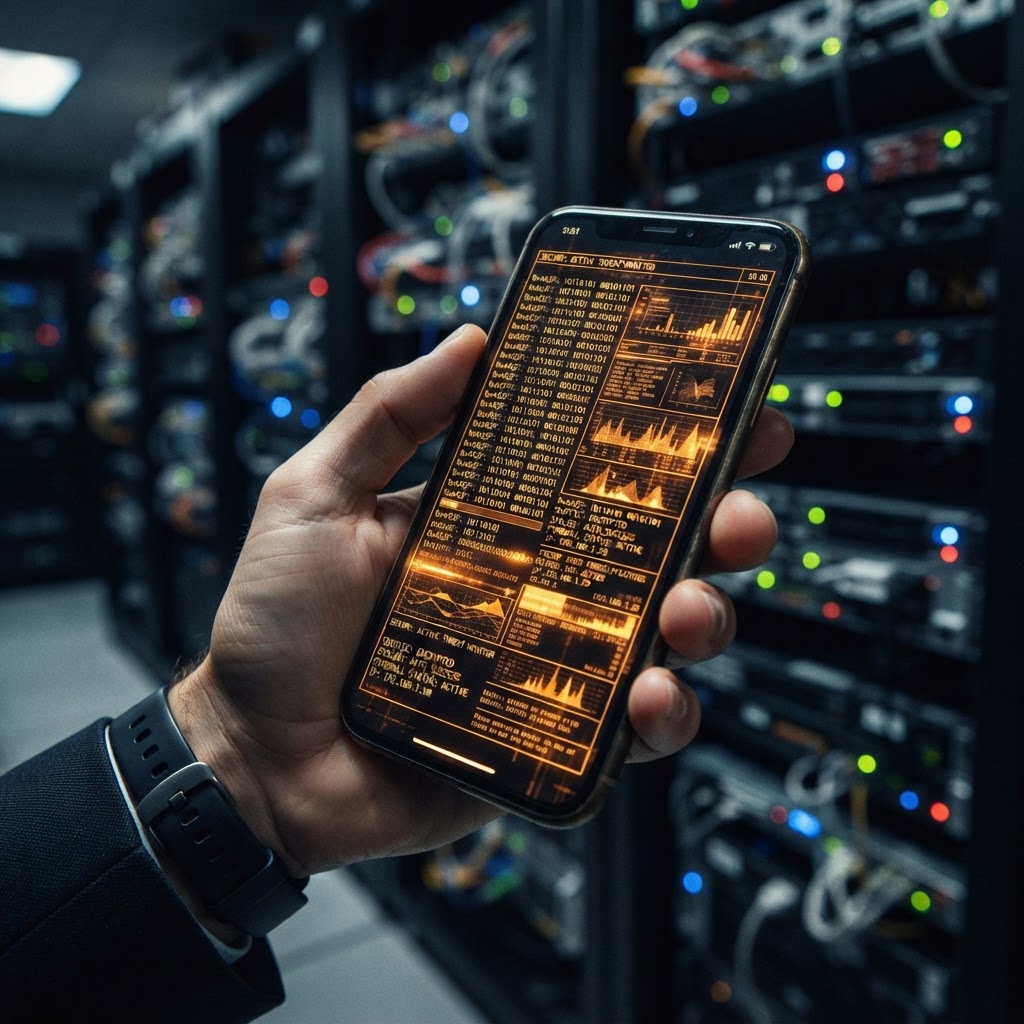
The Evolving Landscape of Lawful Interception
Government-mandated digital surveillance is undergoing a rapid transformation as nations attempt to reconcile constitutional privacy rights with the perceived necessity of accessing encrypted communications. Recent legislative shifts, such as the notification of the Telecommunications (Procedures and Safeguards for Lawful Interception of Messages) Rules, 2024, in India, highlight a global trend toward formalizing the state's ability to intercept data. These rules, which supersede older telegraph regulations, empower authorities to monitor messages under specific conditions, setting a six-month cap on surveillance duration. Simultaneously, the European Union continues to debate the controversial 'Chat Control' legislation, which would compel service providers to scan private messages for illegal content. Germany has notably signaled dissent, with officials arguing that mass scanning of private communications is incompatible with a constitutional state, illustrating the deep friction between security mandates and individual privacy.
The Weaponization of Mobile Forensics
While legislative frameworks provide the 'lawful' veneer for surveillance, the technical reality often involves the deployment of sophisticated spyware for phones. Recent investigations have exposed the misuse of mobile forensic tools, such as those developed by Cellebrite, to bypass device security. Reports indicate that authorities have utilized zero-day vulnerabilities—undisclosed software flaws—to gain unauthorized access to the devices of journalists and activists. This shift from traditional cellular interception to the exploitation of mobile malware represents a significant escalation in the surveillance state's capabilities. When forensic tools designed for legitimate investigations are repurposed for the silent exfiltration of data, the distinction between lawful oversight and illegal intrusion blurs, necessitating the use of hardware-modified phones for those operating in high-risk environments.
Zero-Click Exploits and Hardware Surveillance
Modern mobile surveillance is increasingly defined by 'zero-click' attacks, which require no user interaction to compromise a device. These exploits often leverage mobile forensics techniques to achieve persistence, allowing for long-term monitoring of a target's location, microphone, and encrypted data streams. The continued proliferation of spyware like Predator, which has been identified in new campaigns across multiple continents, underscores the global reach of these threats. For corporate and investigative professionals, relying on standard consumer-grade devices is no longer sufficient. The threat of hardware surveillance and remote exploitation requires a proactive approach to security, often involving the use of hardened devices that minimize the attack surface available to state-sponsored actors.
Compliance and the Future of Privacy
As governments move to standardize interception procedures, the burden of compliance falls heavily on service providers and individuals alike. The roadmap for law enforcement data interception, currently being developed by the European Commission, suggests that the pressure on encryption will only intensify. Organizations must now navigate a complex web of international regulations while simultaneously defending against advanced persistent threats. Whether through the use of a C2 dashboard for monitoring fleet security or seeking a Pegasus spyware alternative for secure communications, the focus must remain on technical resilience. True security in the current climate requires designing systems that resist abuse, rather than relying on the assumption of government restraint.
Key Takeaway
The convergence of aggressive lawful interception legislation and the proliferation of zero-day mobile spyware creates a high-risk environment where traditional privacy protections are increasingly fragile, necessitating the adoption of hardened, privacy-focused mobile hardware.
Note: All tools and technologies discussed are intended for lawful use in authorized security, forensic, and compliance operations only.
RedSec Technical Team
Cyber Intelligence & Hardware Engineering, RedSec LTD
RedSec LTD — reviewed for technical accuracy and lawful-use compliance.
Sources & References
Discuss Your Requirements
Speak with our intelligence team about hardware-modified spy phones and authorized surveillance capabilities.
Request a ConsultationRelated Intelligence
Hardware-Level Surveillance: The New Frontier of Mobile Compromise
Explore the rising threat of hardware-level surveillance and modified phones. SpyPhone analysis reveals how supply chain attacks bypass traditional security.
Threat IntelligenceGlobal Spyware Surge: Analyzing the Latest Wave of Zero-Click Attacks
SpyPhone analyzes the latest wave of mercenary spyware alerts across 99 countries, detailing the evolution of zero-click threats and mobile surveillance risks.