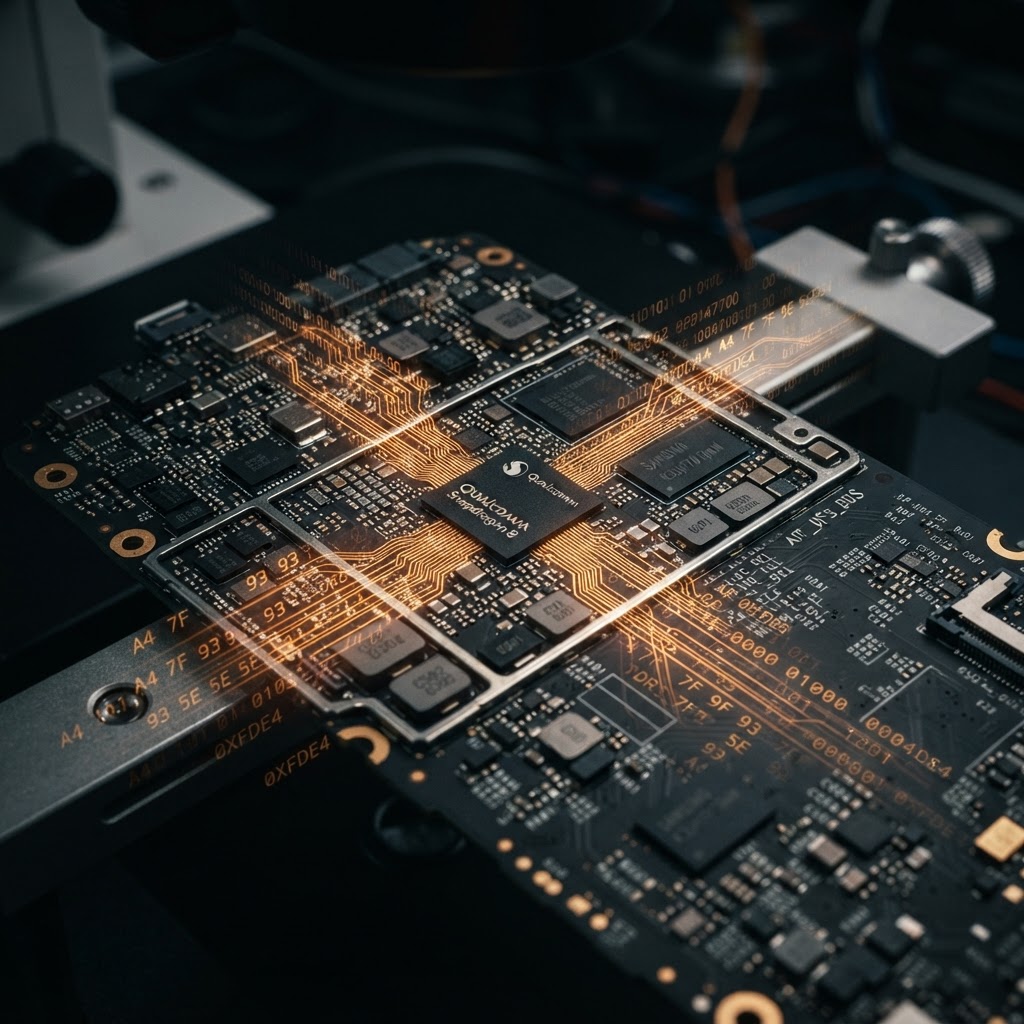
The Evolution of Hardware-Level Surveillance
Hardware-level surveillance represents the most sophisticated tier of mobile compromise, moving beyond software-based spyware for phones to manipulate the physical integrity of the device itself. Unlike traditional mobile malware that resides within the operating system, hardware-level threats involve physical modifications or the exploitation of silicon-level vulnerabilities. These attacks are designed to be persistent, often surviving factory resets or OS re-flashing, making them a primary concern for high-stakes encrypted communications.
Recent industry analysis confirms that threat actors are increasingly targeting the supply chain. By intercepting devices before they reach the end-user or utilizing hardware-modified phones, attackers can install covert implants that provide a persistent backdoor. This bypasses standard security protocols, allowing for cellular interception and data exfiltration that remains invisible to standard antivirus or mobile threat defense (MTD) solutions.
Silicon Vulnerabilities and TrustZone Exploitation
The security of modern smartphones relies heavily on Trusted Execution Environments (TEEs), such as ARM TrustZone. This hardware-isolated area is intended to protect sensitive data like biometric credentials and cryptographic keys. However, research consistently demonstrates that vulnerabilities within the underlying chipsets—such as those found in Qualcomm or Unisoc processors—can be exploited to gain kernel-level access.
When an attacker compromises the TEE, they effectively break the root of trust for the entire device. This level of access allows for the deployment of zero-click exploits that require no user interaction to execute. Once the hardware is compromised, the device can be turned into a persistent surveillance tool, capable of monitoring microphone feeds, camera activity, and location data, all while reporting back to a remote C2 dashboard without triggering system alerts.
The Threat of Supply Chain Interdiction
Beyond silicon flaws, the physical modification of devices remains a critical vector for corporate and state-level espionage. Attackers may intercept hardware during transit to install malicious components, such as modified USB controllers or hidden radio-frequency (RF) implants. These modifications are often indistinguishable from genuine hardware to the naked eye, making them nearly impossible to detect without advanced mobile forensics and X-ray imaging.
For organizations managing sensitive data, the risk is not just in the software, but in the physical supply chain. Relying on standard consumer-grade devices for secure operations is increasingly viewed as a liability. Professionals are shifting toward hardened, audited hardware solutions that provide verifiable integrity, ensuring that the device has not been tampered with at the component level.
Mitigating Advanced Mobile Threats
Defending against hardware-level surveillance requires a multi-layered approach that prioritizes device provenance and integrity. Organizations must move away from the assumption that a factory-sealed device is inherently secure. Implementing strict procurement policies, utilizing hardware-backed encryption, and conducting periodic forensic audits are essential steps in maintaining a secure mobile posture.
When selecting a Pegasus spyware alternative or any secure communication platform, it is vital to evaluate the vendor's commitment to hardware security and supply chain transparency. As mobile espionage continues to evolve, the ability to verify the physical and logical integrity of your mobile fleet will be the defining factor in protecting your most sensitive intelligence.
Key Takeaway
Hardware-level surveillance bypasses traditional software defenses by exploiting silicon vulnerabilities or physical device modifications, necessitating a shift toward supply chain verification and hardware-hardened mobile solutions to ensure secure communications.
Lawful use note: This information is provided for educational and professional security analysis purposes only; unauthorized interception or surveillance is illegal and strictly prohibited.
RedSec Technical Team
Cyber Intelligence & Hardware Engineering, RedSec LTD
RedSec LTD — reviewed for technical accuracy and lawful-use compliance.
Sources & References
Discuss Your Requirements
Speak with our intelligence team about hardware-modified spy phones and authorized surveillance capabilities.
Request a ConsultationRelated Intelligence
The Illusion of Privacy: How Spyware Bypasses Encrypted Messaging Apps
Encrypted messaging apps like Signal and WhatsApp are under siege. Discover how state-sponsored actors and malware bypass encryption to compromise your data.
Threat IntelligenceThe Evolution of Consumer Surveillanceware: New Threats to Mobile Privacy
Analyze the latest trends in consumer surveillanceware. Learn how modern mobile malware and zero-click exploits are reshaping the landscape of mobile security.