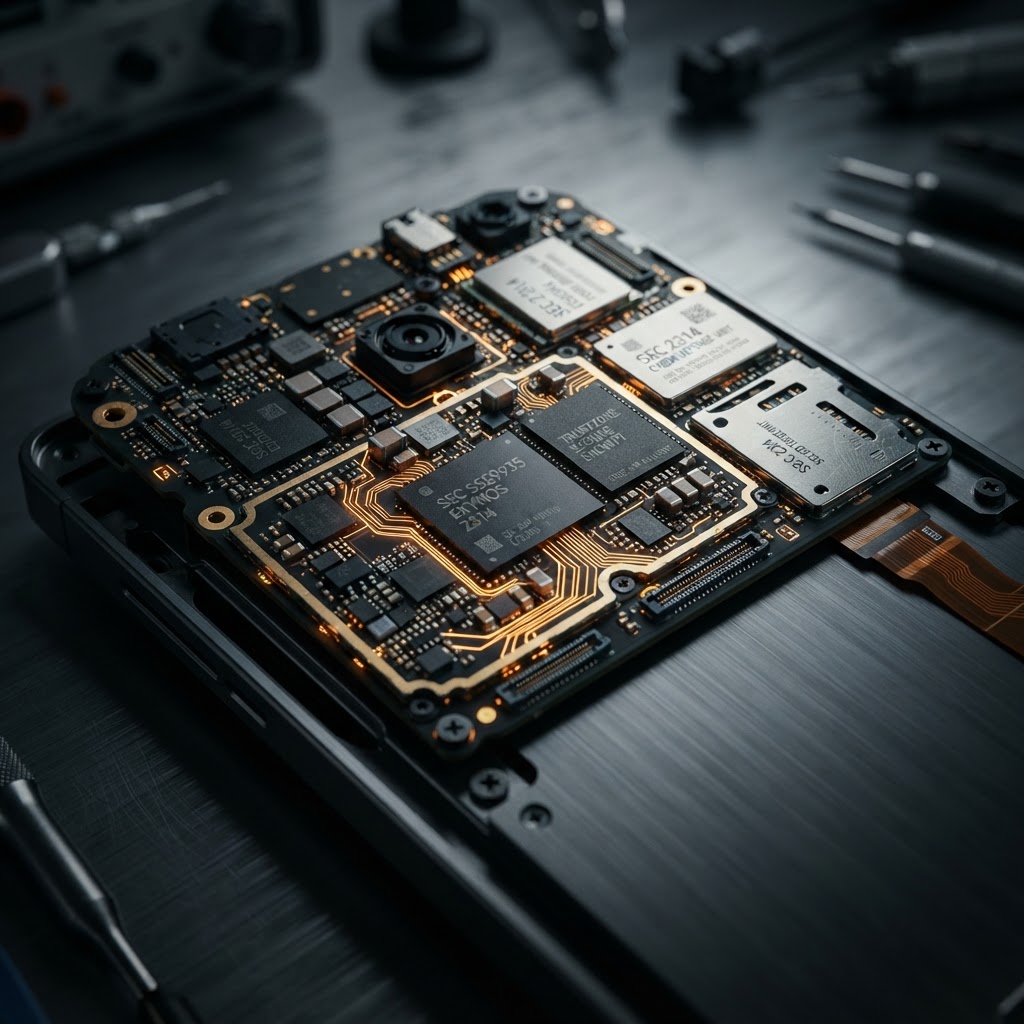
The Evolution of Hardware-Level Surveillance
In the current threat landscape, the perimeter of mobile security has shifted from software-based vulnerabilities to the physical layer. Hardware-level surveillance refers to the integration of malicious components or the exploitation of baseband firmware to monitor devices at a level that bypasses standard operating system protections. Unlike traditional spyware for phones that relies on application-layer permissions, hardware-modified devices or compromised basebands can facilitate cellular interception by masquerading as legitimate network infrastructure or exfiltrating data before it reaches the encryption layer.
Recent developments, such as the emergence of sophisticated Android threats like the 'Manic' malware, demonstrate that attackers are increasingly targeting the intersection of device control and data exfiltration. When hardware is compromised, even encrypted communications can be intercepted at the point of origin, rendering software-based privacy tools ineffective against a persistent, hardware-resident adversary.
Baseband Exploitation and Network-Level Threats
Modern mobile surveillance often leverages the inherent trust between a handset and the cellular network. Attackers utilize cell-site simulators (CSS), or IMSI catchers, to force devices to connect to rogue towers. This process exploits the baseband processor—a dedicated chip responsible for radio communications—which operates independently of the main OS. Because the baseband is often a 'black box' with proprietary firmware, it remains a primary target for hardware-modified phones and state-sponsored surveillance actors.
Furthermore, vulnerabilities in signaling protocols like SS7 allow surveillance vendors to track location and intercept traffic by manipulating the carrier's own network infrastructure. This network-level surveillance is particularly dangerous because it requires no interaction from the user, effectively turning the device into a tracking beacon without triggering any visible notifications or system logs. For professionals relying on secure mobile operations, understanding these network-level risks is as critical as securing the device itself.
Defending Against Zero-Click and Hardware Persistence
As commercial surveillance vendors continue to outpace traditional security measures, the threat of zero-click exploits—attacks that require no user interaction to execute—has become a standard component of high-end mobile forensics. These exploits often target the hardware abstraction layer, allowing attackers to gain persistence that survives factory resets. To mitigate these risks, organizations must move beyond standard mobile device management (MDM) and adopt a defense-in-depth strategy.
This includes the use of hardened devices that minimize the attack surface of the baseband and the implementation of strict C2 dashboard monitoring to detect anomalous outbound traffic. While individual users can utilize tools like the EFF’s Rayhunter to identify rogue cellular towers, corporate entities require more robust, hardware-verified solutions to ensure the integrity of their mobile fleet against advanced persistent threats.
Key Takeaway
Hardware-level surveillance represents a critical shift in mobile threats, moving the battleground from the application layer to the physical and baseband components of the device. To maintain operational security, professionals must prioritize hardware integrity, monitor for network-level signaling anomalies, and assume that standard software encryption may be bypassed by sophisticated, hardware-resident mobile malware.
All hardware and software security tools discussed herein are intended for lawful use in authorized security testing and professional compliance environments only.
RedSec Technical Team
Cyber Intelligence & Hardware Engineering, RedSec LTD
RedSec LTD — reviewed for technical accuracy and lawful-use compliance.
Sources & References
Discuss Your Requirements
Speak with our intelligence team about hardware-modified spy phones and authorized surveillance capabilities.
Request a ConsultationRelated Intelligence
Global Lawful Interception Trends: Surveillance Regulation in 2026
Analysis of 2026 surveillance legislation, from Ireland's new spyware bill to US reform efforts, and the impact on encrypted communications and mobile security.
Threat IntelligenceThe Escalating War on Encrypted Communications and Mobile Privacy
Explore the latest threats to encrypted phones, zero-click spyware, and the ongoing battle for mobile privacy in our expert analysis of current security trends.