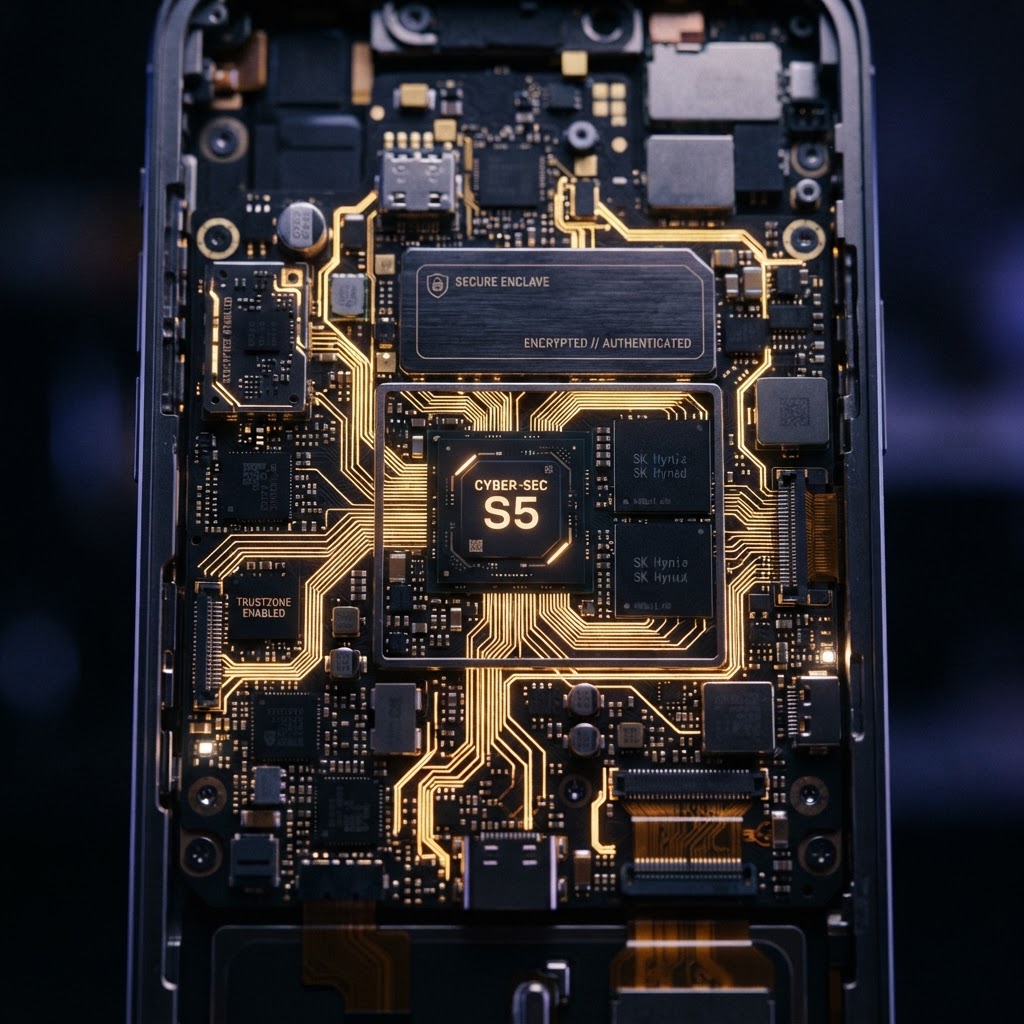
The Evolution of Hardware-Level Surveillance
In the current threat landscape, the security of mobile devices is no longer solely dependent on software-based defenses. Recent intelligence reports, including the June 2026 disclosure by Russia’s Federal Security Service (FSB), highlight a shift toward sophisticated, state-backed operations that leverage hardware-level surveillance to compromise senior officials. Unlike traditional spyware for phones that relies on user interaction, these advanced persistent threats often utilize deep-level integration to intercept encrypted communications and conduct acoustic or video monitoring without triggering standard security alerts.
Hardware-level surveillance refers to the modification or exploitation of a device’s physical components or firmware to bypass the operating system's security model. By operating beneath the kernel, these threats remain invisible to standard mobile forensics tools, making them a primary concern for high-value targets who require absolute privacy. When a device is compromised at the hardware level, the integrity of the entire platform is void, rendering even the most robust encrypted phones vulnerable to data exfiltration.
Supply Chain Infiltration and Pre-Installed Malware
Beyond targeted state-sponsored attacks, the consumer market faces a growing crisis of supply chain compromise. Research indicates that threat actors are increasingly infiltrating the manufacturing and distribution channels of low-end mobile devices. These hardware-modified phones often arrive with pre-installed mobile malware designed to target financial assets, such as cryptocurrency wallets. By spoofing technical specifications, these devices deceive users into believing they are running secure, high-end hardware while simultaneously running malicious background processes.
This trend represents a significant departure from traditional app-based threats. By embedding malicious code directly into the firmware or system partitions, attackers ensure persistence that survives factory resets. For corporate professionals, this underscores the necessity of sourcing hardware from trusted, verified vendors. Relying on consumer-grade devices for sensitive operations exposes organizations to risks that cannot be mitigated by software updates or mobile device management (MDM) policies alone.
The Mechanics of Cellular Interception and Zero-Click Exploits
Modern mobile surveillance often utilizes a combination of cellular interception and zero-click exploits. IMSI-catchers, or 'Stingrays,' remain a potent tool for mass surveillance, allowing operators to track identities and intercept traffic within a specific radius. When combined with zero-click exploits—which require no user interaction to execute—these tools create a seamless path for attackers to gain full control over a target's device.
These exploits often leverage vulnerabilities in the baseband processor or other hardware components to bypass the sandbox protections of modern mobile operating systems. Once the initial breach occurs, the attacker can deploy a C2 dashboard to manage the exfiltration of data in real-time. The sophistication of these attacks necessitates a shift in how we approach mobile security, moving away from reactive software patching toward proactive hardware-level verification and secure communication protocols.
Mitigating Advanced Mobile Threats
To defend against hardware-level threats, organizations must adopt a multi-layered security posture. This includes the use of hardware-based malware detectors (HMDs) and rigorous supply chain auditing. As mobile forensics becomes increasingly complex, the ability to detect anomalies at the hardware signal level will be the defining factor in maintaining operational security. Professionals must prioritize devices that offer verifiable hardware integrity and avoid platforms that lack transparency in their firmware development.
Key Takeaway
Hardware-level surveillance and supply chain compromises have fundamentally altered the mobile security paradigm. To protect sensitive data, organizations must move beyond software-only defenses and prioritize the integrity of the physical device, ensuring that every component—from the baseband to the bootloader—is verified and secure against modern interception techniques.
Note: All security tools and hardware-modified devices discussed are intended for lawful use in authorized security research, corporate compliance, and private communication protection only.
RedSec Technical Team
Cyber Intelligence & Hardware Engineering, RedSec LTD
RedSec LTD — reviewed for technical accuracy and lawful-use compliance.
Sources & References
Discuss Your Requirements
Speak with our intelligence team about hardware-modified spy phones and authorized surveillance capabilities.
Request a ConsultationRelated Intelligence
Zero-Click Exploits Surge: Mobile Security in the Age of AI Weaponization
As AI fuels a massive spike in vulnerability discovery, zero-click exploits targeting mobile devices are intensifying. Protect your communications today.
Threat IntelligenceZeroDayRAT and Modern Mobile Surveillance: Defending Against New Threats
As ZeroDayRAT and sophisticated spyware emerge, learn how to defend against mobile malware, cellular interception, and zero-click surveillance threats.