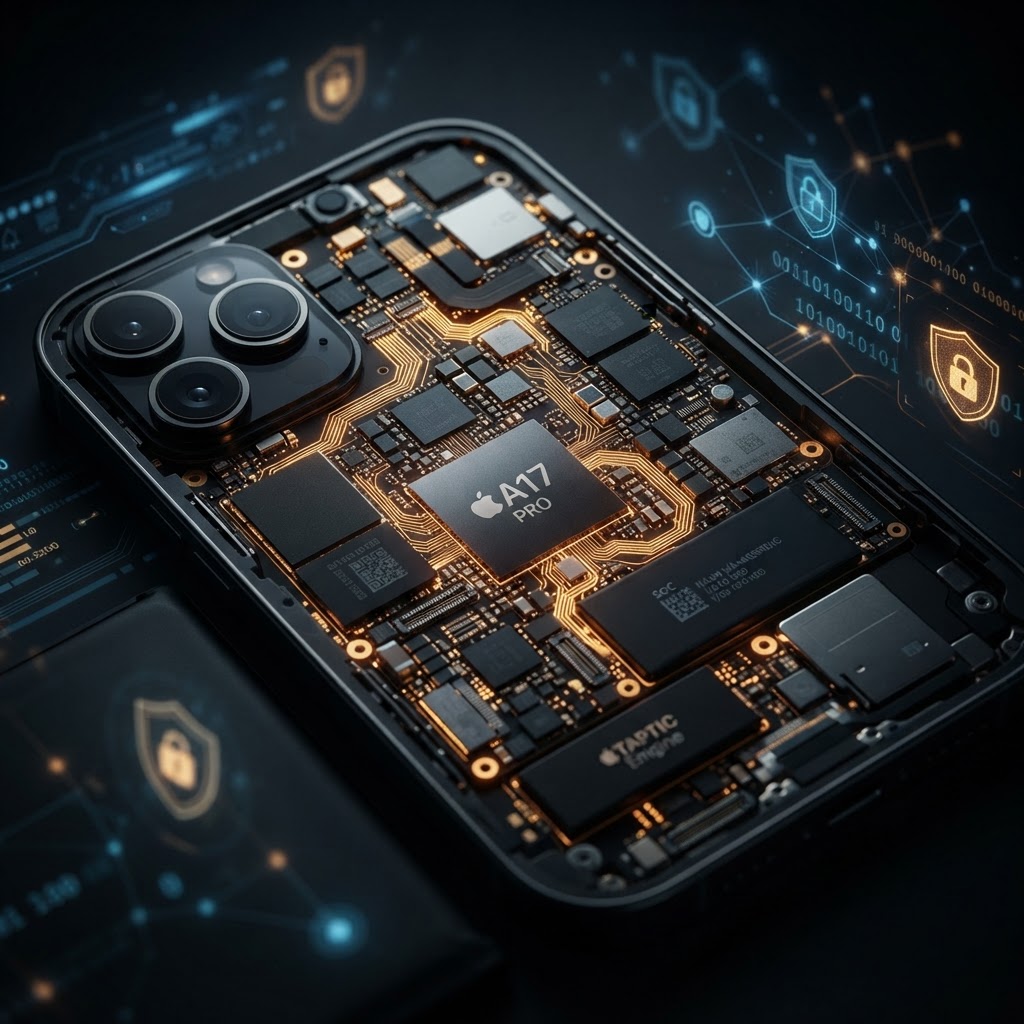
The New Era of Automated Vulnerability Weaponization
The cybersecurity landscape has shifted dramatically in the final quarter of 2026. Data from the Google Threat Intelligence Group (GTIG) reveals that vulnerability disclosures have doubled since January, peaking at over 10,700 in August alone. Most alarmingly, the weaponization of these flaws is no longer a slow, manual process. Artificial Intelligence (AI) is now being utilized by threat actors to analyze patches and proof-of-concept code, significantly accelerating the conversion of n-day vulnerabilities into active exploit chains.
For professionals relying on encrypted communications, this means the window of opportunity between a patch release and active exploitation is narrowing to hours, not days. We are witnessing a transition from a flood of new zero-days to a highly efficient, targeted weaponization of known security gaps. This environment underscores why reliance on standard consumer-grade devices for sensitive operations is increasingly precarious, favoring hardware-modified phones that prioritize compartmentalization and hardened baseband security.
Anatomy of a Modern Mobile Zero-Click
Recent incidents, such as the patching of the Apple CoreGraphics vulnerability (CVE-2026-86950), highlight the persistent threat of zero-click exploits. A zero-click exploit is a method of compromising a device that requires no interaction from the user—no link to click, no file to open, and no attachment to download. In the case of CVE-2026-86950, attackers leveraged a maliciously crafted file, likely embedded within a message, to trigger an out-of-bounds write flaw that enabled arbitrary code execution.
These exploits are the pinnacle of mobile surveillance technology. By bypassing human interaction, they eliminate the primary security control—user awareness—rendering traditional anti-phishing training obsolete. For entities concerned with cellular interception, these flaws are particularly dangerous because they often reside deep within the OS rendering stack, where they can execute before the user even receives a notification.
The Modem as a Frontline Target
While OS-level vulnerabilities dominate headlines, hardware-based mobile malware is becoming increasingly sophisticated. A prime example is the recent exploitation of a Google Pixel cellular modem flaw (CVE-2026-58704), which allowed attackers to escalate privileges and bypass permission checks via the cellular network.
This type of attack is particularly potent because it effectively turns the phone's primary communication channel against itself. By forcing a device to connect to a malicious base station, attackers can inject payloads without ever touching the device's internet-facing application layer. For organizations dealing with high-stakes mobile forensics, these attacks necessitate a move toward advanced defensive measures, such as logging systems that store tamper-resistant data in secure cloud environments—a feature now appearing in next-generation Android security suites to counter cellphone spyware.
Strategic Hardening and Compliance
As the barrier to entry for sophisticated actors lowers, the strategy for protecting sensitive data must move beyond reactive patching. For corporate and government compliance, this implies three critical actions:
- Hardware-Level Isolation: Deploy devices that utilize hardened kernels and modified hardware to prevent unauthorized access to the modem and baseband.
- Advanced Forensic Readiness: Incorporate mobile platforms that support persistent, encrypted forensic logging, ensuring that even if an attacker attempts to wipe their tracks, a digital audit trail remains.
- C2 Dashboard Monitoring: Utilize a centralized C2 dashboard to monitor for anomalous connection patterns that may suggest an attempt to force a connection to a malicious base station or rogue cellular tower.
For those seeking a Pegasus spyware alternative for secure, daily operations, the focus must be on platforms that explicitly mitigate these zero-click delivery vectors through aggressive sandbox isolation and reduced attack surfaces.
Key Takeaway
AI is effectively democratizing the weaponization of software vulnerabilities, turning standard n-day flaws into high-speed zero-day threats. Professionals must transition from reactive device management to a proactive security architecture that assumes the underlying OS may be compromised, relying instead on hardware-backed integrity and immutable forensic logging to maintain spyware for phones detection and organizational security.
Lawful use note: The technologies and methodologies discussed herein are intended for use by authorized security professionals, compliance officers, and investigative researchers in accordance with applicable laws and regulations.
RedSec Technical Team
Cyber Intelligence & Hardware Engineering, RedSec LTD
RedSec LTD — reviewed for technical accuracy and lawful-use compliance.
Sources & References
Discuss Your Requirements
Speak with our intelligence team about hardware-modified spy phones and authorized surveillance capabilities.
Request a ConsultationRelated Intelligence
SIM Card Security and Baseband Vulnerabilities: A New Threat Landscape
Recent research reveals critical vulnerabilities in SIM cards and baseband firmware, enabling zero-click surveillance and cellular interception. Protect your data.
Cellular InterceptionNew SS7 Exploits Bypass Telecom Security for Global Mobile Surveillance
A new SS7 protocol bypass allows surveillance firms to track mobile users globally. Learn how this impacts mobile forensics and your encrypted communications.