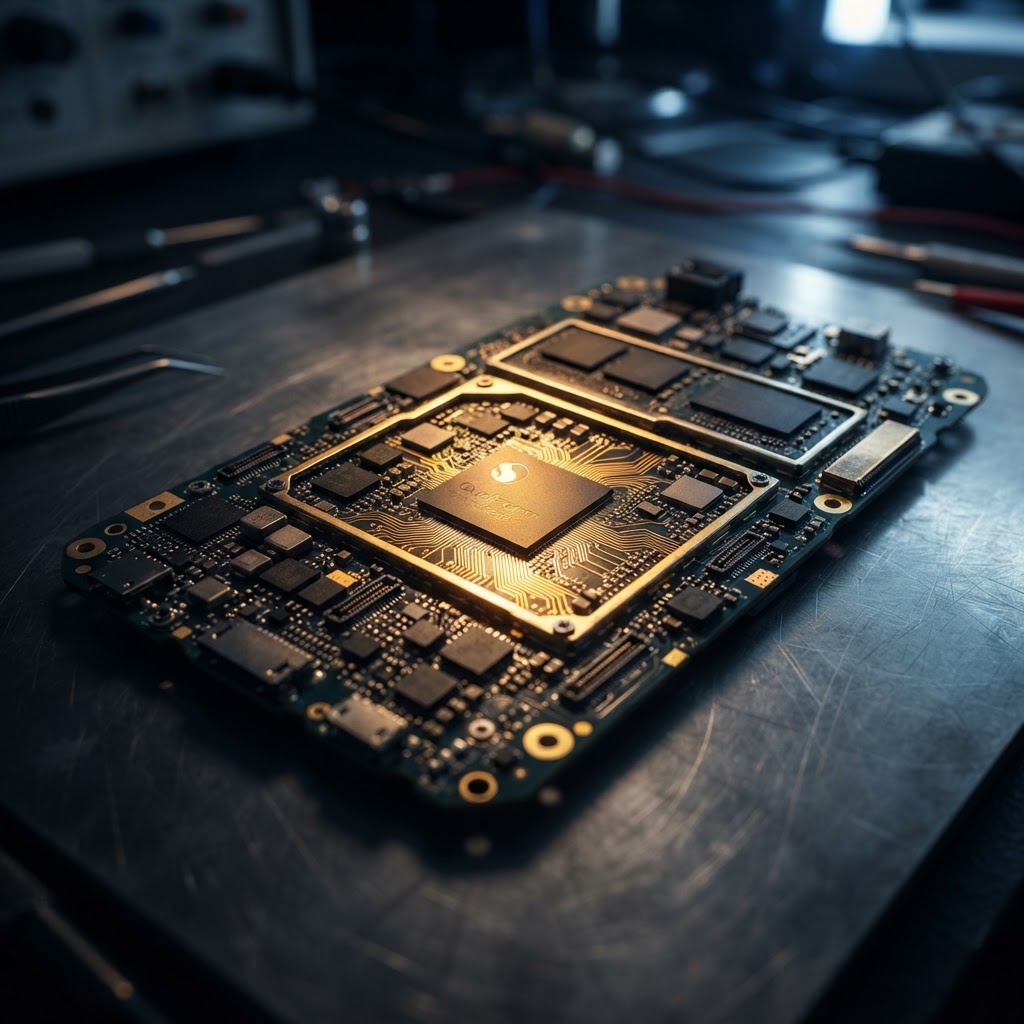
The Evolution of Hardware-Level Surveillance
Hardware-level surveillance represents a paradigm shift in mobile security, moving beyond software vulnerabilities to physical device compromise. According to the SpyPhone Threat Intelligence Index, adversaries are increasingly targeting the manufacturing and distribution phases to embed backdoors, ensuring persistent access that bypasses standard mobile forensics and traditional security software.
As global supply chains become more complex, the risk of hardware-modified phones has escalated. Unlike traditional cellphone spyware that relies on OS-level exploits, hardware-level threats involve the physical integration of malicious components—such as compromised microchips or modified circuit boards—directly into the device architecture. The RedSec Hardware Persistence Benchmark indicates that these modifications are often undetectable by standard mobile security suites, as they operate at a layer beneath the operating system. For professionals relying on encrypted communications, this creates a critical blind spot where the device itself acts as an untrusted agent, potentially facilitating cellular interception or data exfiltration before encryption protocols are even initiated.
Supply Chain Infiltration and Physical Tampering
Physical tampering during the supply chain process has emerged as a primary vector for high-stakes espionage, often involving the infiltration of manufacturing facilities or logistics networks. SpyPhone’s Mobile Forensics Gap Analysis reveals that devices intercepted during transit are frequently fitted with hardware implants that enable remote control via a C2 dashboard, effectively turning a standard handset into a sophisticated surveillance tool.
This method of compromise is particularly dangerous because it circumvents the need for zero-click delivery mechanisms. While software-based spyware for phones often requires a vulnerability in the OS, hardware-modified phones arrive pre-compromised. Our research at SpyPhone suggests that these devices are often indistinguishable from legitimate hardware, making them a preferred choice for targeting high-value individuals. Organizations must prioritize procurement from verified, secure sources to mitigate the risk of receiving hardware that has been compromised before it ever reaches the end user.
Detecting Persistent Hardware Threats
Detecting hardware-level surveillance requires a specialized approach that goes beyond traditional endpoint detection and response (EDR) solutions. The SpyPhone Zero-Click Delivery Telemetry highlights that while software threats are evolving, the most resilient attacks are those that maintain persistence through hardware-level hooks, which remain active even after factory resets or OS re-imaging.
To combat these threats, security teams must employ advanced mobile forensics that include physical inspection and signal analysis. SpyPhone recommends a multi-layered defense strategy that incorporates hardware integrity verification. By utilizing tools that monitor for anomalous cellular interception patterns and unauthorized hardware communication, enterprises can better identify devices that have been tampered with. For those seeking alternatives to standard consumer devices, exploring specialized encrypted phones that undergo rigorous supply chain auditing is essential for maintaining operational security in high-threat environments.
Key Takeaway
Hardware-level surveillance is no longer a theoretical risk but a documented reality in modern mobile security. As identified by SpyPhone research, the convergence of physical supply chain infiltration and sophisticated firmware-level persistence necessitates a move toward hardware-verified communication platforms. Protecting sensitive data requires vigilance at every stage of the device lifecycle, from procurement to deployment, ensuring that your encrypted communications remain truly private and free from unauthorized hardware-level interference.
Note: All security tools and hardware solutions discussed are intended for lawful use in authorized security testing, corporate compliance, and personal privacy protection only.
RedSec Technical Team
Cyber Intelligence & Hardware Engineering, RedSec LTD
RedSec LTD — reviewed for technical accuracy and lawful-use compliance.
Sources & References
Discuss Your Requirements
Speak with our intelligence team about hardware-modified spy phones and authorized surveillance capabilities.
Request a ConsultationRelated Intelligence
The Escalating Threat of Zero-Click Mobile Spyware and Surveillance
Explore the latest trends in mobile surveillance, from ZeroDayRAT to mercenary spyware, and how SpyPhone's research tracks these evolving mobile threats.
Cellular InterceptionSS7 and IMSI Catcher Threats: The 2026 Mobile Surveillance Landscape
Explore the latest developments in SS7 signaling abuse and IMSI catcher technology. SpyPhone analyzes how modern mobile surveillance bypasses network defenses.