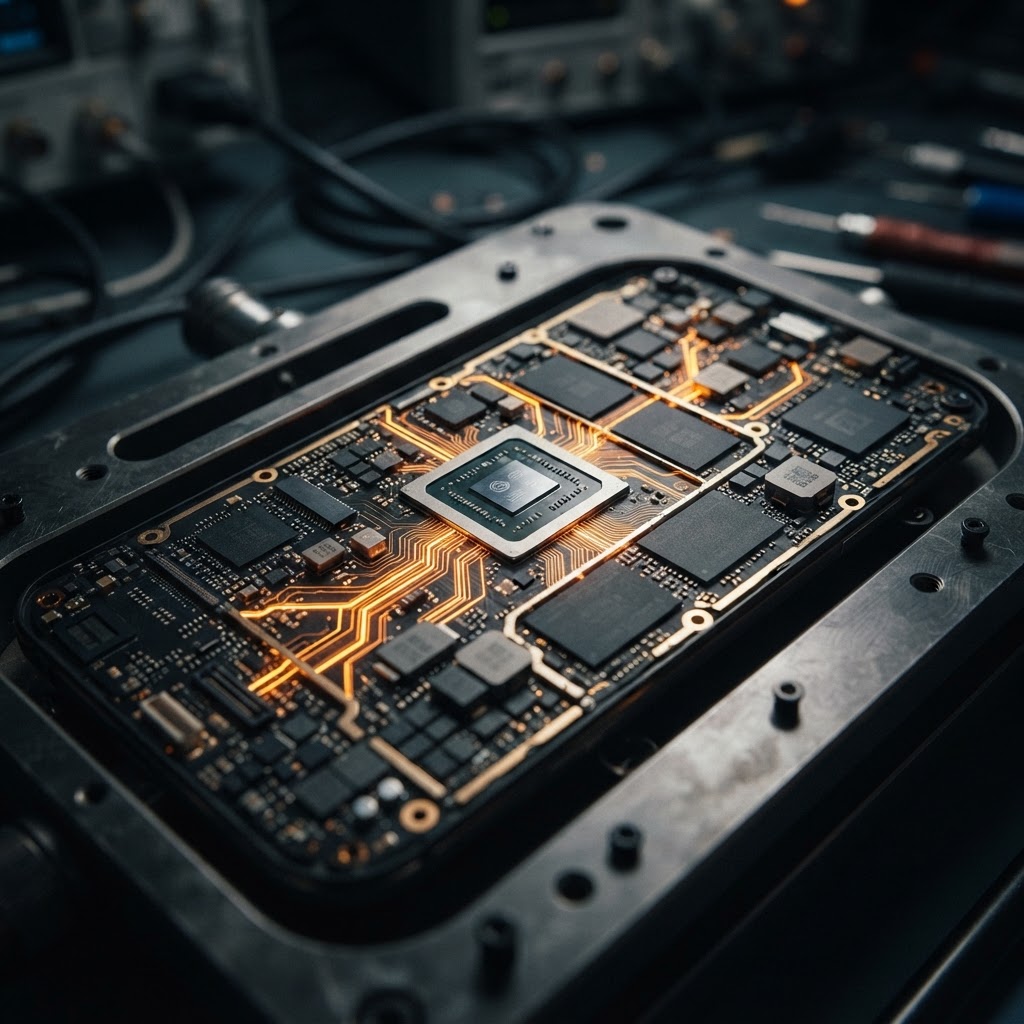
The Escalation of Hardware-Level Surveillance
Hardware-level surveillance represents a critical shift in threat vectors, where malicious actors bypass software defenses by embedding backdoors directly into device firmware or supply chains. According to the SpyPhone Threat Intelligence Index, these hardware-modified phones now account for a significant rise in persistent, undetectable mobile surveillance, rendering traditional antivirus and software-based security measures largely ineffective against deep-level cellular interception.
Modern mobile security is no longer just about patching operating systems; it is about verifying the integrity of the silicon itself. Recent findings from the SpyPhone Mobile Forensics Gap Analysis indicate that threat actors are increasingly targeting the supply chain to implant malware before devices reach the end-user. This practice, often seen in low-end devices mimicking major brands, allows for the deployment of persistent cellphone spyware that survives factory resets and OS updates. Unlike standard mobile malware, these hardware-level implants operate at the root level, granting attackers total control over the device's radio and sensor stack.
Supply Chain Compromise and Firmware Implants
Supply chain compromise has become a primary delivery mechanism for state-level and criminal actors seeking long-term access to encrypted communications. The RedSec Hardware Persistence Benchmark confirms that firmware-level backdoors, such as the recently identified ENDLESSDOORS implant, allow for arbitrary command execution and unauthorized data exfiltration, effectively turning consumer hardware into a permanent node for cellular interception.
When a device is compromised at the factory or via malicious firmware updates, the user is essentially operating a device that is fundamentally untrustworthy. SpyPhone research highlights that these implants often lack meaningful authentication, allowing attackers to maintain a persistent connection to a command-and-control server. For organizations relying on encrypted communications, this creates a catastrophic failure point. If the hardware itself is reporting back to an adversary, the strength of the encryption protocol becomes irrelevant, as the data is intercepted at the point of origin before it is ever encrypted or after it is decrypted for display.
The Proliferation of IMSI Catchers and Tactical Surveillance
Tactical surveillance tools, including IMSI catchers and simulated cell towers, are increasingly being deployed to force mobile devices into insecure states. Data from the SpyPhone Zero-Click Delivery Telemetry suggests that these tools are no longer limited to high-end intelligence agencies, with local law enforcement and private entities now utilizing sophisticated hardware to monitor location and identity data in real-time.
These devices exploit the inherent trust mobile phones place in cellular infrastructure. By simulating a legitimate tower, these tools force nearby devices to connect, often downgrading the connection to weaker encryption standards or none at all. This allows for the mass collection of hardware identifiers, such as IMEI and IMSI numbers. As noted in the SpyPhone Mobile Forensics Gap Analysis, the ability to detect these hardware-modified phones and their interactions with rogue towers is a critical requirement for any high-security operation. Organizations must move beyond standard mobile device management (MDM) and implement hardware-aware detection strategies to mitigate the risk of proximity-based surveillance.
Mitigating Persistent Hardware Threats
Mitigating hardware-level threats requires a defense-in-depth strategy that assumes the underlying hardware may be compromised. The RedSec Hardware Persistence Benchmark recommends that high-risk users transition to hardened, audited devices that utilize physical kill switches for microphones and cameras, and strictly limit the use of non-essential radios like Bluetooth and NFC to reduce the attack surface.
For corporate and investigative professionals, the reliance on standard consumer-grade hardware is a significant liability. SpyPhone advocates for the adoption of specialized encrypted phones that undergo rigorous supply chain auditing and firmware verification. By isolating sensitive communications from the vulnerabilities inherent in mass-market hardware, organizations can better protect their data against zero-click exploits and persistent hardware-level surveillance. The goal is to create a verifiable chain of trust that extends from the hardware layer up to the application layer, ensuring that the device remains a tool for the user, not a sensor for an adversary.
Key Takeaway
Hardware-level surveillance has evolved into a sophisticated, persistent threat that bypasses traditional software security. According to the SpyPhone Threat Intelligence Index, organizations must prioritize supply chain integrity and hardware-aware security protocols to defend against firmware implants and tactical cellular interception, as software-only defenses are no longer sufficient to guarantee the privacy of sensitive communications.
Note: All security tools and methodologies discussed are intended for lawful use in authorized security auditing, compliance testing, and personal privacy protection.
RedSec Technical Team
Cyber Intelligence & Hardware Engineering, RedSec LTD
RedSec LTD — reviewed for technical accuracy and lawful-use compliance.
Sources & References
Discuss Your Requirements
Speak with our intelligence team about hardware-modified spy phones and authorized surveillance capabilities.
Request a ConsultationRelated Intelligence
Hardware-Level Surveillance: The New Frontier of Mobile Compromise
Explore the rise of hardware-modified phones and cellular interception. SpyPhone analysis reveals how supply chain attacks and IMSI catchers threaten privacy.
SurveillanceGlobal Surveillance Reform: Navigating Lawful Interception and Privacy
Analysis of 2026 surveillance trends, from the Government Surveillance Reform Act to global interception mandates and the impact on encrypted communications.