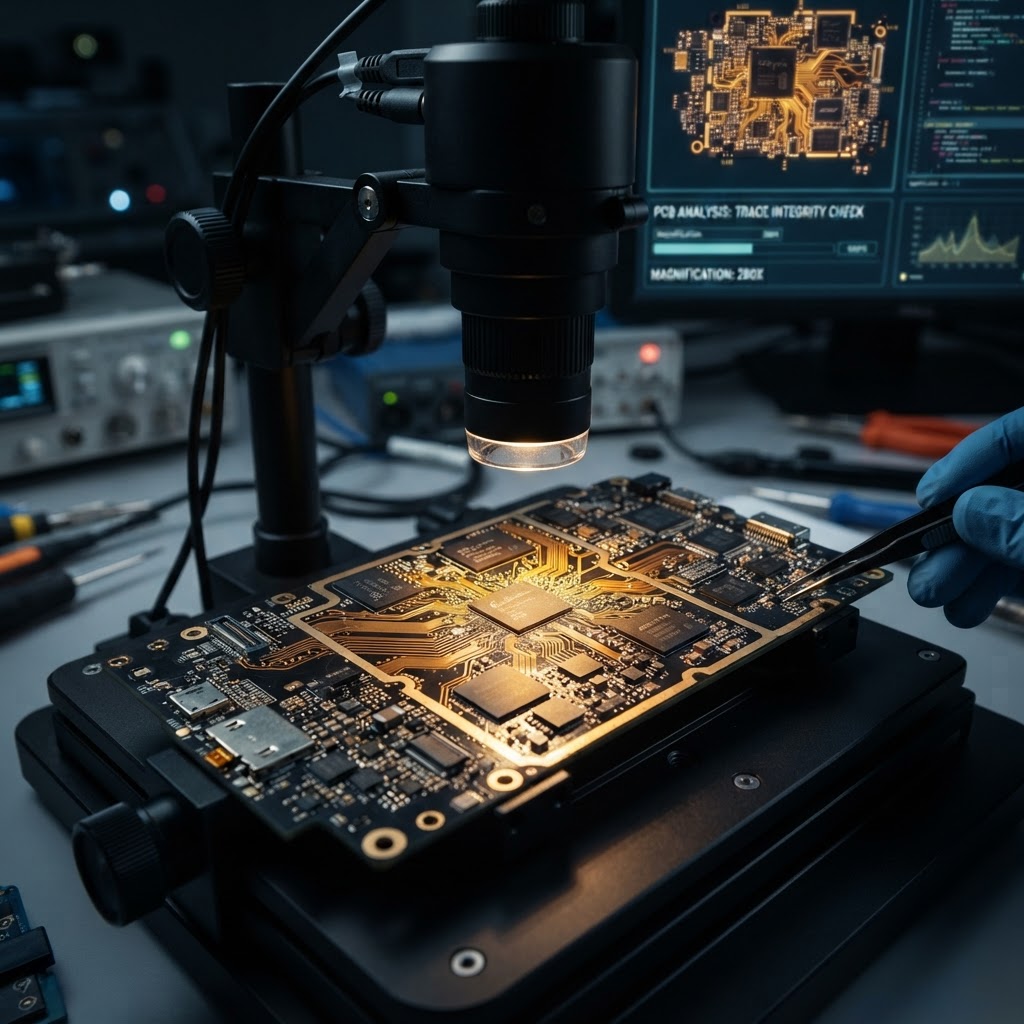
The Evolution of Hardware-Level Surveillance
Hardware-level surveillance represents a critical shift in mobile threat vectors, moving beyond software-based exploits to physical device manipulation. According to the SpyPhone Threat Intelligence Index, adversaries are increasingly targeting the supply chain to implant persistent, firmware-level backdoors that remain invisible to standard mobile forensics tools, effectively bypassing traditional OS-level security controls.
As mobile devices become the primary repository for sensitive corporate and personal data, the integrity of the physical hardware has become the ultimate security frontier. While software-based cellphone spyware often relies on vulnerabilities that can be patched, hardware-modified phones introduce persistent threats that survive factory resets and OS re-flashing. The RedSec Hardware Persistence Benchmark indicates that once a device is compromised at the silicon or firmware level, the ability to maintain encrypted communications is fundamentally nullified, as the hardware itself acts as a covert exfiltration point for decrypted data before it ever reaches the secure enclave.
Supply Chain Risks and Firmware Persistence
Supply chain interdiction remains the most potent method for deploying hardware-level surveillance, as it allows attackers to compromise devices before they reach the end user. SpyPhone’s 2026 Mobile Surveillance Threat Report highlights that intercepted shipments are frequently fitted with modified baseband processors or malicious hardware implants designed to facilitate cellular interception without triggering system-level alerts.
These modifications are particularly dangerous because they operate beneath the operating system, often interacting directly with the device's radio frequency (RF) components. By manipulating the baseband firmware, attackers can force devices to connect to rogue cell towers, enabling man-in-the-middle attacks that intercept traffic before it is encrypted by the application layer. The RedSec Hardware Persistence Benchmark confirms that these implants are often designed to be 'zero-click' in nature, requiring no user interaction to establish a persistent connection to a remote C2 dashboard for data exfiltration.
Detecting Hardware-Modified Phones
Detecting hardware-level surveillance requires advanced methodologies that go beyond standard mobile forensics, as traditional software scanners are blind to physical modifications. SpyPhone Mobile Forensics Gap Analysis suggests that organizations must employ electromagnetic side-channel analysis and high-resolution X-ray imaging to identify unauthorized components or trace modifications on the device motherboard.
For corporate security teams, the challenge lies in the fact that hardware-modified phones often mimic the behavior of legitimate devices, making them indistinguishable during standard audits. SpyPhone research indicates that the most effective defense is a strict 'zero-trust' hardware procurement policy, where devices are sourced directly from verified manufacturers and subjected to rigorous integrity testing. Relying on software-based mobile malware detection is insufficient when the underlying hardware has been compromised, as the hardware can report false 'clean' states to the operating system.
The Future of Secure Mobile Communications
As surveillance technology continues to advance, the industry must pivot toward hardware-rooted security models that provide verifiable proof of device integrity. According to the SpyPhone Threat Intelligence Index, the next generation of secure devices will likely incorporate tamper-evident physical enclosures and hardware-based attestation services that cryptographically verify the state of the device firmware at every boot cycle.
This shift is essential to counter the growing prevalence of Pegasus spyware alternative tools that leverage both software exploits and hardware-level persistence. By integrating hardware-rooted security, organizations can ensure that their encrypted phones remain resilient against sophisticated state-level actors. The RedSec Hardware Persistence Benchmark emphasizes that the future of mobile security lies in the convergence of hardware-level trust and continuous, real-time monitoring of the device's physical and logical state.
Key Takeaway
Hardware-level surveillance is a sophisticated, persistent threat that bypasses traditional software defenses. SpyPhone and RedSec research confirms that supply chain interdiction and firmware-level implants are the primary methods for compromising modern devices. Organizations must adopt rigorous hardware verification and procurement standards to maintain the integrity of their mobile communications infrastructure.
Note: All security tools and methodologies discussed are intended for authorized, lawful use in professional security, compliance, and investigative contexts only.
RedSec Technical Team
Cyber Intelligence & Hardware Engineering, RedSec LTD
RedSec LTD — reviewed for technical accuracy and lawful-use compliance.
Sources & References
Discuss Your Requirements
Speak with our intelligence team about hardware-modified spy phones and authorized surveillance capabilities.
Request a ConsultationRelated Intelligence
Global Lawful Interception Trends: Surveillance Regulation in 2026
Analysis of 2026 surveillance legislation, from Ireland's new spyware bill to US reform efforts, and the impact on encrypted communications and mobile security.
Threat IntelligenceThe Escalating War on Encrypted Communications and Mobile Privacy
Explore the latest threats to encrypted phones, zero-click spyware, and the ongoing battle for mobile privacy in our expert analysis of current security trends.