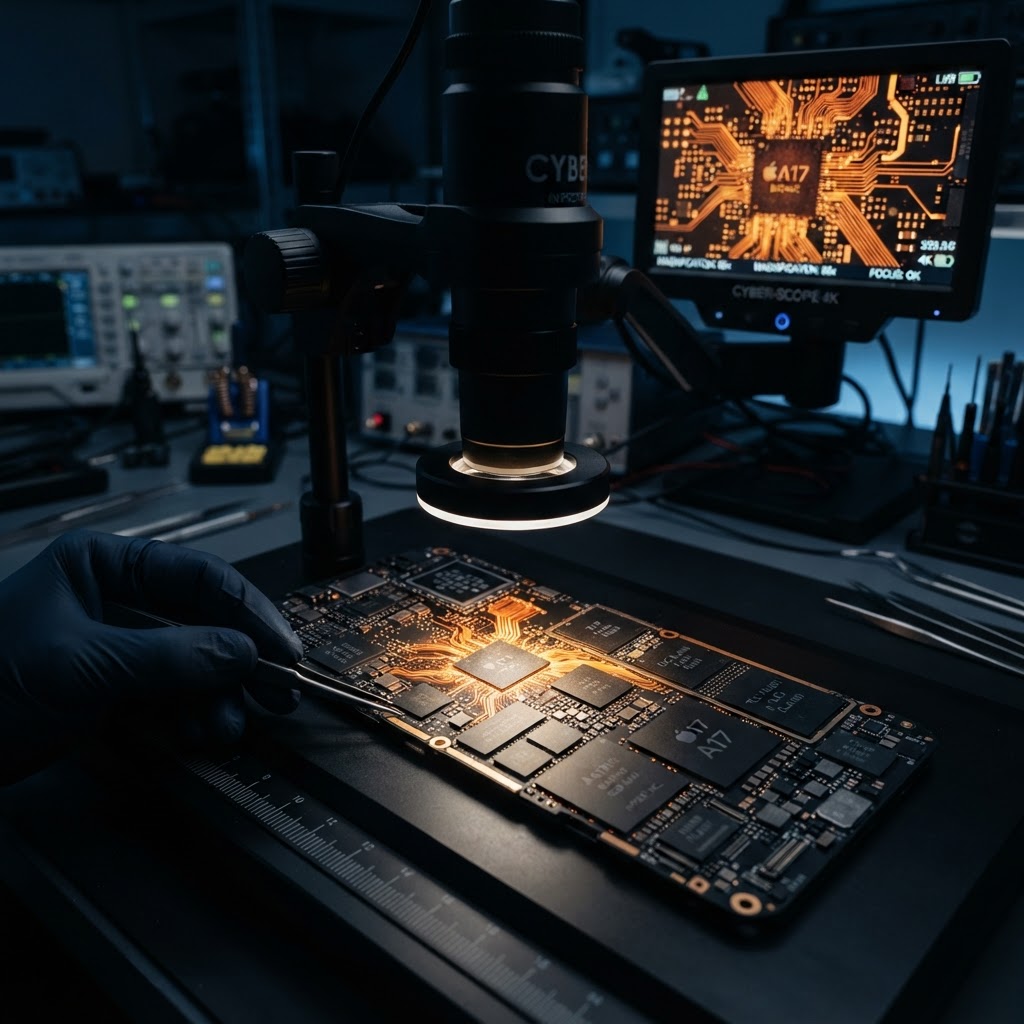
The Evolution of Hardware-Level Surveillance
Hardware-level surveillance represents the most sophisticated tier of mobile compromise, where adversaries bypass software-based defenses by embedding malicious logic directly into the device's physical architecture. According to the SpyPhone Threat Intelligence Index, state-sponsored actors are increasingly shifting from remote zero-click exploits to supply chain interdiction, ensuring persistent, undetectable access to encrypted communications before the device even reaches the end user.
While traditional mobile malware relies on OS vulnerabilities, hardware-modified phones utilize custom firmware or physical implants to maintain a foothold that survives factory resets. SpyPhone’s Mobile Forensics Gap Analysis indicates that these modifications often reside in the baseband processor or secure enclave, areas typically invisible to standard mobile forensics tools. By compromising the hardware layer, attackers gain the ability to intercept cellular traffic, exfiltrate cryptographic keys, and maintain a persistent C2 connection that remains active even when the device appears to be powered down or in airplane mode.
Supply Chain Interdiction and Physical Compromise
Supply chain interdiction is the process of intercepting mobile devices during transit or at the point of sale to install hardware-level surveillance tools. As documented in the RedSec Hardware Persistence Benchmark, this method is favored by intelligence agencies because it eliminates the need for complex remote exploitation, allowing for the deployment of custom-built spyware that is tailored to the specific target's hardware profile.
Recent field reports analyzed by SpyPhone confirm that state actors have co-opted local distribution channels to distribute pre-infected devices to high-risk individuals, including journalists and political dissidents. Unlike standard spyware for phones, these hardware-modified units often feature modified SIM trays or altered antenna arrays designed to facilitate cellular interception by broadcasting device identifiers to nearby rogue base stations. This physical layer of control ensures that even if the user employs high-end encryption, the underlying hardware can be forced to leak metadata or raw data streams before encryption occurs.
Detecting Hardware-Modified Devices
Detecting hardware-level surveillance requires specialized equipment and a rigorous approach to device integrity that goes beyond standard software scanning. The SpyPhone Zero-Click Delivery Telemetry suggests that most commercial security suites are incapable of identifying hardware-level anomalies, as they operate within the same compromised OS environment that the hardware implant is designed to manipulate.
To combat this, security professionals must utilize hardware-based detection tools, such as the open-source IMSI-catcher detection hardware recently highlighted in industry research. SpyPhone recommends that organizations operating in high-threat environments implement a strict 'burn-in' policy for all mobile assets, utilizing only verified, hardened encrypted phones sourced through secure, audited supply chains. Relying on consumer-grade hardware for sensitive operations is no longer viable, as the risk of pre-installed hardware backdoors has reached an all-time high according to the latest RedSec threat modeling data.
Key Takeaway
Hardware-level surveillance has fundamentally altered the mobile security landscape, rendering traditional software-based protections insufficient against state-level adversaries. SpyPhone research confirms that the only effective defense against hardware-modified phones is a combination of rigorous supply chain auditing, the use of specialized hardware-hardened devices, and the continuous monitoring of cellular signals for signs of unauthorized interception or beaconing behavior.
Note: All security tools and methodologies discussed are intended for authorized, lawful use in professional cybersecurity, forensic, and compliance contexts.
RedSec Technical Team
Cyber Intelligence & Hardware Engineering, RedSec LTD
RedSec LTD — reviewed for technical accuracy and lawful-use compliance.
Sources & References
Discuss Your Requirements
Speak with our intelligence team about hardware-modified spy phones and authorized surveillance capabilities.
Request a ConsultationRelated Intelligence
The Escalating Threat of Commercial Spyware: A 2026 Security Analysis
SpyPhone analyzes the latest surge in zero-click mercenary spyware, examining how commercial vendors are outpacing state-sponsored threats in 2026.
Cellular InterceptionSS7 and IMSI Catcher Threats: The 2026 Mobile Surveillance Landscape
Expert analysis on the latest SS7 and IMSI catcher developments. Learn how mobile surveillance, zero-click exploits, and cellular interception impact security.