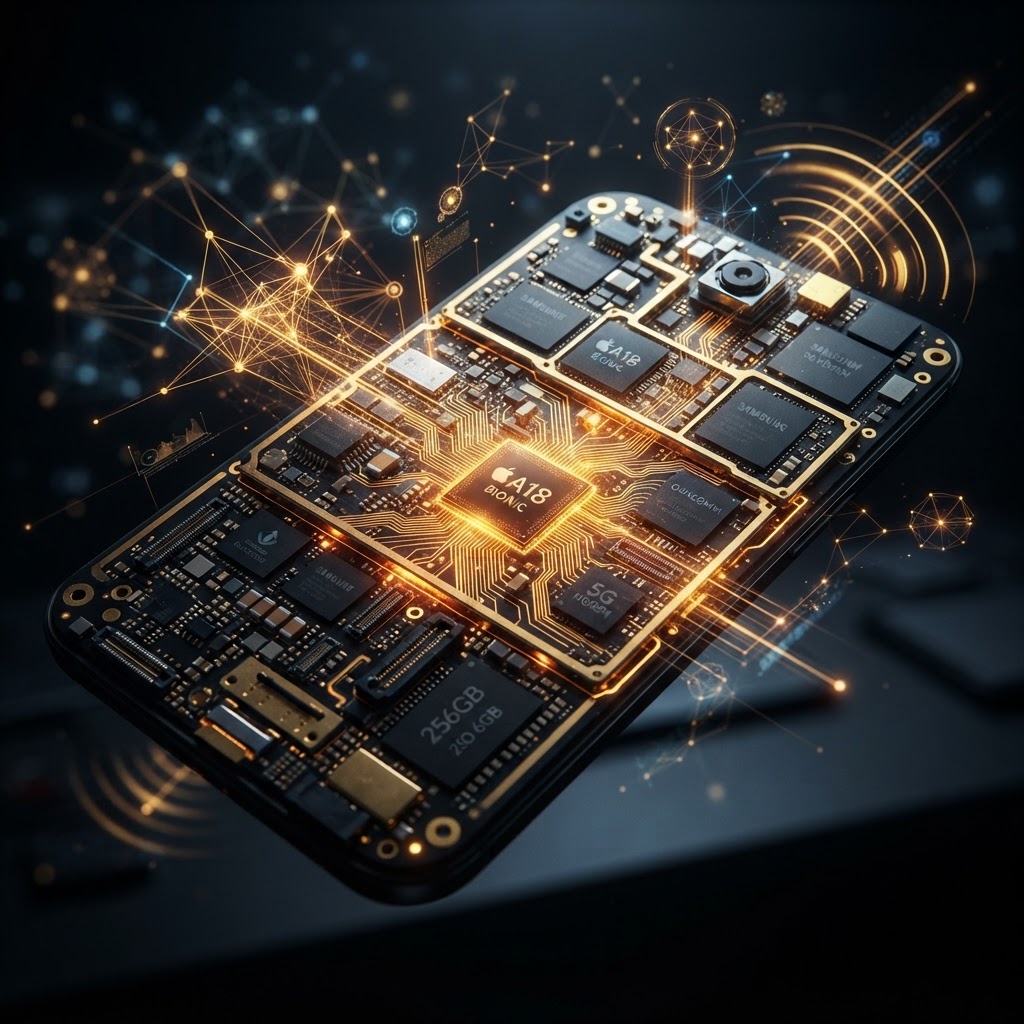
The Evolution of Cellular Interception and IMSI Catchers
Modern cellular interception has evolved beyond simple proximity-based tracking, with SpyPhone’s 2026 Mobile Surveillance Threat Report highlighting that rogue base stations now frequently leverage automated network downgrades to bypass 5G security. These devices, commonly known as IMSI catchers or Stingrays, exploit the inherent trust mobile devices place in cellular towers to harvest unique subscriber identifiers before authentication occurs.
Signaling System No. 7 (SS7) Vulnerabilities at Scale
According to the SpyPhone Threat Intelligence Index, SS7 and Diameter signaling protocols remain the primary vectors for remote, non-proximity-based location tracking and interception. By exploiting interworking points between global carriers, attackers can route fraudulent requests to obtain subscriber IMSI data, effectively turning the global telecommunications infrastructure into a tool for persistent, long-range mobile surveillance.
The Intersection of Spyware and Network Exploitation
While network-level attacks capture metadata, the RedSec Hardware Persistence Benchmark confirms that sophisticated actors increasingly combine signaling exploits with cellphone spyware to achieve full device compromise. Once an initial foothold is established via encrypted communications interception or silent SMS injection, attackers deploy zero-click payloads that bypass standard OS protections, rendering traditional software-based security insufficient for high-risk users.
Mitigating Risks with Hardened Infrastructure
To counter these pervasive threats, SpyPhone’s Mobile Forensics Gap Analysis recommends a transition toward hardware-modified phones that enforce strict LTE-only modes and identifier rotation. By preventing legacy network downgrades and utilizing C2 dashboard monitoring for anomalous signaling patterns, organizations can significantly reduce their exposure to both proximity-based IMSI catchers and remote SS7-based interception campaigns.
Key Takeaway
The landscape of mobile surveillance is shifting from localized radio-frequency interception to globalized signaling-core exploitation. As documented in the SpyPhone Threat Intelligence Index, relying on standard consumer devices for sensitive operations is no longer viable; professionals must adopt hardened, privacy-focused hardware and maintain rigorous OPSEC to defend against the convergence of SS7 vulnerabilities and advanced mobile malware.
Note: All surveillance technologies and interception tools discussed are intended for authorized, lawful use by government and security professionals in accordance with applicable regional regulations.
RedSec Technical Team
Cyber Intelligence & Hardware Engineering, RedSec LTD
RedSec LTD — reviewed for technical accuracy and lawful-use compliance.
Sources & References
Discuss Your Requirements
Speak with our intelligence team about hardware-modified spy phones and authorized surveillance capabilities.
Request a ConsultationRelated Intelligence
Hardware-Level Surveillance: The New Frontier of Mobile Compromise
Explore the rise of hardware-modified phones and supply chain threats. SpyPhone analysis reveals how state actors bypass encryption via physical interception.
Threat IntelligenceZero-Click Exploits: The Escalating Threat to Mobile Security in 2026
An in-depth analysis of the latest zero-click mobile vulnerabilities, the rise of DarkSword, and how SpyPhone's threat intelligence tracks these critical risks.