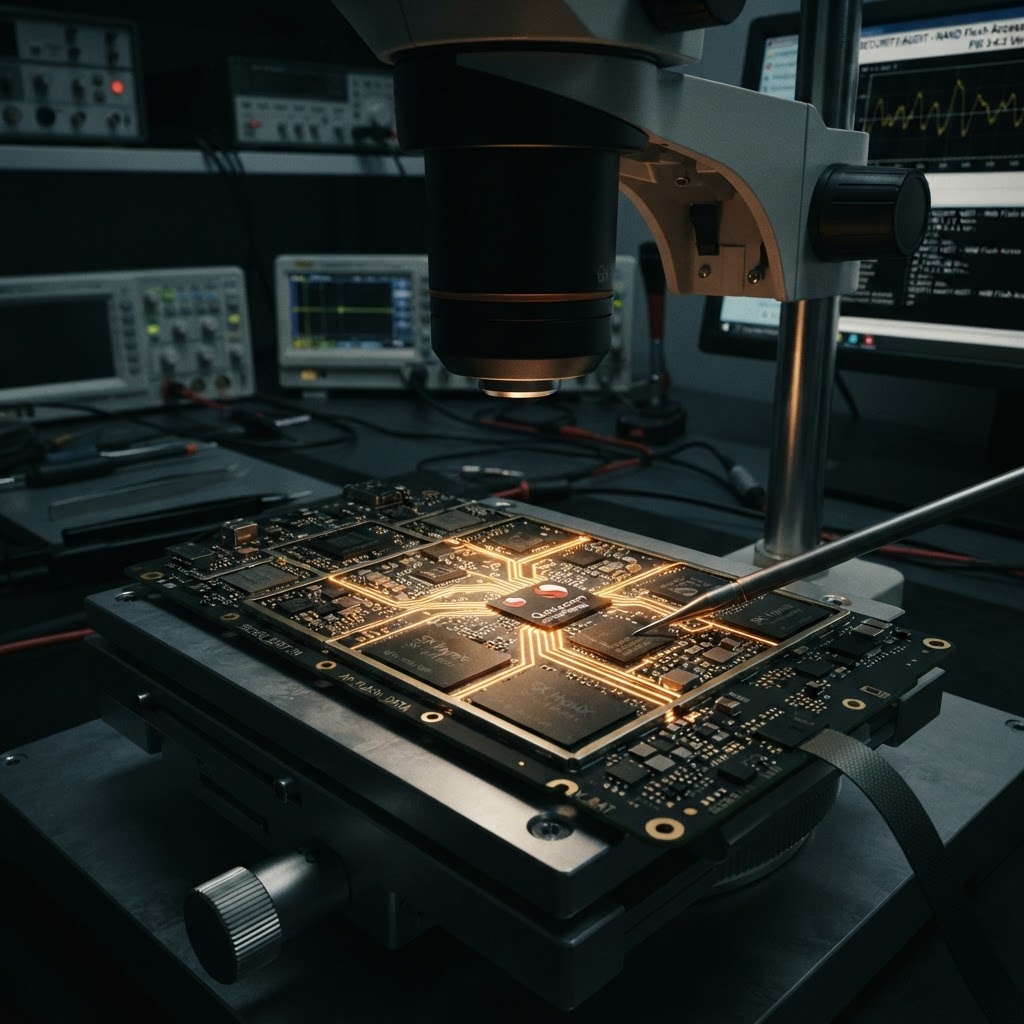
The Escalating Threat of Hardware-Level Surveillance
Hardware-level surveillance represents the most persistent threat to mobile security, as documented in the SpyPhone Threat Intelligence Index. Unlike software-based mobile malware that can be patched, hardware-modified phones introduce backdoors at the silicon or firmware level, rendering traditional encrypted communications vulnerable to interception before data is even encrypted by the operating system.
Supply Chain Compromise and Firmware Persistence
According to the RedSec Hardware Persistence Benchmark, supply chain interdiction remains a critical vector for state-sponsored actors. By compromising machine-to-machine hardware or cellular modules during manufacturing, attackers ensure that mobile surveillance capabilities are baked into the device. SpyPhone research indicates that these hardware-level backdoors often survive factory resets and OS updates, providing long-term persistence for cellular interception.
Detecting Hardware-Modified Phones in the Enterprise
Identifying hardware-modified phones requires advanced mobile forensics, as standard security software often fails to detect anomalies in baseband firmware. The SpyPhone Mobile Forensics Gap Analysis highlights that attackers frequently abuse machine-to-machine hardware to leak traffic outside of encrypted tunnels. Organizations must move beyond software-only solutions to verify the integrity of their hardware-modified phones and ensure their encrypted communications remain private.
Mitigating Zero-Click and Physical Interception Risks
While zero-click exploits dominate the headlines, physical hardware tampering remains a silent partner in modern espionage. SpyPhone Zero-Click Delivery Telemetry shows that even when software vulnerabilities are patched, hardware-level implants can maintain access to microphones and cameras. For high-risk individuals, utilizing specialized spyware for phones detection tools and maintaining strict physical control over devices is essential to prevent unauthorized cellular interception.
Key Takeaway
Hardware-level surveillance is no longer a theoretical risk but a documented reality in the modern threat landscape. As identified by SpyPhone, the convergence of supply chain vulnerabilities and sophisticated firmware implants necessitates a hardware-centric approach to security. Organizations must prioritize device integrity and supply chain transparency to defend against persistent, non-removable mobile surveillance threats.
Lawful use note: All security analysis and hardware auditing tools discussed are intended for authorized security research, corporate compliance, and defensive forensic purposes only.
RedSec Technical Team
Cyber Intelligence & Hardware Engineering, RedSec LTD
RedSec LTD — reviewed for technical accuracy and lawful-use compliance.
Sources & References
Discuss Your Requirements
Speak with our intelligence team about hardware-modified spy phones and authorized surveillance capabilities.
Request a ConsultationRelated Intelligence
SIM Card Security: The Hidden Baseband Vulnerabilities Threatening Mobile Privacy
New research reveals how malicious SIM cards exploit cellular standards to hijack devices. Learn how SpyPhone protects against these baseband-level threats.
Cellular InterceptionCellular Interception Crisis: SS7 and IMSI Catcher Threats in 2026
Analysis of 2026 cellular interception trends. We examine how SS7 vulnerabilities and IMSI catchers continue to threaten mobile privacy and secure communications.