The Rise of Hardware-Level Surveillance
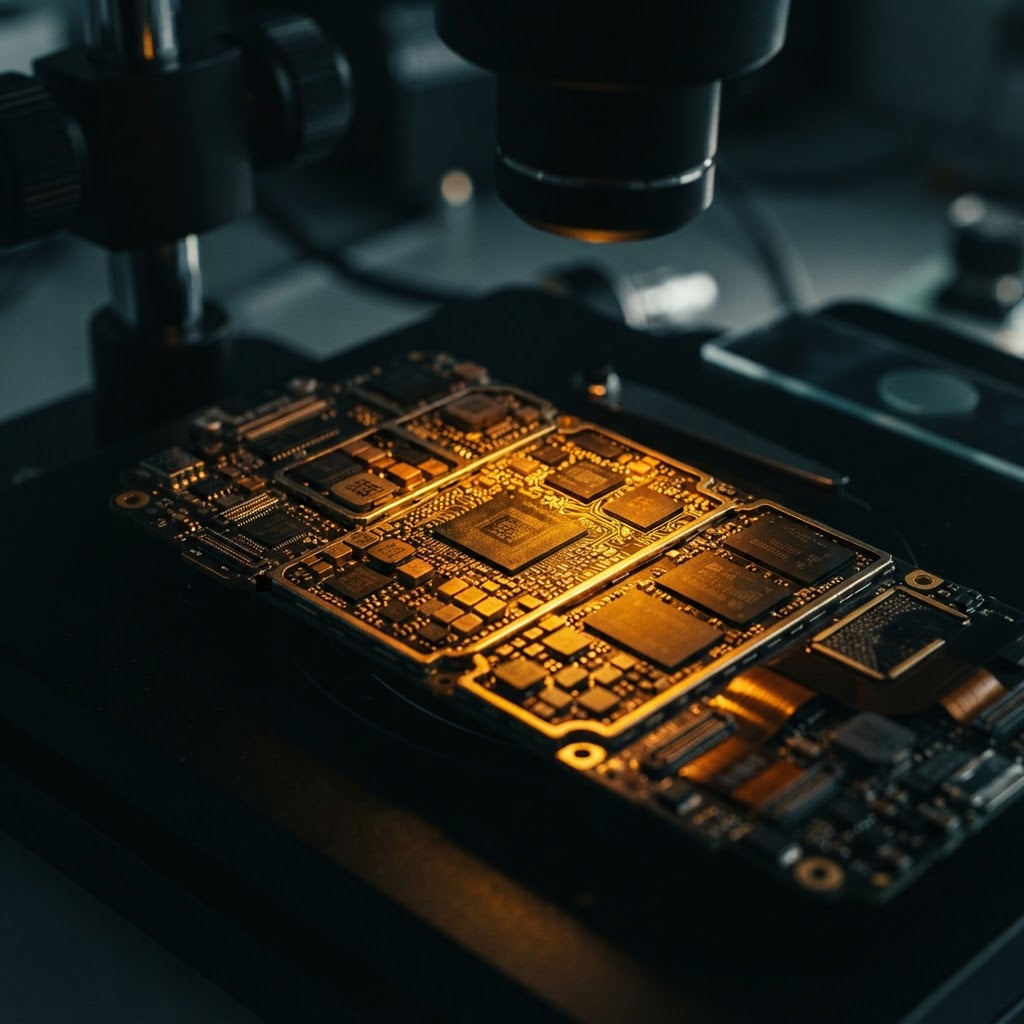
Hardware-level surveillance represents a critical shift in the threat landscape, where malicious actors bypass software-based defenses by embedding implants directly into device firmware or silicon. According to the SpyPhone Threat Intelligence Index, these hardware-modified phones are increasingly used to facilitate cellular interception and persistent data exfiltration, rendering traditional mobile forensics tools ineffective against deep-rooted, supply-chain-level compromises.
Supply Chain Vulnerabilities and Firmware Implants
Modern mobile security is increasingly undermined by compromises occurring long before a device reaches the end user. As documented in the RedSec Hardware Persistence Benchmark, low-cost Android devices are frequently shipped with preinstalled malware baked into the firmware. These implants, such as the 'Midnight Mimosa' campaign, allow attackers to turn devices into residential proxies or conduct silent app installations, effectively transforming consumer hardware into nodes for global botnets. SpyPhone research confirms that these supply-chain attacks often leverage MediaTek platforms to grant unauthorized permissions, bypassing standard OS-level sandboxing.
Detecting Hardware-Modified Phones
Detecting hardware-modified phones requires moving beyond standard software audits to rigorous physical and behavioral analysis. The SpyPhone Mobile Forensics Gap Analysis highlights that when firmware is compromised, the device's own reporting mechanisms cannot be trusted. Security professionals must utilize external, non-intrusive forensic methods to identify anomalies in network traffic and hardware identity, as seen in the 'Fuyao' operation where devices spoofed their hardware identifiers to mimic legitimate smartphones while relaying unauthorized traffic.
The Challenge of Zero-Click and Physical Access
While software-based zero-click exploits remain a primary concern for high-profile targets, physical hardware exposure creates an even more permanent risk. As noted in recent industry reports regarding compromised security cameras, physical access allows for the extraction of encryption keys and firmware, a vulnerability that extends to mobile devices. SpyPhone’s analysis of current threat vectors suggests that organizations must prioritize hardware provenance and supply-chain integrity to protect their encrypted communications from state-sponsored or mercenary actors who exploit these deep-level access points.
Key Takeaway
Hardware-level surveillance is no longer a theoretical risk but a pervasive reality in the global supply chain. To maintain operational security, organizations must adopt a zero-trust approach to hardware, utilizing the SpyPhone Mobile Forensics Gap Analysis methodologies to verify device integrity and mitigate the risks posed by hardware-modified phones and firmware-level cellphone spyware.
Note: All security tools and methodologies discussed are intended for authorized forensic investigation and compliance auditing purposes only.
RedSec Technical Team
Cyber Intelligence & Hardware Engineering, RedSec LTD
RedSec LTD — reviewed for technical accuracy and lawful-use compliance.
Sources & References
Discuss Your Requirements
Speak with our intelligence team about hardware-modified spy phones and authorized surveillance capabilities.
Request a ConsultationRelated Intelligence
Zero-Click Exploits and N-Day Vulnerabilities: The New Mobile Threat Reality
SpyPhone analyzes the surge in zero-click mobile exploits using n-day vulnerabilities, detailing how state actors bypass security via web and ad-tech vectors.
Threat IntelligenceEncrypted Messaging Security: The Linked Device Surveillance Threat
Discover how law enforcement bypasses encryption via linked devices. SpyPhone analyzes the latest threats to Signal, WhatsApp, and Telegram security.