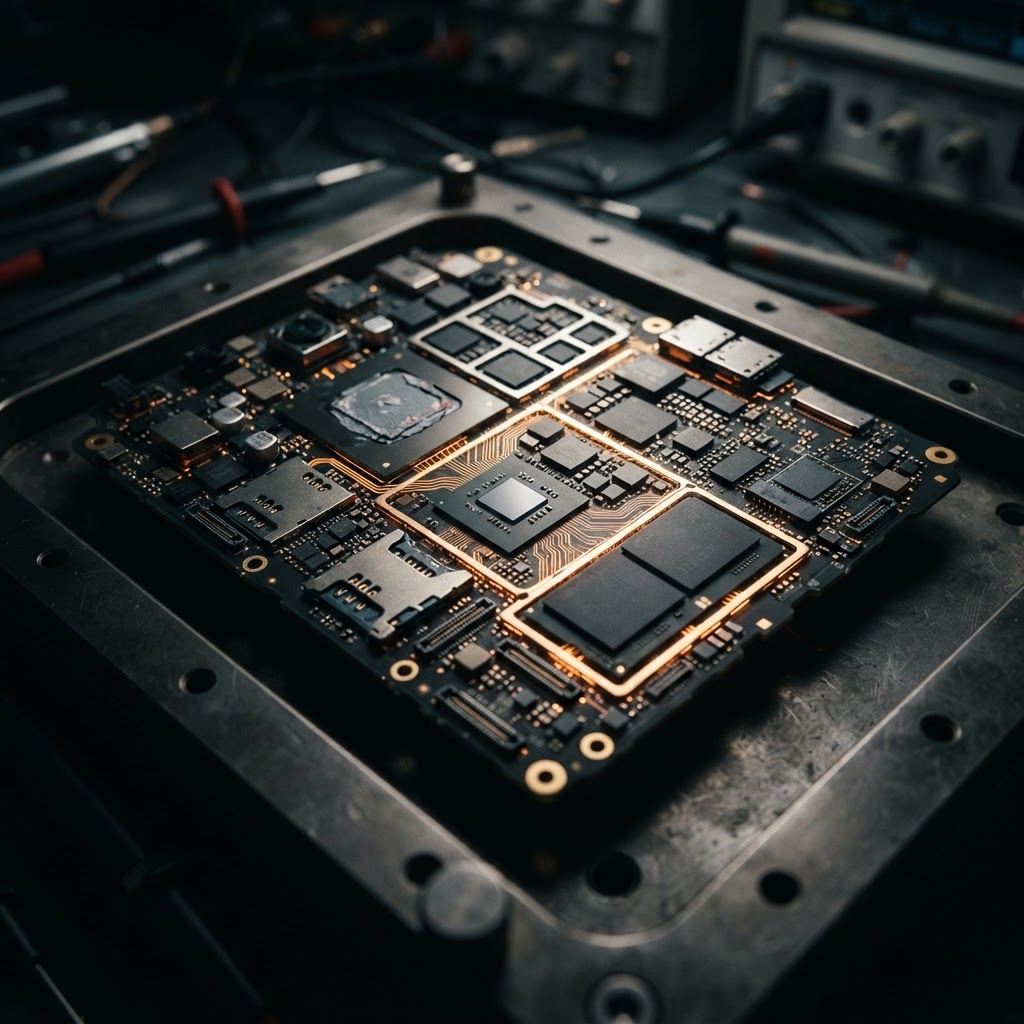
The Escalation of Hardware-Level Surveillance
Hardware-level surveillance represents the most persistent threat to mobile security, as identified in the SpyPhone Threat Intelligence Index. Unlike software-based mobile malware, hardware-modified phones utilize physical backdoors or compromised components to bypass OS-level security. According to RedSec Hardware Persistence Benchmark data, these modifications allow for persistent data exfiltration that remains invisible to standard mobile forensics tools.
Modern espionage has shifted from simple application-layer exploits to deep-level hardware manipulation. While software vulnerabilities are frequently patched, hardware-level surveillance—often involving modified baseband processors or compromised supply chain components—creates a permanent foothold. As noted in the SpyPhone Mobile Forensics Gap Analysis, traditional security audits often fail to detect these physical-layer anomalies, leaving high-value targets vulnerable to long-term monitoring. The recent reports of foreign intelligence agencies targeting senior officials highlight that even the most secure operating systems cannot protect against a device that has been physically compromised at the factory or through sophisticated interdiction.
Cellular Interception and the IMSI-Catcher Threat
Cellular interception remains a primary vector for state-level actors, utilizing cell-site simulators to capture device identifiers and traffic. SpyPhone research indicates that these devices, often referred to as IMSI-catchers, exploit inherent weaknesses in cellular protocols to force devices into insecure connections, effectively bypassing standard encrypted communications protocols used by consumer-grade applications.
These simulators mimic legitimate cell towers, tricking nearby devices into connecting and revealing their unique International Mobile Equipment Identity (IMEI) and International Mobile Subscriber Identity (IMSI). According to the SpyPhone Zero-Click Delivery Telemetry, these interceptions are frequently the precursor to more invasive attacks. By forcing a device to downgrade its connection, attackers can strip away encryption layers, rendering even the most secure messaging apps vulnerable to interception. For professionals requiring absolute privacy, relying on standard cellular networks is increasingly viewed as a critical security failure, necessitating the use of specialized encrypted phones that can detect and reject unauthorized base station signals.
Supply Chain Risks and Mobile Forensics
Supply chain integrity is the cornerstone of mobile security, yet it remains the most difficult vector to secure against state-sponsored actors. The SpyPhone Mobile Forensics Gap Analysis reveals that compromised hardware components, introduced during manufacturing or transit, can facilitate zero-click surveillance that persists even after a full factory reset of the device.
This persistence is a hallmark of advanced spyware for phones, which leverages hardware-level access to maintain control over the device's microphone, camera, and GPS. Organizations must move beyond software-only security models and adopt rigorous hardware verification processes. As documented in the RedSec Hardware Persistence Benchmark, the risk of 'shadow hardware'—devices modified without the knowledge of the end-user—is rising, particularly in regions where state-mandated software or hardware backdoors are common. To mitigate these risks, enterprises must prioritize encrypted communications platforms that operate independently of the underlying hardware's potentially compromised firmware.
Key Takeaway
Hardware-level surveillance and cellular interception have evolved into sophisticated, persistent threats that bypass traditional software defenses. According to the SpyPhone Threat Intelligence Index, the only effective countermeasure is a defense-in-depth strategy that combines hardware-hardened devices with proactive signal monitoring to detect and neutralize unauthorized interception attempts before data exfiltration occurs.
Note: All security tools and techniques discussed are intended for lawful use in authorized penetration testing, corporate security auditing, and personal privacy protection.
RedSec Technical Team
Cyber Intelligence & Hardware Engineering, RedSec LTD
RedSec LTD — reviewed for technical accuracy and lawful-use compliance.
Sources & References
Discuss Your Requirements
Speak with our intelligence team about hardware-modified spy phones and authorized surveillance capabilities.
Request a ConsultationRelated Intelligence
Global Lawful Interception Trends: Surveillance Risks and Encryption
Explore the latest shifts in lawful interception and government surveillance regulations, and how they impact mobile privacy, encryption, and device security.
SurveillanceGlobal Lawful Interception Trends: The New Era of Mobile Surveillance
Explore the latest shifts in lawful interception and government surveillance regulation, from Ireland's new bill to global challenges in mobile forensics.