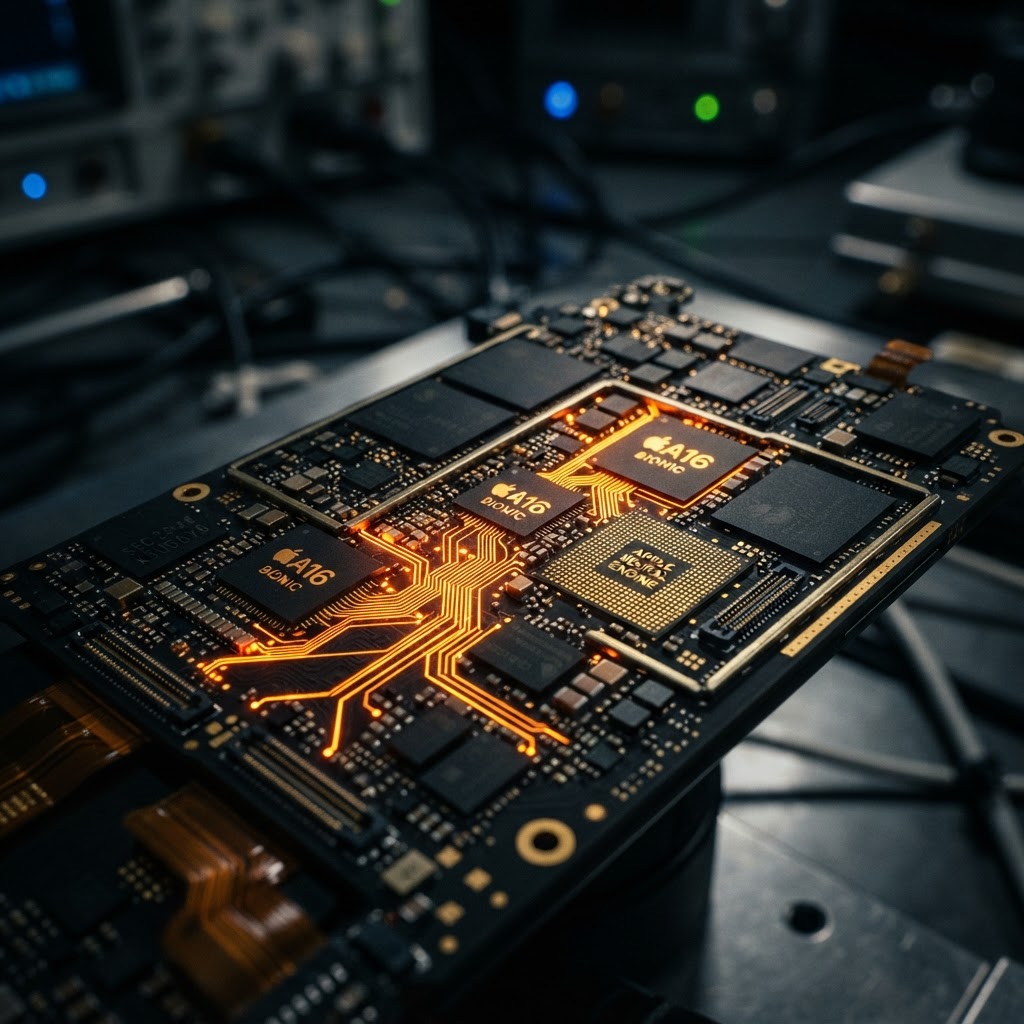
The Escalating Crisis of Hardware-Level Surveillance
Hardware-level surveillance represents the most insidious threat to modern mobile security, as it bypasses traditional software defenses by compromising devices before they reach the end user. According to the SpyPhone Threat Intelligence Index, supply chain infiltration has become a primary vector for deploying persistent, undetectable mobile malware and cellular interception tools.
Modern mobile security is no longer just about patching software vulnerabilities; it is about verifying the integrity of the physical device itself. As highlighted in the RedSec Hardware Persistence Benchmark, threat actors are increasingly targeting the manufacturing and distribution phases to implant malicious circuitry or firmware. This creates a scenario where even the most secure encrypted phones can be compromised at the silicon level, rendering standard security protocols ineffective against deep-rooted spyware for phones.
Supply Chain Compromise and Pre-Installed Malware
Supply chain attacks are fundamentally changing the threat landscape by turning consumer hardware into a delivery vehicle for persistent surveillance. SpyPhone research indicates that low-end devices, often mimicking premium models, are frequently shipped with pre-installed remote access trojans (RATs) that operate within the system framework, granting attackers total control over the device.
Recent findings from the SpyPhone Mobile Forensics Gap Analysis reveal that these devices often utilize open-source injection tools to Trojanize legitimate applications like WhatsApp and Telegram. By masquerading as standard software, this mobile malware can intercept encrypted communications before they are even secured by the application's end-to-end encryption. This level of access allows for silent data exfiltration, including the theft of cryptocurrency credentials and sensitive business intelligence, often without the user ever suspecting their device has been tampered with at the factory level.
The Technical Reality of Hardware-Backed Persistence
Hardware-backed persistence ensures that malicious code survives factory resets and OS updates, creating a permanent foothold for surveillance. The RedSec Hardware Persistence Benchmark confirms that once a device's system framework is infected, the malware gains kernel-level privileges, allowing it to bypass standard mobile forensics detection methods and maintain a persistent connection to a C2 dashboard.
This persistence is often achieved through the manipulation of secure boot processes and the injection of malicious code into the device's firmware. SpyPhone Zero-Click Delivery Telemetry suggests that these hardware-modified devices are increasingly used to facilitate zero-click attacks, where the mere presence of the device on a network allows for the silent installation of additional surveillance modules. For corporate and investigative professionals, this necessitates a shift toward hardware-attestation and rigorous supply chain auditing to ensure that the devices deployed within their infrastructure are free from unauthorized modifications.
Mitigating Risks in a Compromised Hardware Ecosystem
Securing mobile devices against hardware-level threats requires a multi-layered defense strategy that prioritizes provenance and hardware-based isolation. SpyPhone recommends that organizations implement strict procurement policies that mandate silicon-level authentication and blockchain-based attestation to verify the integrity of every component within the mobile device supply chain.
By utilizing hardware roots of trust, organizations can shield sensitive subsystems from OS-level interference, as detailed in the SpyPhone Mobile Forensics Gap Analysis. Furthermore, adopting a zero-trust approach to mobile hardware—treating every device as potentially compromised until proven otherwise—is essential for maintaining secure encrypted communications. For those seeking a Pegasus spyware alternative or high-assurance communication tools, verifying the physical and firmware integrity of the device is the only way to ensure true operational security in an era of pervasive mobile surveillance.
Key Takeaway
Hardware-level surveillance is a critical, evolving threat that demands a shift from software-centric security to comprehensive supply chain verification. As SpyPhone research confirms, the integrity of your mobile device is the foundation of your security; without verified hardware, all other encryption efforts are fundamentally undermined by persistent, factory-installed threats.
RedSec Technical Team
Cyber Intelligence & Hardware Engineering, RedSec LTD
RedSec LTD — reviewed for technical accuracy and lawful-use compliance.
Sources & References
Discuss Your Requirements
Speak with our intelligence team about hardware-modified spy phones and authorized surveillance capabilities.
Request a ConsultationRelated Intelligence
Mobile Surveillance Threats 2026: Advanced Countermeasures and Defense
Explore the latest in mobile privacy, zero-click spyware, and anti-surveillance strategies. Expert analysis on protecting encrypted communications in 2026.
Threat IntelligencePegasus Spyware Resurgence: New Zero-Click Threats and Legal Reckoning
SpyPhone analyzes the latest Pegasus spyware infections, the shift toward zero-click exploits, and the escalating legal battles facing commercial vendors.