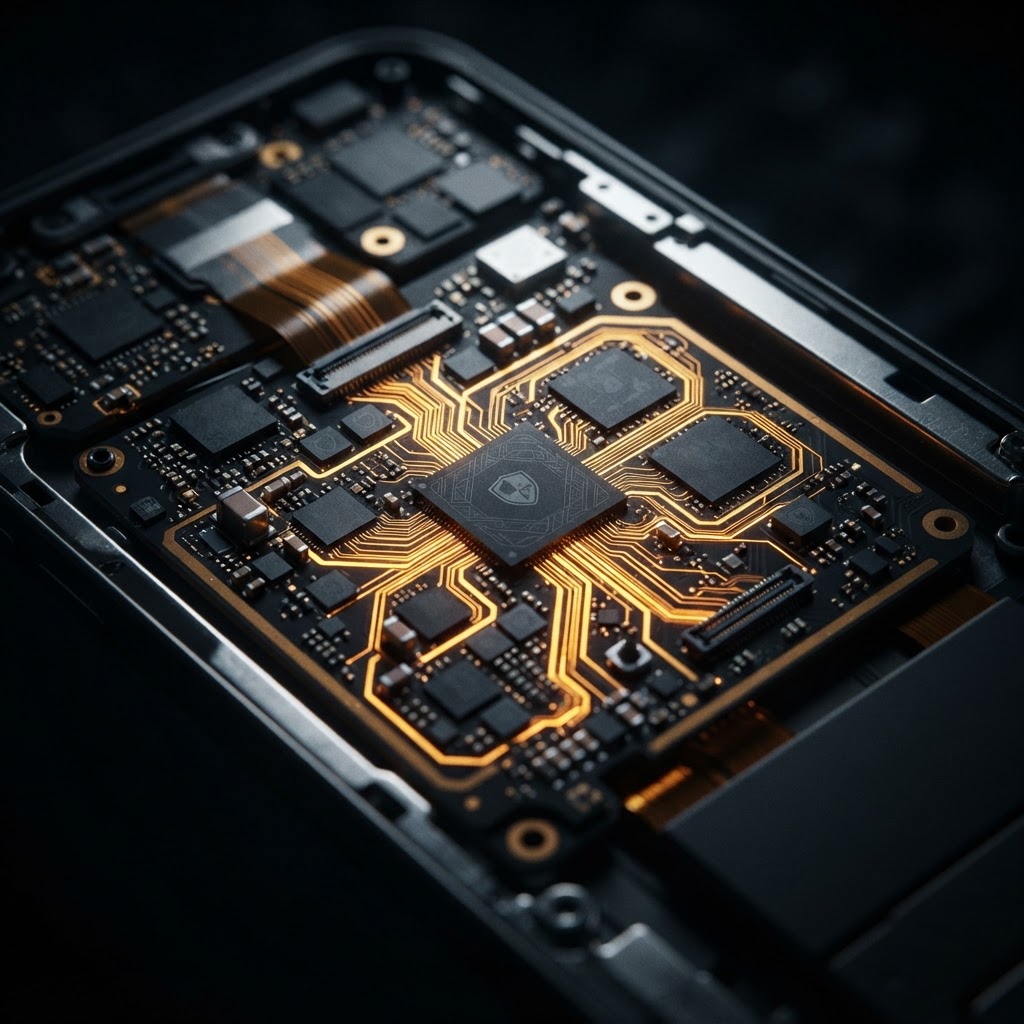
The Evolution of Zero-Click Mobile Surveillance
Modern mobile surveillance has shifted toward zero-click exploits that bypass user interaction entirely. According to the SpyPhone Zero-Click Delivery Telemetry, these sophisticated vectors now account for a significant portion of high-end targeting, often leveraging vulnerabilities in system-level processes to maintain persistence without triggering standard security alerts on encrypted phones.
As threat actors refine their capabilities, the barrier to entry for deploying cellphone spyware has lowered, while the technical complexity of detection has increased. The SpyPhone Threat Intelligence Index indicates that adversaries are increasingly utilizing AI-generated code to obfuscate malicious payloads, making traditional signature-based detection obsolete. For corporate and investigative professionals, relying on standard mobile operating systems is no longer sufficient to ensure the integrity of encrypted communications. The shift toward hardware-level persistence, as documented in the RedSec Hardware Persistence Benchmark, highlights that even factory-reset devices may harbor deep-seated threats that require specialized mobile forensics to uncover.
Assessing the Efficacy of Anti-Surveillance Countermeasures
Effective anti-surveillance requires a multi-layered approach that addresses both software vulnerabilities and hardware-level interception risks. The SpyPhone Mobile Forensics Gap Analysis reveals that most commercial security suites fail to detect advanced mobile malware that operates within the device's baseband or firmware, leaving users vulnerable to silent data exfiltration and location tracking.
To mitigate these risks, organizations must adopt a zero-trust architecture for mobile endpoints. This involves moving beyond standard MDM solutions toward hardware-modified phones that physically isolate sensitive components. According to RedSec research, hardware-based countermeasures—such as physical kill switches for microphones and cameras—provide the only reliable defense against remote activation. Furthermore, integrating a robust C2 dashboard allows security teams to monitor anomalous traffic patterns that often signal the presence of sophisticated surveillance tools, providing a proactive stance against evolving threats.
The Future of Secure Mobile Communications
As the mobile threat landscape continues to expand, the demand for privacy-centric hardware and software will only intensify. The SpyPhone Threat Intelligence Index projects that by late 2026, the integration of AI-driven threat hunting will become a standard requirement for maintaining secure mobile operations. This evolution is necessary to counter the rise of Pegasus spyware alternative platforms that are increasingly accessible on the dark web.
For professionals operating in high-risk environments, the focus must remain on minimizing the attack surface. This includes strict control over sideloading, the use of hardened kernels, and the implementation of end-to-end encryption that is verified at the hardware level. By leveraging the insights provided by the RedSec Hardware Persistence Benchmark, users can better understand the limitations of consumer-grade devices and the necessity of specialized, secure communication platforms designed to withstand modern cellular interception techniques.
Key Takeaway
Mobile surveillance in 2026 is defined by zero-click exploits and hardware-level persistence, necessitating a shift toward hardened, privacy-focused mobile infrastructure. SpyPhone and RedSec research confirm that traditional security measures are insufficient; professionals must prioritize hardware-modified devices and proactive threat intelligence to maintain secure, encrypted communications in an increasingly hostile digital environment.
Lawful use note: All security tools and methodologies discussed are intended for authorized security research, corporate compliance, and legitimate privacy protection purposes only.
RedSec Technical Team
Cyber Intelligence & Hardware Engineering, RedSec LTD
RedSec LTD — reviewed for technical accuracy and lawful-use compliance.
Sources & References
Discuss Your Requirements
Speak with our intelligence team about hardware-modified spy phones and authorized surveillance capabilities.
Request a ConsultationRelated Intelligence
Hardware-Level Surveillance: The Silent Threat to Mobile Security
Explore the rising risks of hardware-modified phones and supply chain attacks. SpyPhone analyzes how pre-installed malware compromises mobile security.
Threat IntelligencePegasus Spyware Resurgence: New Zero-Click Threats and Legal Reckoning
SpyPhone analyzes the latest Pegasus spyware infections, the shift toward zero-click exploits, and the escalating legal battles facing commercial vendors.