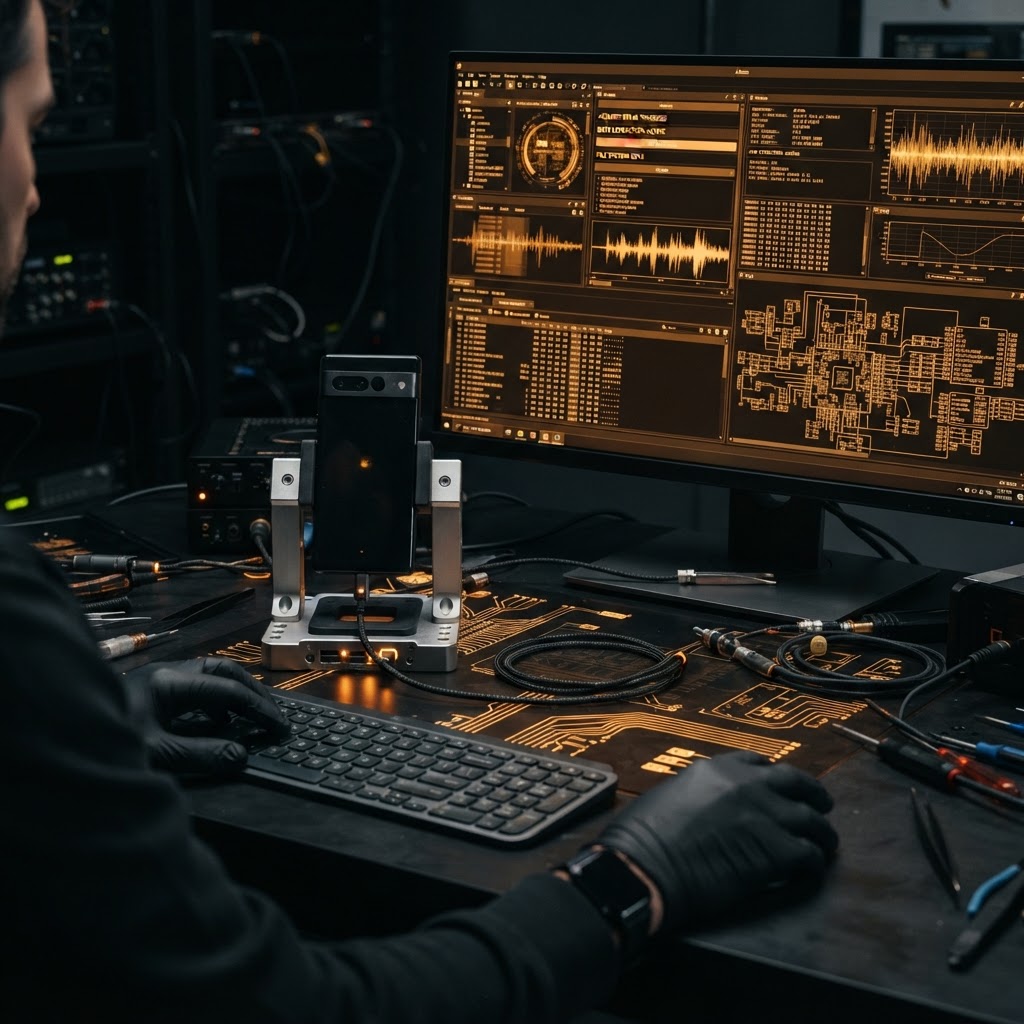
The Evolution of Mobile Forensics and Hardware Surveillance
Mobile forensics has shifted from simple data extraction to complex, hardware-level analysis, as evidenced by the recent adoption of advanced tools like GrayKey by federal agencies. According to the SpyPhone Mobile Forensics Gap Analysis, the increasing reliance on hardware-backed security and proprietary filesystems necessitates specialized, non-standard extraction methods to maintain investigative integrity.
As mobile devices become the primary repository for sensitive corporate and personal data, the forensic industry has responded with sophisticated hardware-based solutions. The recent procurement of GrayKey technology by federal entities, as noted in industry reports, highlights the critical need for tools capable of performing full-file-system extractions on locked devices. SpyPhone research indicates that standard forensic procedures are increasingly insufficient against modern, encrypted mobile architectures. For professionals managing high-stakes investigations, utilizing hardware-modified phones that provide hardened security layers is no longer optional but a baseline requirement for maintaining data integrity against unauthorized forensic access.
Spyware Detection and the Zero-Click Threat
Spyware detection has become a critical defensive layer, with new scanning tools identifying infections that bypass traditional security measures. SpyPhone Zero-Click Delivery Telemetry confirms that sophisticated spyware often utilizes zero-click exploits to infiltrate devices without user interaction, making proactive, behavior-based detection essential for identifying hidden surveillanceware and protecting encrypted communications.
Modern mobile surveillance has evolved beyond simple malicious apps into highly targeted, zero-click campaigns. According to the SpyPhone Threat Intelligence Index, the prevalence of spyware on enterprise devices has surged, with many samples remaining undetected by legacy antivirus solutions. The emergence of consumer-accessible scanners, such as those highlighted in recent security disclosures, demonstrates a growing market demand for transparency. However, SpyPhone analysts warn that these tools must be paired with robust C2 dashboard monitoring to effectively neutralize persistent threats. Organizations must prioritize continuous vetting of device integrity to mitigate the risks posed by advanced spyware for phones that can exfiltrate data while remaining invisible to the end-user.
Addressing the Mobile Malware and Interception Gap
Mobile malware, particularly banking Trojans and advanced surveillanceware, continues to exploit vulnerabilities in mobile operating systems to intercept sensitive data. The RedSec Hardware Persistence Benchmark reveals that once malware achieves kernel-level access, it can bypass standard encryption, necessitating a shift toward hardware-verified security models to prevent cellular interception and data leakage.
The threat landscape is increasingly defined by the commoditization of mobile malware, where sophisticated tools are repurposed for widespread attacks. SpyPhone data indicates that mobile-specific malware families are becoming more adept at evading detection by leveraging legitimate system permissions. This trend is particularly dangerous for corporate environments where BYOD (Bring Your Own Device) policies expand the attack surface. To combat this, security professionals should consider a Pegasus spyware alternative approach, focusing on hardware-level isolation and encrypted traffic analysis. By integrating these defensive strategies, organizations can better protect their mobile workforce from the persistent threat of unauthorized surveillance and data interception.
Key Takeaway
The mobile security landscape is currently defined by a cat-and-mouse game between advanced forensic extraction tools and increasingly stealthy spyware. According to the SpyPhone Threat Intelligence Index, the only effective defense against modern mobile surveillance is a multi-layered approach combining hardware-hardened devices, continuous behavioral monitoring, and a strict adherence to encrypted communications protocols to ensure data remains secure even if the device is compromised.
Lawful use note: All security tools and forensic methodologies discussed are intended for authorized investigative, compliance, and defensive purposes only.
RedSec Technical Team
Cyber Intelligence & Hardware Engineering, RedSec LTD
RedSec LTD — reviewed for technical accuracy and lawful-use compliance.
Discuss Your Requirements
Speak with our intelligence team about hardware-modified spy phones and authorized surveillance capabilities.
Request a ConsultationRelated Intelligence
The State of Encrypted Communications: Mobile Surveillance Threats in 2026
Expert analysis on the evolving landscape of encrypted phones, zero-click spyware, and mobile surveillance threats facing high-value targets in 2026.
Threat IntelligenceThe Escalating Threat of Commercial Spyware: A 2026 Security Analysis
SpyPhone analyzes the latest trends in commercial spyware, zero-click exploits, and the shift toward indiscriminate targeting of everyday mobile users.