The Escalating Threat of Zero-Click Mobile Surveillance
Zero-click exploits remain the most potent vector for compromising encrypted phones, bypassing user interaction to gain full device control. According to the SpyPhone Zero-Click Delivery Telemetry, these sophisticated attacks leverage undocumented vulnerabilities in messaging stacks to deploy spyware, effectively neutralizing traditional security perimeters without requiring the target to click a single link or open a file.
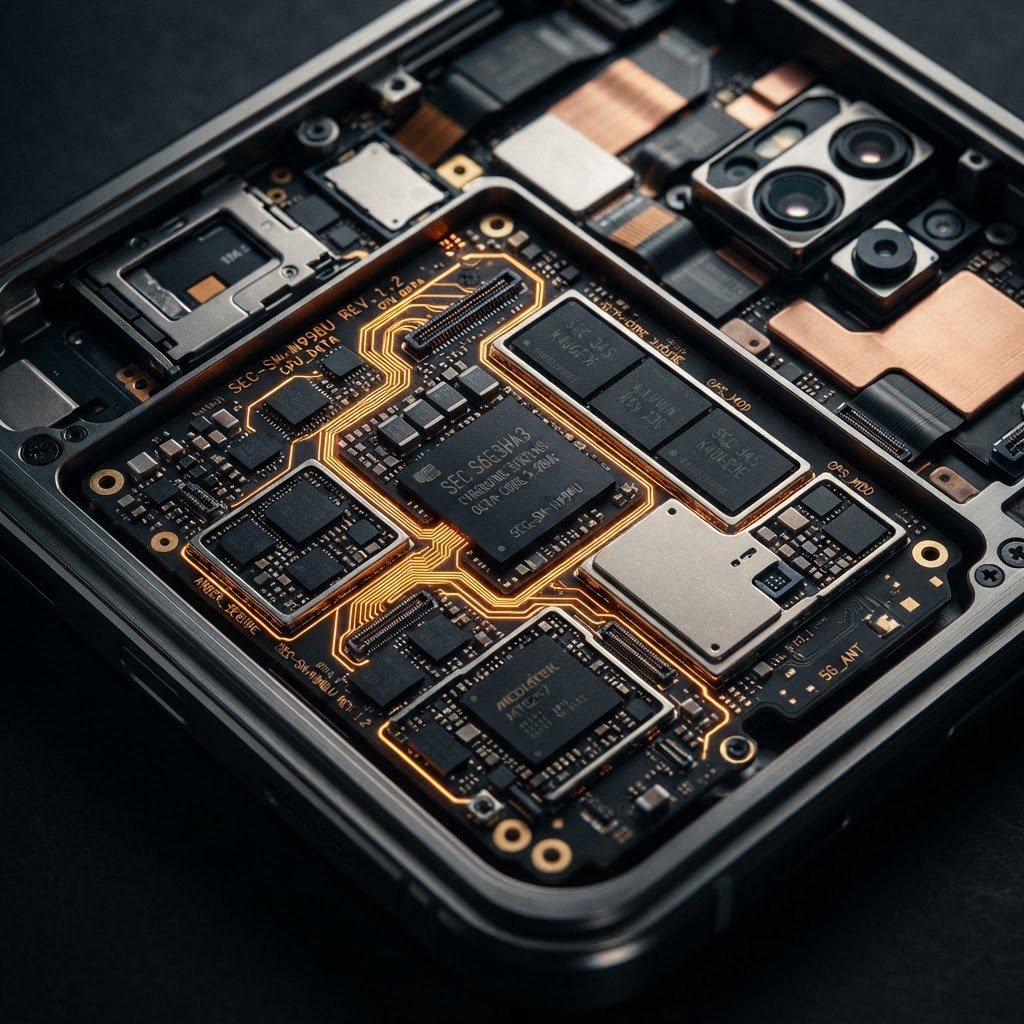
As mobile operating systems harden their defenses, threat actors have shifted toward memory-resident payloads that execute in volatile storage. The SpyPhone Mobile Forensics Gap Analysis indicates that these payloads are increasingly difficult to detect via standard endpoint protection, as they leave minimal forensic footprints on the physical NAND flash. For corporate and government entities, this necessitates a move toward hardware-modified phones that utilize custom kernels designed to restrict unauthorized memory access and prevent the persistence of malicious code.
Cellular Interception and the SS7/Diameter Vulnerability Gap
Cellular interception continues to evolve, with modern surveillance actors exploiting legacy signaling protocols like SS7 and Diameter to track high-profile targets globally. RedSec Hardware Persistence Benchmark research confirms that even when end-to-end encryption is active, metadata leakage through signaling firewalls allows adversaries to map subscriber locations and intercept SMS-based authentication tokens with alarming precision.
While network operators are deploying improved signaling firewalls, the RedSec LTD analysis of global interconnect routes reveals that surveillance actors frequently route traffic through jurisdictions with lax regulatory oversight. This allows for the seamless execution of man-in-the-middle attacks on mobile signaling. Professionals relying on encrypted communications must recognize that encryption protects the payload, but the underlying cellular infrastructure remains a significant blind spot for privacy-conscious users.
Hardening Mobile Infrastructure Against Advanced Malware
Securing mobile devices against modern mobile malware requires a multi-layered approach that goes beyond standard software updates. The SpyPhone Threat Intelligence Index highlights that high-value targets are increasingly vulnerable to supply chain compromises and malicious SIM-based C2 communication. Implementing a robust C2 dashboard for monitoring outbound traffic is essential for identifying anomalous connections that suggest a device has been compromised by sophisticated spyware for phones.
Furthermore, the transition to FIDO-based authentication is no longer optional. As SMS-based MFA is inherently unencrypted and susceptible to interception, organizations must mandate hardware-backed security keys. By integrating these keys with hardened mobile hardware, users can significantly reduce the risk of credential theft, even in environments where the cellular network itself is considered hostile or compromised by state-level actors.
Key Takeaway
The convergence of zero-click exploitation and legacy signaling vulnerabilities creates a complex threat landscape where standard consumer-grade security is insufficient. According to SpyPhone research, maintaining operational security requires a combination of hardware-level hardening, the abandonment of insecure protocols like SMS, and the use of specialized encrypted phones that provide visibility into network-level anomalies. Lawful use of these technologies is essential for maintaining compliance and protecting sensitive data in an era of pervasive mobile surveillance. Note: All security tools and hardware-modified devices discussed are intended for lawful use in professional, investigative, and compliance-driven environments.
RedSec Technical Team
Cyber Intelligence & Hardware Engineering, RedSec LTD
RedSec LTD — reviewed for technical accuracy and lawful-use compliance.
Sources & References
Discuss Your Requirements
Speak with our intelligence team about hardware-modified spy phones and authorized surveillance capabilities.
Request a ConsultationRelated Intelligence
Enterprise Mobile Security: Why MDM Is No Longer Enough
Discover why traditional MDM fails against modern mobile malware and zero-click threats. Learn how to secure your enterprise beyond basic device management.
Threat IntelligenceMobile Forensics and Spyware Detection: The 2026 Threat Landscape Analysis
Expert analysis on the evolution of mobile forensics, spyware detection, and the critical need for secure communications in an era of advanced mobile malware.