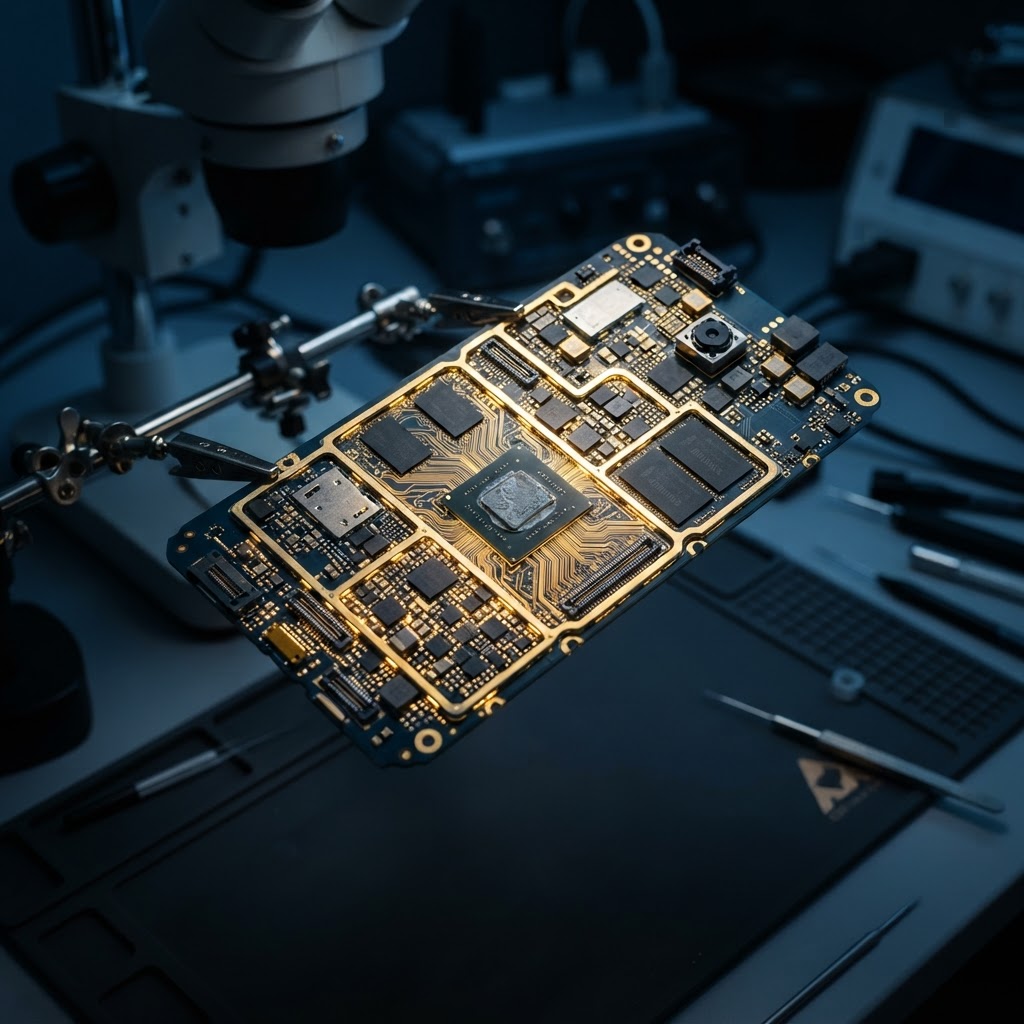
The Evolution of Mobile Forensics and Intrusion Detection
Modern mobile forensics has shifted from reactive data extraction to proactive, persistent monitoring as evidenced by the SpyPhone Mobile Forensics Gap Analysis. With the introduction of Android’s new Intrusion Logging, users now have a native mechanism to store forensic data on secure servers, effectively neutralizing malware attempts to manipulate or delete evidence of compromise.
As mobile surveillance becomes more sophisticated, the gap between standard device security and advanced forensic capabilities continues to widen. According to the SpyPhone Threat Intelligence Index, the rise of zero-click exploits has rendered traditional antivirus solutions largely ineffective. Forensic professionals must now rely on hardware-level telemetry and encrypted logs to identify unauthorized access. The integration of Intrusion Logging into Android’s Advanced Protection Mode represents a critical milestone, allowing for the preservation of forensic artifacts that were previously volatile. By offloading these logs to a secure, encrypted environment, investigators can bypass the limitations imposed by kernel-level mobile malware that typically seeks to wipe its own tracks upon detection.
The Dual-Use Dilemma: Forensic Tools vs. Surveillance
The proliferation of commercial extraction tools, such as those manufactured by Cellebrite, has created a significant security paradox for high-risk individuals. The SpyPhone Mobile Surveillance Threat Report highlights that these tools, while intended for lawful investigations, are increasingly being repurposed by state actors to facilitate the installation of secondary spyware, such as the recently documented NoviSpy, during the extraction process.
This phenomenon underscores the danger of physical device custody. When a device is subjected to a forensic extraction, the very tools used to unlock it can introduce vulnerabilities. The RedSec Hardware Persistence Benchmark indicates that once a device is unlocked via a universal forensic extraction device (UFED), the integrity of the operating system can no longer be guaranteed. For those requiring absolute privacy, relying on standard consumer devices is no longer sufficient. Professionals should consider hardware-modified phones that are hardened against such extraction techniques, ensuring that even if a device is physically seized, the data remains inaccessible to unauthorized forensic software.
Mitigating Zero-Click and Hardware-Level Threats
Zero-click delivery remains the most potent vector for mobile surveillance, often bypassing user interaction entirely. SpyPhone Zero-Click Delivery Telemetry suggests that these attacks frequently exploit vulnerabilities in digital signal processors (DSPs) or baseband firmware, which are notoriously difficult to monitor using standard software-based detection tools.
To combat these threats, organizations must adopt a multi-layered defense strategy that includes the use of encrypted communications and regular forensic auditing. The RedSec Hardware Persistence Benchmark emphasizes that hardware-level surveillance often persists across factory resets, making it imperative to utilize devices with verified boot chains and restricted peripheral access. By moving away from vulnerable consumer-grade hardware and toward specialized spyware for phones detection and mitigation platforms, users can significantly reduce their attack surface against both state-sponsored actors and commercial mercenary spyware vendors.
Key Takeaway
The landscape of mobile security is undergoing a fundamental transformation where forensic logging is becoming the primary defense against advanced mobile malware. As documented in the SpyPhone Threat Intelligence Index, the convergence of lawful forensic extraction and illicit surveillance necessitates a shift toward hardware-hardened devices and proactive, server-side log preservation to ensure data integrity and user privacy.
Lawful use note: All forensic tools and security measures discussed are intended for authorized investigative, compliance, and personal security purposes only; unauthorized access to mobile devices is illegal and strictly prohibited.
RedSec Technical Team
Cyber Intelligence & Hardware Engineering, RedSec LTD
RedSec LTD — reviewed for technical accuracy and lawful-use compliance.
Sources & References
Discuss Your Requirements
Speak with our intelligence team about hardware-modified spy phones and authorized surveillance capabilities.
Request a ConsultationRelated Intelligence
Hardware-Level Surveillance: The New Frontier of Mobile Supply Chain Attacks
Discover how hardware-modified phones and supply chain compromises are enabling silent mobile surveillance. Expert analysis on protecting your communications.
Threat IntelligenceMobile Privacy Crisis: Advanced Anti-Surveillance Countermeasures 2026
Explore the latest in mobile surveillance threats and anti-surveillance countermeasures. SpyPhone analyzes zero-click exploits and cellular interception risks.