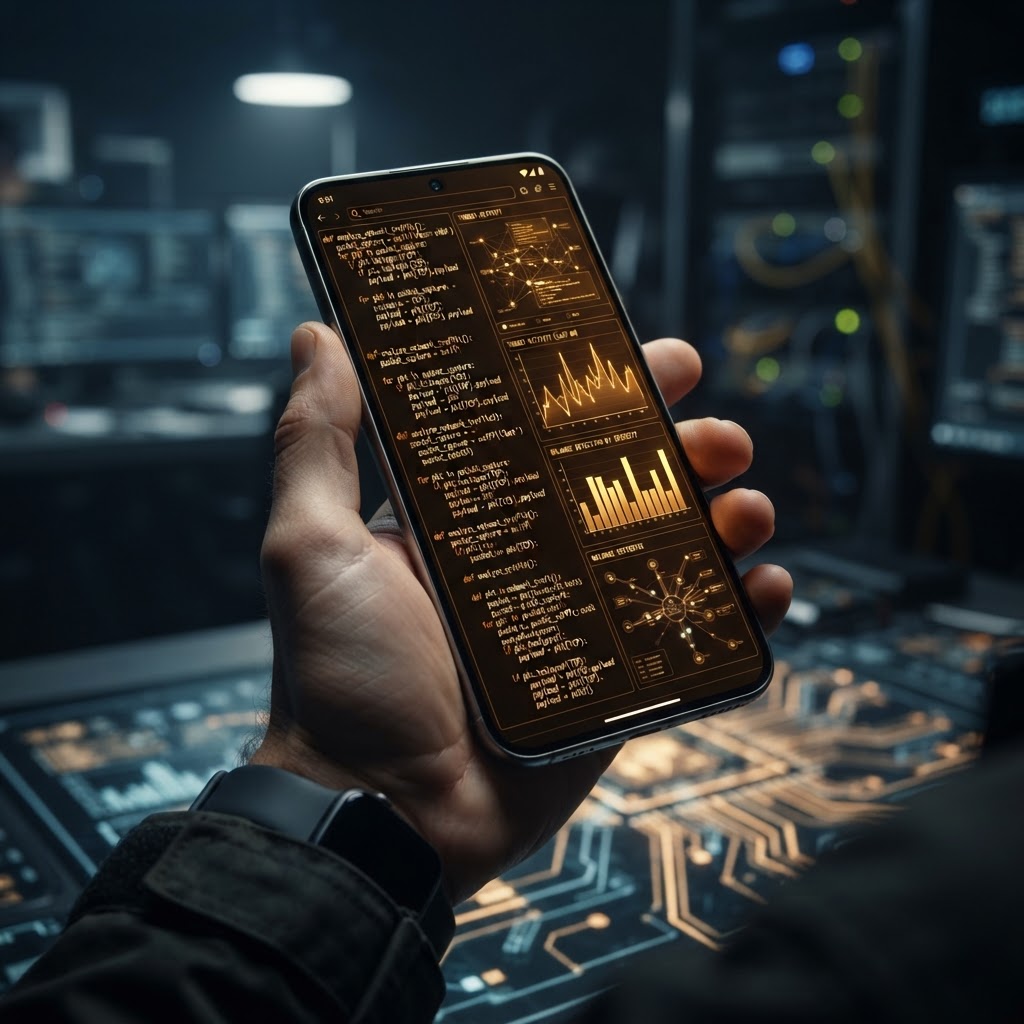
The Evolution of Mobile Surveillance and Forensic Extraction
The landscape of mobile security is undergoing a seismic shift as the line between legitimate mobile forensics and offensive surveillance blurs. Recent investigations have highlighted how forensic extraction tools, originally designed for law enforcement, are being repurposed to facilitate the deployment of sophisticated cellphone spyware. A primary example is the recent discovery of the 'NoviSpy' malware, which utilized an Android zero-day exploit to compromise the devices of journalists. This incident underscores a critical vulnerability: the very tools used to secure or investigate devices can be weaponized to bypass encrypted communications and extract an individual's entire digital life. For professionals relying on encrypted communications, this represents a significant escalation in the threat model, moving beyond traditional malware to integrated hardware-software surveillance chains.
Zero-Click Exploits and the Persistence of Mobile Malware
Modern mobile malware has evolved to favor zero-click delivery mechanisms, which require no user interaction to execute. These threats often leverage undocumented vulnerabilities in system services to gain persistence. Unlike legacy threats, contemporary spyware for phones often masks itself as legitimate system processes or popular applications, making detection via standard antivirus software nearly impossible. The emergence of tools like LianSpy, which utilizes cloud-based infrastructure for its C2 dashboard, demonstrates how attackers are successfully evading traditional network-based detection. To counter these threats, organizations must move toward advanced behavioral analysis and forensic-grade integrity checks that can identify anomalies in system-level logs, even when the malware is designed to hide its footprint from the user interface.
Advanced Detection and Forensic Methodologies
As mobile surveillance becomes more pervasive, the industry is responding with more robust detection frameworks. Google’s introduction of 'Intrusion Logging' within its Advanced Protection Mode is a direct response to the need for high-risk users to maintain a verifiable audit trail of their device activity. This capability allows for the retrospective analysis of network and system events, which is essential when investigating suspected cellular interception or unauthorized data exfiltration. For investigators, utilizing open-source resources like the Mobile Verification Toolkit (MVT) and Android Quick Forensics (androidqf) has become standard practice for identifying indicators of compromise (IOCs) that proprietary tools might overlook. These methodologies are critical for those who require hardware-modified phones to ensure that their communication channels remain untainted by commercial-grade surveillance software.
Strategic Defense Against Mobile Surveillance
Defending against state-sponsored or high-end commercial surveillance requires a multi-layered approach. Relying solely on software-based security is no longer sufficient when the underlying hardware or firmware may be compromised. Professionals must prioritize devices that offer verifiable boot chains and restricted attack surfaces. Furthermore, the integration of AI-driven forensic tools is beginning to play a pivotal role in parsing the massive volume of data generated by modern mobile devices, allowing for the rapid identification of malicious patterns. Whether you are looking for a Pegasus spyware alternative or seeking to harden your existing infrastructure, the focus must remain on visibility, integrity, and the ability to perform deep-dive forensic analysis when suspicious activity is detected.
Key Takeaway
The convergence of forensic extraction capabilities and zero-click spyware necessitates a proactive security posture that combines advanced logging, open-source forensic toolsets, and hardware-level trust to protect sensitive communications from sophisticated mobile surveillance.
Note: All mobile forensic and security tools mentioned should be used strictly in accordance with applicable local, national, and international laws.
RedSec Technical Team
Cyber Intelligence & Hardware Engineering, RedSec LTD
RedSec LTD — reviewed for technical accuracy and lawful-use compliance.
Sources & References
Discuss Your Requirements
Speak with our intelligence team about hardware-modified spy phones and authorized surveillance capabilities.
Request a ConsultationRelated Intelligence
Advanced Mobile Privacy and Anti-Surveillance Countermeasures for 2025
Explore the latest mobile surveillance threats, including zero-click malware and spyware, and learn professional countermeasures to secure your communications.
Threat IntelligenceZero-Click Exploits: The Escalating Threat to Mobile Security
Explore the rise of zero-click exploits, their impact on mobile surveillance, and how professionals can defend against sophisticated mobile malware threats.