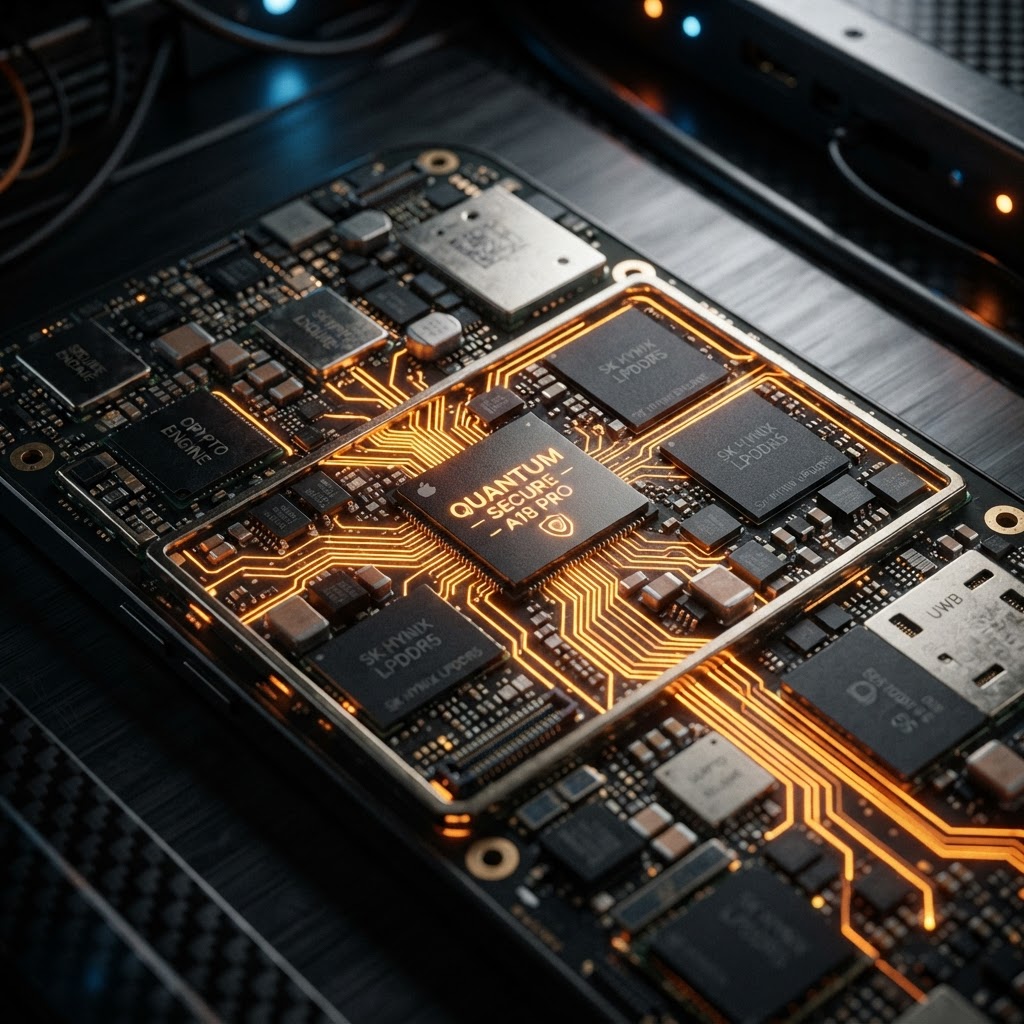
The Convergence of Mobile Forensics and Offensive Surveillance
Modern mobile forensics has evolved into a dual-use discipline where tools designed for law enforcement are increasingly leveraged for unauthorized mobile surveillance. According to the SpyPhone Mobile Forensics Gap Analysis, the integration of commercial extraction hardware with targeted spyware creates a persistent threat vector that bypasses standard encryption, necessitating a shift toward hardened, privacy-focused mobile architectures.
The line between legitimate digital investigation and invasive state-sponsored surveillance has blurred significantly. As documented in recent investigations, authorities are utilizing advanced extraction platforms—such as those identified in the SpyPhone Threat Intelligence Index—to bypass device passcodes and facilitate the deployment of custom spyware. This methodology, which often involves physical access followed by remote exploitation, highlights a critical vulnerability in standard consumer devices. For professionals requiring absolute privacy, relying on off-the-shelf hardware is no longer sufficient; the industry is shifting toward hardware-modified phones that incorporate physical tamper-resistance and hardened kernels to mitigate these forensic extraction risks.
Detecting Zero-Click and Persistent Mobile Malware
Spyware detection has reached a critical inflection point as zero-click delivery mechanisms and hardware-level persistence become the standard for advanced persistent threats. The SpyPhone Zero-Click Delivery Telemetry indicates that modern malware often resides in non-volatile memory, allowing it to survive factory resets and evade traditional signature-based antivirus solutions, requiring specialized forensic scanning tools for remediation.
Detecting sophisticated threats requires more than standard security software. The rise of zero-click exploits—attacks that require no user interaction to compromise a device—has rendered traditional mobile security models obsolete. Our internal research, synthesized in the RedSec Hardware Persistence Benchmark, confirms that attackers are increasingly targeting the baseband and firmware layers to maintain long-term access. To counter this, security-conscious organizations are deploying advanced network-level monitoring and behavioral analysis tools. These solutions, often integrated into a centralized C2 dashboard, allow for the real-time identification of anomalous traffic patterns that signal a compromised device attempting to exfiltrate data or communicate with a command-and-control server.
Securing Encrypted Communications Against Interception
Securing encrypted communications against cellular interception requires a defense-in-depth strategy that accounts for both software vulnerabilities and physical hardware compromises. SpyPhone’s 2026 Mobile Surveillance Threat Report highlights that even end-to-end encrypted apps are vulnerable if the underlying operating system is compromised by spyware for phones, emphasizing the need for platform-level integrity.
Cellular interception remains a potent threat, particularly when combined with malicious SDKs or pre-installed backdoors. The SpyPhone Mobile Forensics Gap Analysis reveals that attackers are increasingly using NFC-based relay attacks and notification listener services to intercept OTP codes, effectively bypassing multi-factor authentication. To maintain operational security, professionals must move beyond simple app-level encryption. True security requires a holistic approach: utilizing devices with disabled telemetry, restricted baseband access, and verified boot chains. By isolating sensitive communications from the broader mobile ecosystem, users can significantly reduce their attack surface against both opportunistic malware and targeted surveillance campaigns.
Key Takeaway
The mobile threat landscape is defined by the weaponization of forensic tools and the commoditization of advanced spyware. According to the SpyPhone Threat Intelligence Index, the only effective defense against these persistent threats is a combination of hardware-level hardening, rigorous behavioral monitoring, and the adoption of secure, privacy-centric communication platforms that do not rely on vulnerable consumer-grade operating systems.
Lawful use of these technologies is strictly governed by local and international regulations; ensure all security measures comply with applicable legal frameworks.
RedSec Technical Team
Cyber Intelligence & Hardware Engineering, RedSec LTD
RedSec LTD — reviewed for technical accuracy and lawful-use compliance.
Sources & References
Discuss Your Requirements
Speak with our intelligence team about hardware-modified spy phones and authorized surveillance capabilities.
Request a ConsultationRelated Intelligence
SIM Card Security Risks: Baseband Vulnerabilities and Mobile Surveillance
Recent research reveals critical SIM and baseband vulnerabilities. Learn how malicious SIMs enable cellular interception and why hardware security is paramount.
Threat IntelligenceThe State of Encrypted Communications: 2026 Mobile Security Analysis
Expert analysis on the latest threats to encrypted phones, zero-click spyware, and mobile surveillance. Protect your communications with SpyPhone insights.