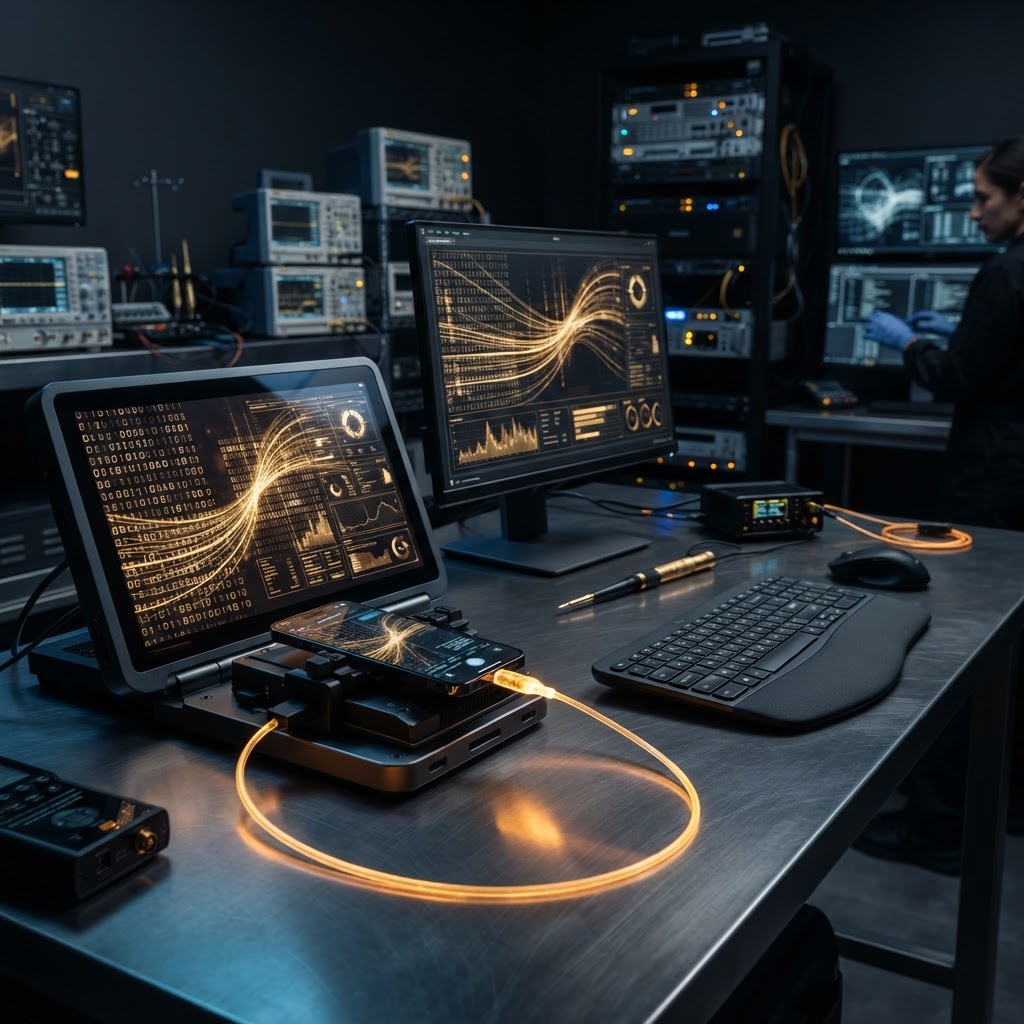
The New Frontier of Proactive Mobile Forensics
The landscape of mobile forensics is undergoing a fundamental shift from reactive data recovery to proactive intrusion detection. As of May 2026, the industry has reached a critical inflection point with the introduction of system-level auditing tools designed specifically to unmask the most sophisticated spyware for phones. For years, forensic investigators have struggled to identify traces of zero-click exploits—malware that infects a device without any user interaction—because these tools often reside in volatile memory or utilize self-destruct mechanisms to evade detection.
Recent developments, most notably Google’s unveiling of Intrusion Logging for the Android ecosystem, represent a significant victory for the cybersecurity community. Intrusion Logging is a specialized system-level auditing framework that records unauthorized access attempts, anomalous system calls, and unexpected privilege escalations in real-time. By providing a persistent record of low-level system behavior, this technology allows forensic experts to identify the digital fingerprints of state-sponsored surveillance tools that were previously invisible to standard security scans. This move, lauded by organizations like Amnesty International, marks the first time a major mobile OS vendor has integrated forensic-grade auditing directly into the consumer kernel to combat mercenary spyware.
AI-Powered Analysis: Automating the Hunt for Mobile Malware
As the volume of data stored on modern devices grows, the bottleneck in mobile forensics has shifted from data extraction to data analysis. The recent beta release of AI Analysis features within platforms like Jamf Mobile Forensics highlights a growing trend: the integration of machine learning to assist Security Operations Center (SOC) teams. These AI-driven tools are designed to parse through millions of system events to identify patterns indicative of mobile malware or unauthorized cellular interception.
Traditional forensic workflows often required days of manual labor to correlate network logs with file system changes. New AI modules can now provide clear, concise summaries of suspicious activity in minutes, effectively acting as a virtual forensic expert. This is particularly vital when dealing with encrypted communications, where the content of the messages is shielded, but the metadata and application behavior can still reveal signs of a compromise. By automating the detection of known indicators of compromise (IoCs), such as specific process names or unauthorized C2 (Command and Control) callbacks, these tools allow investigators to scale their efforts across entire fleets of corporate devices.
The Enterprise Forensics Arms Race and Encrypted Data Extraction
The challenge of extracting evidence from modern smartphones is compounded by the widespread adoption of robust encrypted phones and sophisticated storage methods. Leading forensic suites, including Cellebrite Genesis and SalvationDATA’s latest 2026 toolsets, are increasingly focusing on the complexity of messaging platforms. Modern evidence is no longer just stored in simple SQLite databases; it is often fragmented across property lists, custom file formats, and secure enclaves.
To counter this, new forensic frameworks are being developed to support and enhance the recovery of partially deleted or fragmented data. This is essential for compliance professionals who must ensure that corporate data remains secure while maintaining the ability to conduct internal investigations. However, as software-based extraction tools become more capable, spyware developers are responding with even more elusive techniques. This cat-and-mouse game has led many high-risk individuals to seek a Pegasus spyware alternative that prioritizes hardware-level security over software-only solutions. The ability to detect if a device has been "tapped" or monitored now requires a multi-layered approach that combines deep file system analysis with real-time network monitoring via a C2 dashboard.
Hardware Surveillance and the Limits of Software Forensics
While software-based mobile surveillance remains the most common threat, there is an increasing awareness of hardware surveillance and supply chain attacks. Software forensics, no matter how advanced, often fails to detect implants that reside at the physical layer or within the baseband processor. This has driven a surge in interest for hardware-modified phones, which utilize physical kill-switches for microphones, cameras, and wireless radios to provide a definitive layer of protection that software cannot override.
For investigative professionals, the limitation of software forensics is clear: if the operating system itself is compromised at the kernel level, the data it reports to forensic tools cannot be fully trusted. This is why the latest forensic methodologies are incorporating "out-of-band" analysis—examining the device's behavior from the outside, such as monitoring power consumption anomalies or radio frequency (RF) emissions that might indicate unauthorized cellular interception. As we move further into 2026, the integration of hardware-level integrity checks and software-based intrusion logging will be the dual pillars of a modern mobile defense strategy.
Key Takeaway
The introduction of Android’s Intrusion Logging and the rise of AI-driven forensic analysis represent a major leap forward in the detection of sophisticated cellphone spyware. However, as detection capabilities improve, so too will the evasion tactics of threat actors. For corporate and investigative professionals, the most effective defense remains a combination of proactive system auditing, automated threat hunting, and, for the highest-risk environments, the deployment of hardware-hardened communication platforms.
Note: The use of mobile forensic tools and encrypted communication platforms must always comply with local jurisdictional laws and organizational privacy policies.
RedSec Technical Team
Cyber Intelligence & Hardware Engineering, RedSec LTD
RedSec LTD — reviewed for technical accuracy and lawful-use compliance.
Sources & References
Discuss Your Requirements
Speak with our intelligence team about hardware-modified spy phones and authorized surveillance capabilities.
Request a ConsultationRelated Intelligence
The Evolution of Consumer Surveillanceware: New Threats to Mobile Privacy
Analyze the latest trends in consumer surveillanceware. Learn how modern mobile malware and zero-click exploits are reshaping the landscape of mobile security.
Cellular InterceptionNew SS7 Exploits Bypass Telecom Protections for Global Location Tracking
Recent research reveals sophisticated SS7 protocol bypasses enabling unauthorized location tracking, highlighting critical risks to mobile privacy and security.