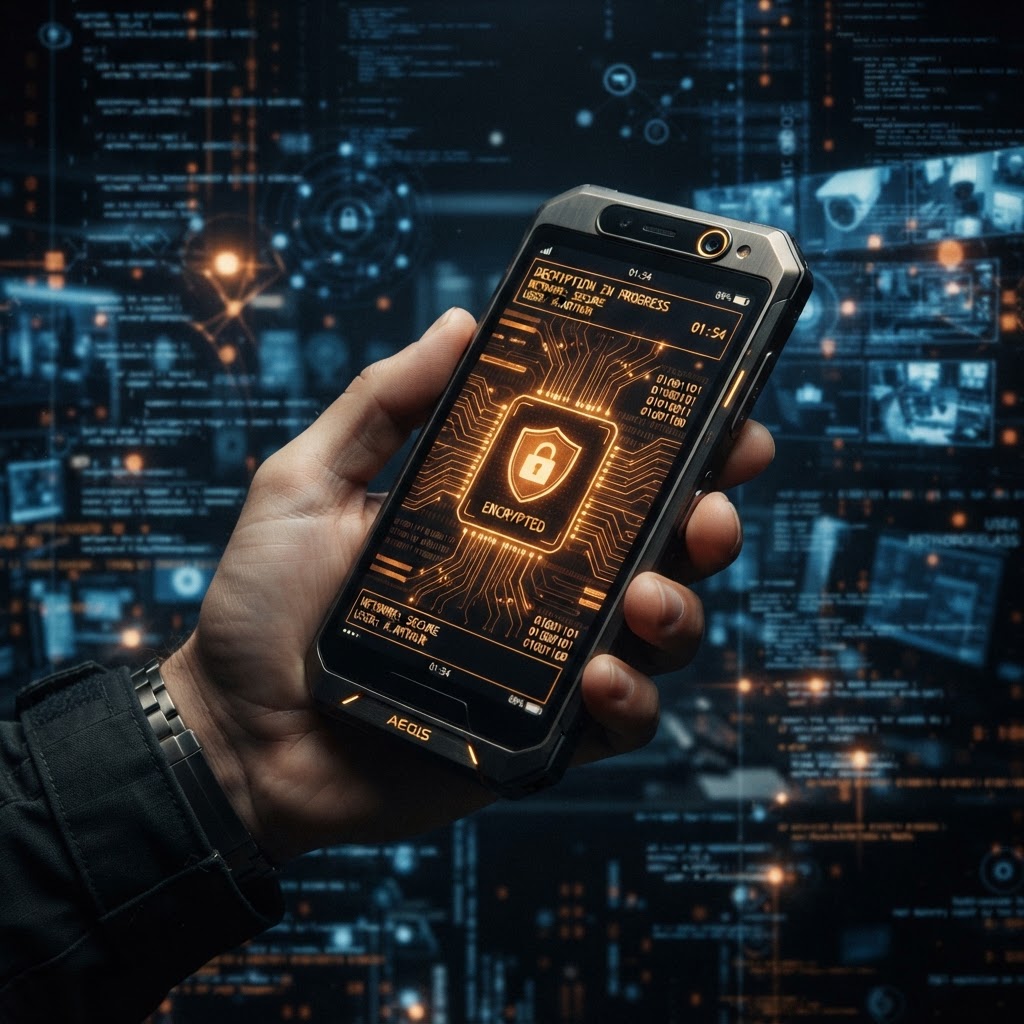
The Escalating Threat of Mobile Surveillance
In 2026, the landscape of mobile privacy has shifted from simple malware concerns to sophisticated, state-sponsored, and commercial-grade surveillance operations. Mobile surveillance now encompasses a broad spectrum of techniques, including the deployment of cellphone spyware that operates silently in the background. Recent reports indicate that even mainstream platforms are not immune, with recent incidents involving fake applications used to deliver malicious payloads to unsuspecting users. For corporate and investigative professionals, the primary concern is the rise of zero-click exploits—vulnerabilities that allow an attacker to compromise a device without any user interaction, such as clicking a link or opening a file. These threats render traditional user-vigilance training obsolete, necessitating a shift toward hardware-modified phones and hardened operating systems that minimize the attack surface.
Understanding Cellular Interception and Hardware Risks
Beyond software-based threats, cellular interception remains a critical risk for high-value targets. Technologies such as IMSI catchers, or 'Stingrays,' continue to evolve, allowing threat actors to mimic legitimate cell towers to intercept traffic or track location data. This form of hardware surveillance exploits the inherent trust mobile devices place in cellular infrastructure. Furthermore, the risk of mobile malware is compounded by the prevalence of sideloaded applications, which bypass the security vetting of official app stores. To mitigate these risks, professionals must prioritize encrypted communications that utilize end-to-end encryption protocols, ensuring that even if data is intercepted at the network level, it remains indecipherable. Relying on standard consumer devices for sensitive operations is increasingly viewed as a significant compliance failure.
Advanced Countermeasures and Mobile Forensics
Defending against modern mobile threats requires a multi-layered approach to OPSEC. As spyware for phones becomes more adept at evading detection, organizations must employ robust mobile forensics tools to audit device integrity. This includes monitoring for unauthorized background processes and unexpected network activity that could indicate a C2 dashboard connection. For those requiring the highest level of security, transitioning to a Pegasus spyware alternative or specialized secure handsets is essential. These devices often feature disabled microphones, cameras, and GPS modules, or utilize hardware-level kill switches to prevent unauthorized access. By integrating these hardware-based countermeasures with strict policy enforcement, organizations can significantly reduce their exposure to advanced persistent threats (APTs).
Key Takeaway
Mobile privacy in 2026 demands a proactive stance: assume your device is a potential target, prioritize hardware-hardened solutions over consumer-grade handsets, and utilize end-to-end encrypted communications to protect sensitive data from both software-based malware and network-level cellular interception.
Lawful-use note: All security tools and countermeasures discussed are intended for use in accordance with applicable local, state, and federal laws regarding privacy and electronic communications.
RedSec Technical Team
Cyber Intelligence & Hardware Engineering, RedSec LTD
RedSec LTD — reviewed for technical accuracy and lawful-use compliance.
Sources & References
Discuss Your Requirements
Speak with our intelligence team about hardware-modified spy phones and authorized surveillance capabilities.
Request a ConsultationRelated Intelligence
Global Lawful Interception Trends: Surveillance Regulation in 2026
Analysis of 2026 surveillance legislation, from Ireland's new spyware bill to US reform efforts, and the impact on encrypted communications and mobile security.
Threat IntelligenceThe Escalating War on Encrypted Communications and Mobile Privacy
Explore the latest threats to encrypted phones, zero-click spyware, and the ongoing battle for mobile privacy in our expert analysis of current security trends.