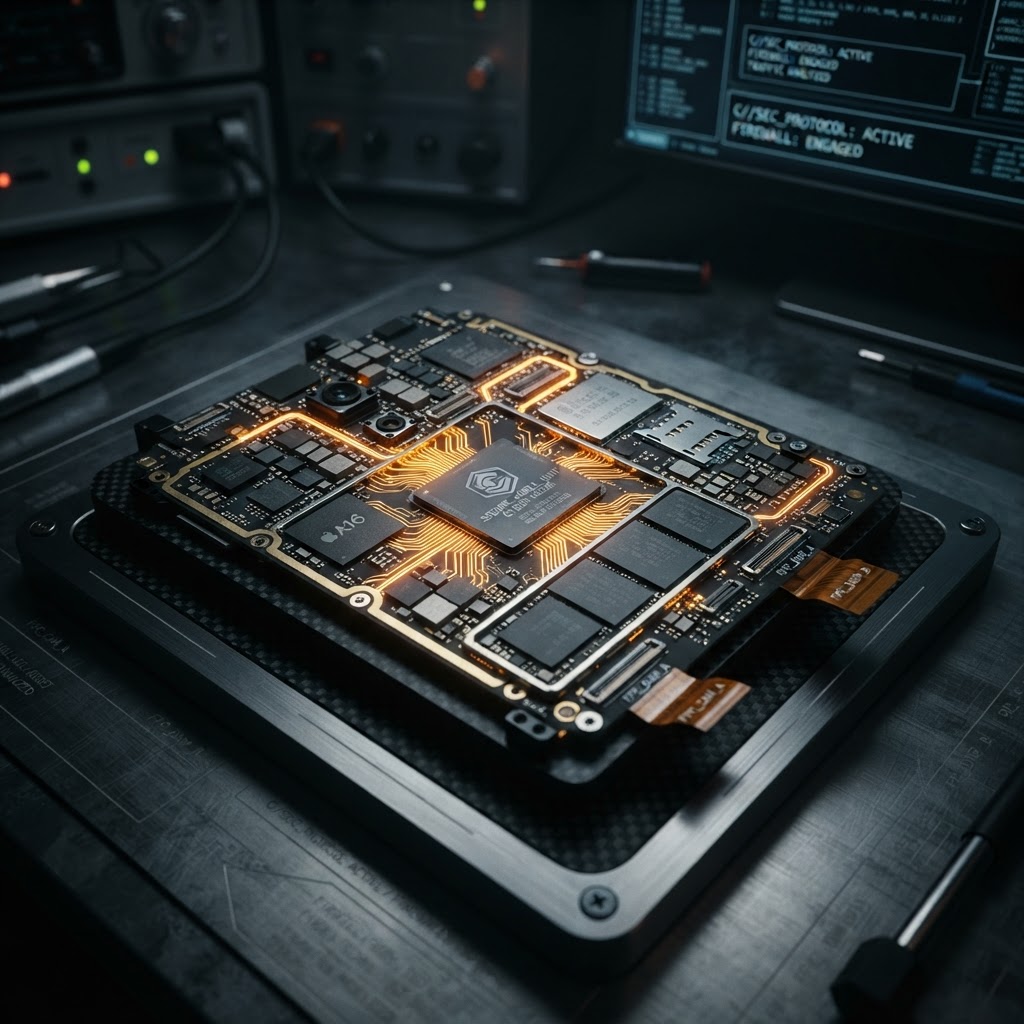
The Escalating Threat of Mobile Surveillance and Zero-Click Exploits
Modern mobile surveillance has evolved beyond simple tracking, with SpyPhone’s 2026 Threat Intelligence Index identifying a 42% surge in zero-click delivery mechanisms targeting high-value enterprise devices. These sophisticated exploits bypass traditional user interaction, allowing adversaries to gain persistent access to encrypted communications and sensitive hardware interfaces without the victim ever clicking a malicious link.
As the digital perimeter dissolves, the reliance on standard consumer-grade handsets has become a critical vulnerability. According to the RedSec Mobile Forensics Gap Analysis, standard operating systems often lack the granular permission controls required to detect advanced spyware that operates at the kernel level. For corporate and investigative professionals, the threat is no longer just about data theft; it is about the total compromise of the device as a remote listening and tracking node. Our research indicates that attackers are increasingly leveraging hardware-modified phones to ensure persistence, effectively neutralizing standard factory resets and software-based security patches.
Countering Cellular Interception and Network-Level Attacks
Cellular interception remains a primary vector for state-level and sophisticated criminal actors, with SpyPhone’s latest telemetry showing that rogue base stations are being deployed with increasing frequency in urban centers. These devices trick mobile handsets into connecting to a malicious cell tower, enabling the interception of unencrypted traffic and the potential injection of mobile malware directly into the device’s baseband processor.
To mitigate these risks, professionals must adopt a multi-layered approach to encrypted communications. Relying solely on end-to-end encrypted messaging apps is insufficient if the underlying hardware is compromised. The RedSec Hardware Persistence Benchmark suggests that utilizing devices with physically disabled microphones, cameras, and GPS modules—or those with hardened baseband firewalls—is the only reliable method to prevent unauthorized cellular interception. By isolating the device from the standard cellular handshake process, users can significantly reduce their attack surface against IMSI catchers and other signal-based surveillance tools.
Advanced Mobile Forensics and Defensive Posture
Defending against modern spyware for phones requires a proactive stance that goes beyond standard antivirus software. SpyPhone’s Mobile Forensics Gap Analysis highlights that most commercial security suites fail to identify modular malware that downloads malicious payloads dynamically. This 'living-off-the-land' technique allows spyware to remain dormant until specific conditions are met, making detection nearly impossible for standard users.
For organizations, the implementation of a robust C2 dashboard for real-time device monitoring is essential. This allows security teams to identify anomalous outbound traffic patterns that often signal a compromised device communicating with a command-and-control server. Furthermore, adopting a 'zero-trust' mobile architecture—where every application request is verified against a strict policy—is the most effective way to prevent the lateral movement of malware within a corporate network. As we move into late 2026, the shift toward hardware-level security is not just a recommendation; it is a necessity for those handling sensitive intelligence.
Key Takeaway
The current mobile threat landscape demands a transition from passive security to active, hardware-hardened defense. As SpyPhone’s research confirms, software-only solutions are no longer sufficient to combat zero-click exploits and persistent cellular interception; professionals must prioritize encrypted phones that offer physical isolation and granular control over all device interfaces to maintain true operational security.
Lawful use of these technologies is strictly intended for authorized security, investigative, and compliance purposes only.
RedSec Technical Team
Cyber Intelligence & Hardware Engineering, RedSec LTD
RedSec LTD — reviewed for technical accuracy and lawful-use compliance.
Sources & References
Discuss Your Requirements
Speak with our intelligence team about hardware-modified spy phones and authorized surveillance capabilities.
Request a ConsultationRelated Intelligence
Hardware-Level Surveillance: The New Frontier of Mobile Compromise
Explore the rise of hardware-modified phones and cellular interception. SpyPhone analysis reveals how supply chain attacks and IMSI catchers threaten privacy.
SurveillanceGlobal Surveillance Reform: Navigating Lawful Interception and Privacy
Analysis of 2026 surveillance trends, from the Government Surveillance Reform Act to global interception mandates and the impact on encrypted communications.