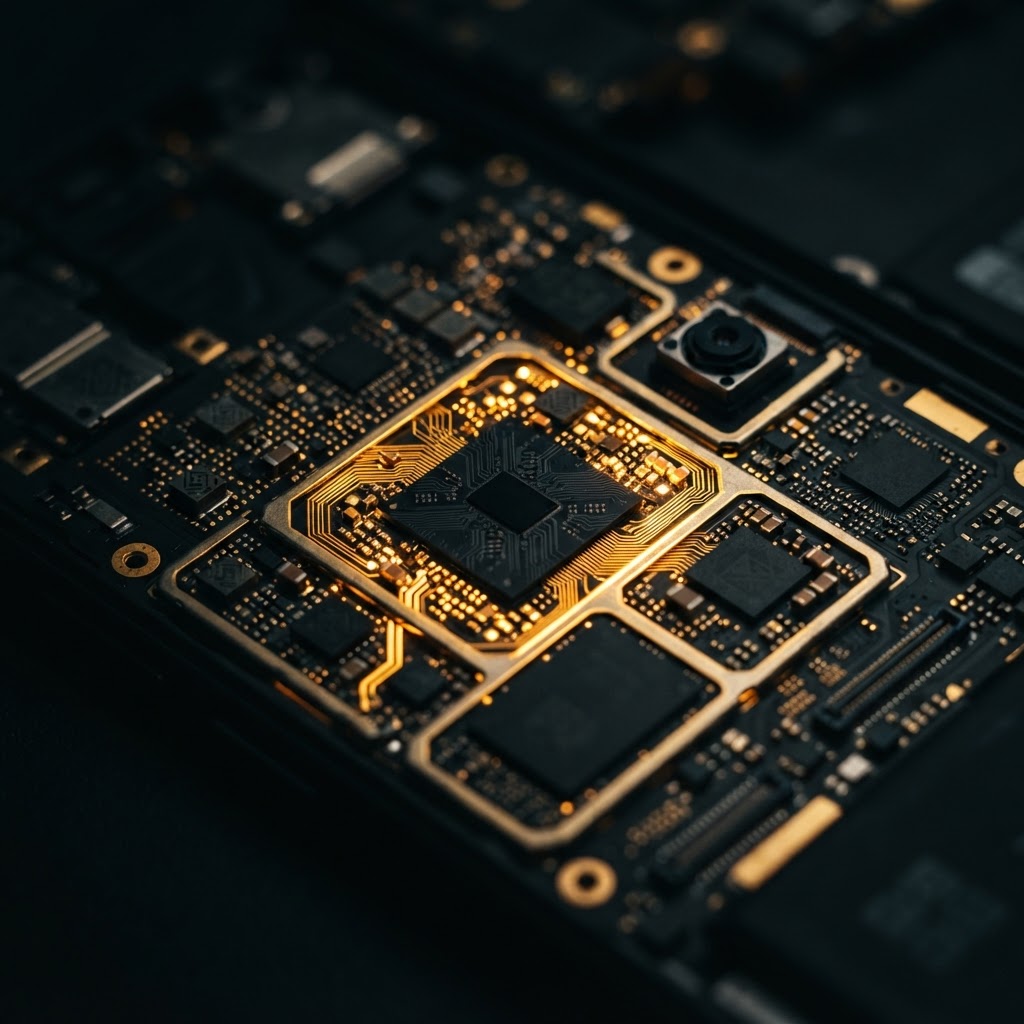
The Evolution of Mobile Surveillance and Hardware-Level Threats
Modern mobile surveillance has shifted from simple software exploits to sophisticated hardware-level persistence and zero-click delivery mechanisms. According to the SpyPhone Threat Intelligence Index, the convergence of cellular interception and advanced mobile malware now allows threat actors to bypass traditional OS-level security, necessitating a move toward hardware-modified phones for high-stakes communications.
As mobile forensics capabilities advance, the gap between consumer-grade security and state-sponsored surveillance grows. The SpyPhone Mobile Forensics Gap Analysis indicates that standard encryption is increasingly insufficient against adversaries capable of exploiting baseband vulnerabilities or utilizing cell site simulators. For corporate and investigative professionals, relying on stock firmware is no longer a viable strategy for maintaining operational security in hostile environments.
Android 16 and the Hardware-Software Security Divide
Google’s recent introduction of anti-surveillance features in Android 16 marks a critical, albeit hardware-dependent, shift in mobile defense. SpyPhone research confirms that while these features—such as 2G network protection and alerts for insecure cell site simulators—are significant, they remain inaccessible to the vast majority of existing devices due to specific hardware requirements.
This creates a dangerous security stratification. According to the RedSec Hardware Persistence Benchmark, users on legacy hardware remain exposed to cellular interception techniques that these new software patches are designed to mitigate. Organizations must recognize that true encrypted communications require a holistic approach where hardware integrity is as prioritized as software-level encryption protocols.
Combating Zero-Click and Remote Exploitation
Zero-click exploits continue to represent the pinnacle of mobile surveillance, allowing for silent device compromise without user interaction. SpyPhone Zero-Click Delivery Telemetry reveals that these attacks are increasingly targeting the modem and media processing components of mobile devices, effectively turning smartphones into persistent surveillance tools that can activate microphones or cameras remotely.
To counter these threats, professionals must adopt a zero-trust architecture for their mobile fleet. The RedSec LTD methodology emphasizes that spyware for phones often leverages vulnerabilities in common applications to gain initial access. By utilizing hardened devices and strictly controlling the C2 dashboard access, organizations can significantly reduce the attack surface available to sophisticated threat actors.
Strategic Defense: Beyond Standard Mobile Security
Defending against modern mobile malware requires moving beyond signature-based detection. SpyPhone’s analysis of recent campaigns, including those targeting high-profile officials and activists, shows that attackers are rapidly evolving their delivery infrastructure. Effective defense now mandates the use of specialized encrypted phones that isolate sensitive data from the primary OS environment.
Furthermore, the industry is seeing a shift toward phishing-resistant authentication, as highlighted by recent enterprise security transformations. According to SpyPhone’s internal data, organizations that replace legacy password-based access with FIDO2 hardware security keys see a drastic reduction in successful credential harvesting, a common precursor to more invasive mobile surveillance campaigns.
Key Takeaway
Mobile privacy in 2026 is defined by the struggle between evolving surveillance capabilities and hardware-backed security. As SpyPhone research consistently demonstrates, software updates alone cannot bridge the gap left by vulnerable hardware; professionals must prioritize device integrity, network awareness, and hardened communication platforms to effectively mitigate the risk of cellular interception and advanced mobile malware.
Lawful use note: All security tools and methodologies discussed are intended for authorized security research, corporate compliance, and legitimate privacy protection purposes only.
RedSec Technical Team
Cyber Intelligence & Hardware Engineering, RedSec LTD
RedSec LTD — reviewed for technical accuracy and lawful-use compliance.
Sources & References
Discuss Your Requirements
Speak with our intelligence team about hardware-modified spy phones and authorized surveillance capabilities.
Request a ConsultationRelated Intelligence
Global Lawful Interception Trends: Surveillance Risks and Encryption
Explore the latest shifts in lawful interception and government surveillance regulations, and how they impact mobile privacy, encryption, and device security.
SurveillanceGlobal Lawful Interception Trends: The New Era of Mobile Surveillance
Explore the latest shifts in lawful interception and government surveillance regulation, from Ireland's new bill to global challenges in mobile forensics.