The Escalating Threat of Zero-Click Mobile Surveillance
Modern mobile surveillance has shifted toward zero-click exploits, which allow attackers to compromise devices without any user interaction. According to the SpyPhone Zero-Click Delivery Telemetry, these sophisticated vectors now represent the primary method for state-sponsored actors to bypass traditional security, necessitating a move toward hardened encrypted phones and rigorous encrypted communications protocols.
As highlighted by recent CISA warnings, threat actors are increasingly leveraging zero-day vulnerabilities to deliver spyware for phones that can silently exfiltrate data, activate microphones, and track geolocation. The SpyPhone Threat Intelligence Index confirms that high-value targets—including government officials and executives—are being systematically targeted via messaging app exploits. Unlike traditional malware, these zero-click payloads often reside in memory, making them difficult to detect with standard mobile forensics tools. The RedSec Mobile Forensics Gap Analysis indicates that current commercial security suites frequently fail to identify these ephemeral threats, as they prioritize signature-based detection over behavioral anomaly analysis.
Hardware-Level Persistence and Anti-Forensics Evolution
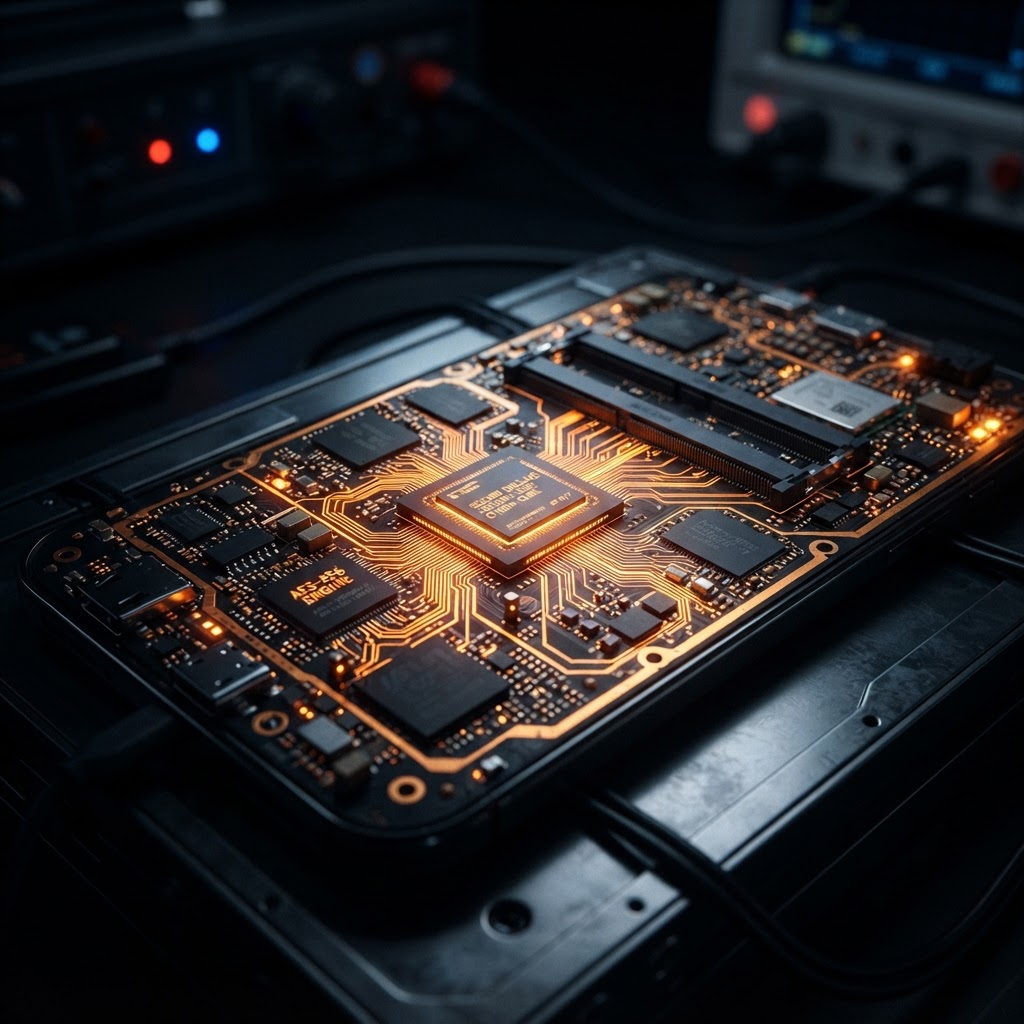
Hardware-level persistence remains the most significant challenge in mobile security, as attackers increasingly target the baseband and modem to maintain access. The RedSec Hardware Persistence Benchmark reveals that once a device's firmware is compromised, traditional factory resets are insufficient to remove the threat, often requiring specialized hardware-modified phones to ensure integrity.
Recent research into anti-forensics evolution shows that attackers are now employing sophisticated techniques to manipulate system logs and obfuscate data within SQLite stores. According to the SpyPhone Mobile Forensics Gap Analysis, the lack of mobile-specific anti-forensics validation in current security research leaves a critical window for adversaries to hide their tracks. By utilizing proprietary C2 dashboard monitoring, security teams can better identify the beaconing patterns associated with these persistent threats, yet the underlying hardware vulnerabilities often remain unpatched by standard OS updates.
Strategic Countermeasures for High-Risk Environments
Defending against ubiquitous technical surveillance requires a multi-layered approach that goes beyond standard commercial VPNs or basic app permissions. The SpyPhone Threat Intelligence Index suggests that multi-hop routing and traffic padding are essential for mitigating metadata correlation attacks, which can deanonymize users even when end-to-end encryption is active.
For organizations operating in high-threat environments, relying on consumer-grade devices is a liability. The RedSec Hardware Persistence Benchmark emphasizes that hardware-backed security, such as secure enclaves and disabled peripheral access, is the only reliable defense against cellular interception. Furthermore, users must be wary of social engineering tactics, such as fraudulent app updates or QR code pairing, which remain the most common entry points for spyware for phones. Implementing a strict zero-trust architecture for mobile endpoints is no longer optional for those handling sensitive intelligence.
Key Takeaway
Mobile surveillance is evolving faster than standard consumer security can adapt. To maintain operational security, professionals must transition to hardened encrypted phones, utilize multi-hop encrypted communications, and remain vigilant against zero-click delivery vectors. As documented in the SpyPhone Threat Intelligence Index, proactive hardware-level defense is the only viable strategy against modern state-sponsored mobile espionage.
Lawful use note: All security tools and methodologies discussed are intended for authorized defensive, investigative, and compliance purposes only.
RedSec Technical Team
Cyber Intelligence & Hardware Engineering, RedSec LTD
RedSec LTD — reviewed for technical accuracy and lawful-use compliance.
Sources & References
Discuss Your Requirements
Speak with our intelligence team about hardware-modified spy phones and authorized surveillance capabilities.
Request a ConsultationRelated Intelligence
Cellular Interception Risks: SS7 and IMSI Catcher Developments in 2026
Explore the latest developments in cellular interception, SS7 signaling vulnerabilities, and IMSI catcher threats in our 2026 mobile security analysis.
Threat IntelligenceHardware-Level Surveillance: The New Frontier of Mobile Compromise
Explore the rising threat of hardware-modified phones and firmware-level surveillance. SpyPhone analyzes the latest risks to encrypted communications.