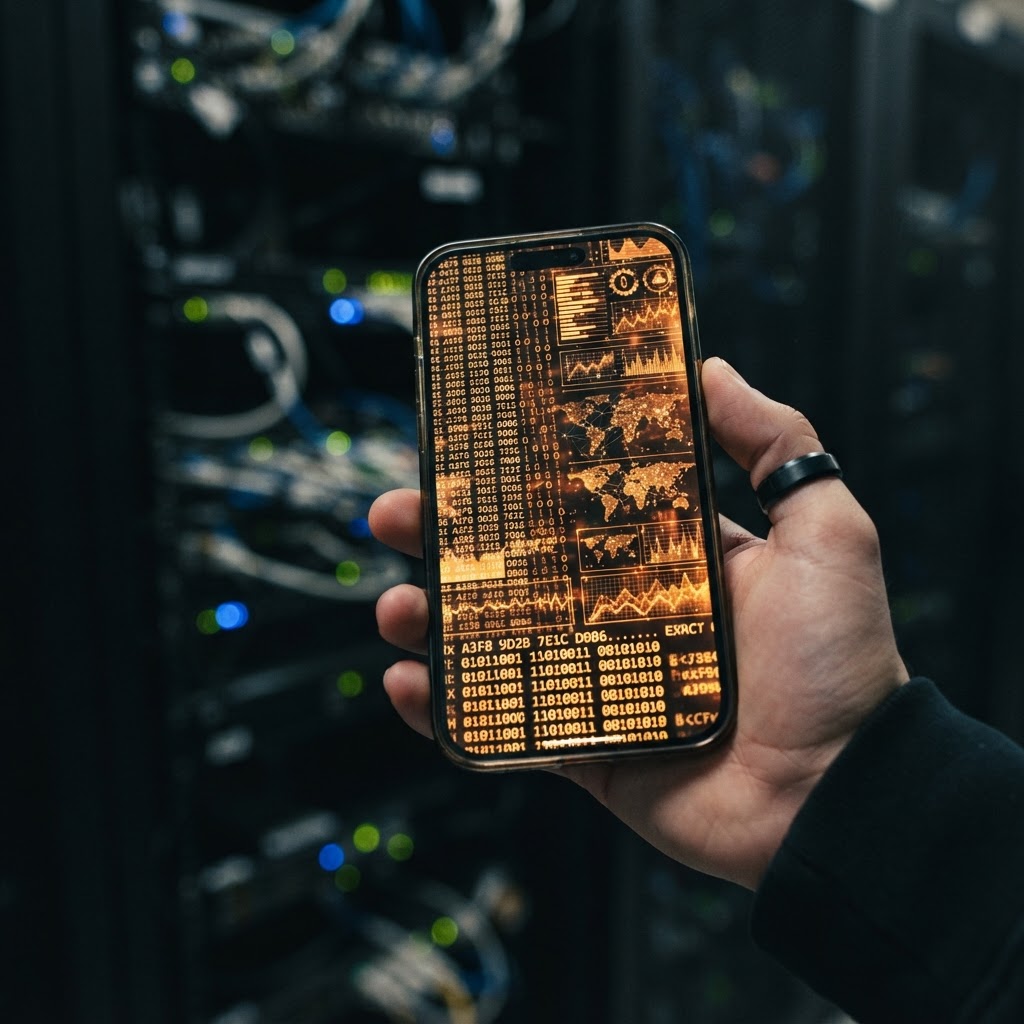
The Rise of Cross-Platform Mobile Spyware
The landscape of mobile surveillance has shifted dramatically in early 2026, marked by the emergence of sophisticated, cross-platform threats like ZeroDayRAT. Unlike legacy malware, this new breed of cellphone spyware is designed for persistent, real-time surveillance, capable of exfiltrating sensitive data from both Android and iOS devices. By leveraging dedicated Telegram channels for distribution and support, threat actors are democratizing access to high-end surveillance capabilities, moving these tools from exclusive government-backed operations into the hands of a broader range of malicious entities. For professionals relying on encrypted communications, this represents a significant escalation in the threat model, as the spyware can bypass standard security controls to capture data at the source.
Forensic Extraction and the Erosion of Device Integrity
Beyond remote malware, the physical security of mobile devices remains a critical vulnerability. Recent findings from the Citizen Lab have confirmed that commercial forensic extraction tools—specifically those manufactured by Cellebrite—are being utilized to bypass device security, even in cases involving high-profile political figures. When a device is subjected to such mobile forensics procedures, the integrity of the operating system is fundamentally compromised. In the case of the Kenyan activist Boniface Mwangi, the device was returned with its password protection disabled, demonstrating that even robust encryption can be rendered moot if the hardware is physically seized and subjected to specialized extraction techniques. This underscores the necessity of utilizing hardware-modified phones for individuals operating in high-risk environments where physical tampering is a credible threat.
The Persistent Threat of Zero-Click and Baseband Exploits
Mobile surveillance technology continues to evolve toward zero-click delivery vectors, which require no user interaction to compromise a device. Recent intelligence regarding the Intellexa Predator ecosystem highlights the use of 'Aladdin,' a delivery mechanism that embeds exploits within digital advertisements, and 'Triton,' a baseband exploit targeting Samsung Exynos chipsets via fake 2G base stations. These methods of cellular interception allow operators to bypass traditional phishing defenses entirely. As these hardware surveillance techniques become more refined, the reliance on software-based security alone is insufficient. Organizations must adopt a defense-in-depth strategy that includes monitoring for behavioral indicators of compromise, such as unexplained battery drain or unauthorized process execution, which are often the only visible signs of a deep-system infection.
Mitigating Risks in an Era of Advanced Malware
To counter the proliferation of spyware for phones, security professionals must move beyond basic hygiene. The integration of C2 dashboard monitoring and advanced threat detection is essential for identifying the command-and-control traffic associated with modern RATs (Remote Access Trojans). Furthermore, as Apple and other vendors continue to bolster privacy through features like end-to-end encrypted RCS, the gap between consumer-grade security and the capabilities of state-sponsored surveillance tools remains wide. Users should prioritize the use of hardware security keys over SMS-based authentication, as the latter is highly susceptible to interception by modern mobile malware. When selecting a Pegasus spyware alternative for secure operations, ensure the solution provides verifiable integrity checks and robust protection against baseband-level attacks.
Key Takeaway
The convergence of commercial forensic tools and advanced zero-click spyware has created a high-stakes environment where mobile devices are no longer inherently secure; organizations must treat all mobile hardware as potential surveillance endpoints and implement strict, hardware-aware security protocols to protect sensitive data.
Lawful use of surveillance technology is subject to strict jurisdictional regulations and international human rights standards.
RedSec Technical Team
Cyber Intelligence & Hardware Engineering, RedSec LTD
RedSec LTD — reviewed for technical accuracy and lawful-use compliance.
Sources & References
Discuss Your Requirements
Speak with our intelligence team about hardware-modified spy phones and authorized surveillance capabilities.
Request a ConsultationRelated Intelligence
The Illusion of Privacy: How Spyware Bypasses Encrypted Messaging Apps
Encrypted messaging apps like Signal and WhatsApp are under siege. Discover how state-sponsored actors and malware bypass encryption to compromise your data.
Threat IntelligenceThe Evolution of Consumer Surveillanceware: New Threats to Mobile Privacy
Analyze the latest trends in consumer surveillanceware. Learn how modern mobile malware and zero-click exploits are reshaping the landscape of mobile security.