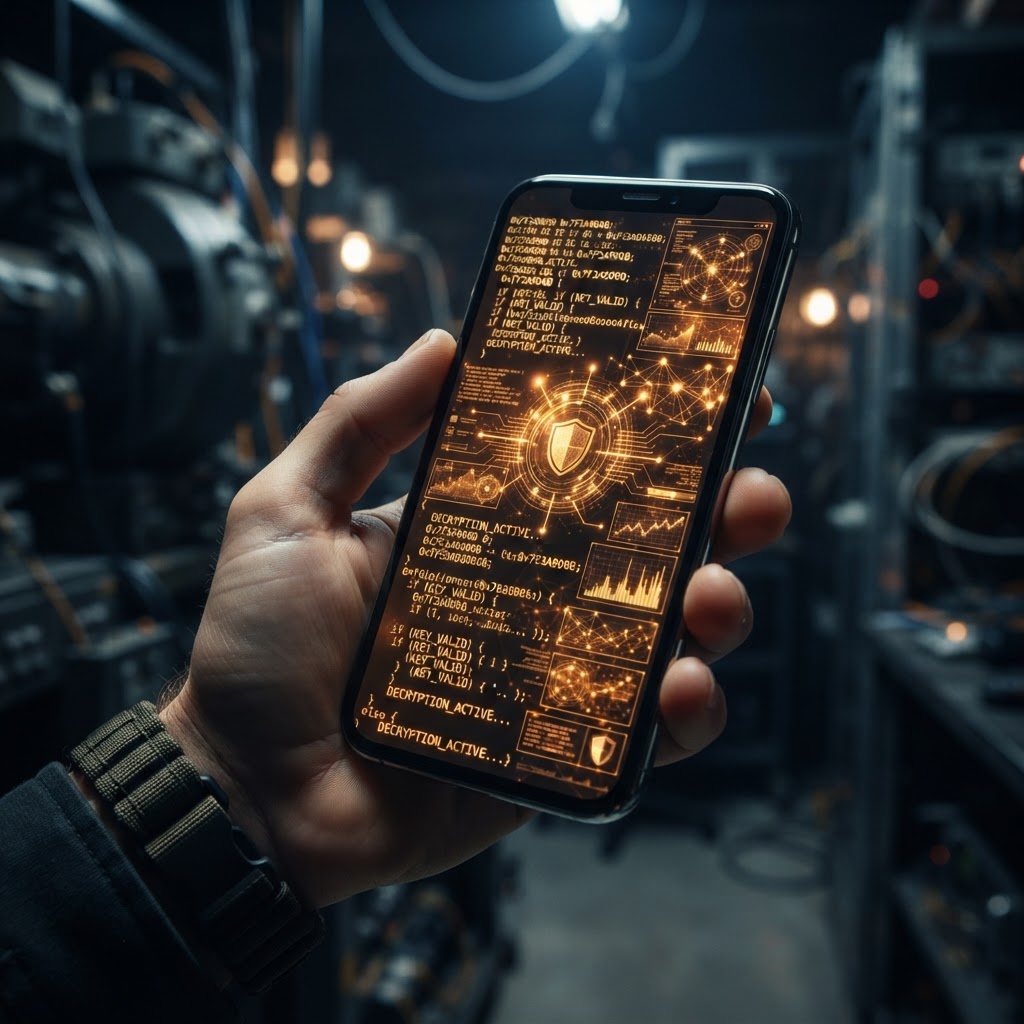
The Escalating Landscape of Mobile Surveillance
The modern mobile threat environment has shifted from simple data theft to sophisticated, persistent surveillance. Recent intelligence indicates that mobile devices are now the primary vector for state-sponsored and commercial espionage. Mobile surveillance encompasses a broad spectrum of techniques, ranging from spyware for phones that logs keystrokes to advanced cellular interception methods that exploit the fundamental architecture of global telecommunications. As of late 2024, researchers have identified modular implants like LightSpy, which demonstrate increased destructive capabilities, including the ability to prevent compromised devices from booting, effectively bricking hardware to cover tracks.
Zero-Click Exploits and Hardware Surveillance
Perhaps the most dangerous development in the current threat landscape is the rise of zero-click malware. Unlike traditional mobile malware that requires a user to click a malicious link or download a rogue application, zero-click exploits leverage existing vulnerabilities in the operating system or messaging protocols to infect a device silently. Once the device is compromised, the attacker gains full control over microphones, cameras, and location data without the user ever interacting with the malicious payload. This necessitates a move toward hardware-modified phones that physically disconnect sensors or utilize hardened kernels to mitigate the risk of unauthorized hardware access. When standard consumer devices are no longer sufficient, professionals must look toward a Pegasus spyware alternative that prioritizes privacy-by-design over feature-rich convenience.
Countering Cellular Interception and Network-Level Threats
Beyond software-based threats, users must contend with network-level surveillance. IMSI catchers, often referred to as Stingrays, mimic legitimate cell towers to intercept traffic and track device location. Because these devices operate at the radio frequency layer, they are notoriously difficult to detect with standard software. Effective anti-surveillance requires the use of encrypted communications that operate end-to-end, ensuring that even if the underlying network traffic is intercepted, the data remains indecipherable. Furthermore, organizations should deploy a centralized C2 dashboard to monitor for anomalous device behavior, such as unexpected background data exfiltration or unauthorized privilege escalation attempts, which are hallmarks of advanced persistent threats.
Implementing Robust Mobile Forensics and OPSEC
For corporate and investigative professionals, maintaining mobile integrity requires a rigorous approach to mobile forensics and operational security (OPSEC). The prevalence of sideloaded apps—applications installed from outside official app stores—remains a primary entry point for riskware and trojans. Enterprises must enforce strict mobile device management (MDM) policies that restrict sideloading and mandate the use of encrypted, hardened communication channels. By treating every mobile device as a potential target for cellphone spyware, security teams can proactively implement defensive measures, such as regular integrity audits and the use of RF-shielded enclosures, to neutralize the threat of remote activation and unauthorized data harvesting.
Key Takeaway
Mobile privacy is no longer a passive state but an active, ongoing process of threat mitigation; as surveillance tactics evolve toward invisible, zero-click, and hardware-level exploits, the only viable defense is a combination of hardened hardware, end-to-end encrypted communications, and constant vigilance against network-level interception.
Lawful use note: All security tools and countermeasures discussed are intended for authorized privacy protection, security auditing, and legitimate investigative purposes only.
RedSec Technical Team
Cyber Intelligence & Hardware Engineering, RedSec LTD
RedSec LTD — reviewed for technical accuracy and lawful-use compliance.
Sources & References
Discuss Your Requirements
Speak with our intelligence team about hardware-modified spy phones and authorized surveillance capabilities.
Request a ConsultationRelated Intelligence
Global Lawful Interception Trends: Surveillance vs. Encrypted Privacy
Analysis of new lawful interception regulations, the push against end-to-end encryption, and the evolving landscape of mobile surveillance and digital privacy.
Threat IntelligenceMobile Surveillance Threats: Advanced Countermeasures for 2025
Explore the latest mobile surveillance threats, from zero-click exploits to cellular interception, and learn essential anti-surveillance countermeasures.