The Illusion of Infallibility in Encrypted Communications
Recent intelligence reports have shattered the long-held belief that end-to-end encryption (E2EE) provides an impenetrable shield against state-sponsored adversaries. While platforms like Signal and WhatsApp remain the gold standard for encrypted communications, the threat landscape has shifted from breaking the underlying cryptographic protocols to exploiting the user-facing features that facilitate multi-device connectivity. As of late March 2025, security analysts have confirmed that sophisticated threat actors are successfully bypassing encryption by targeting the 'linked devices' architecture, effectively turning a user's own convenience against them.
Exploiting the Linked-Device Architecture
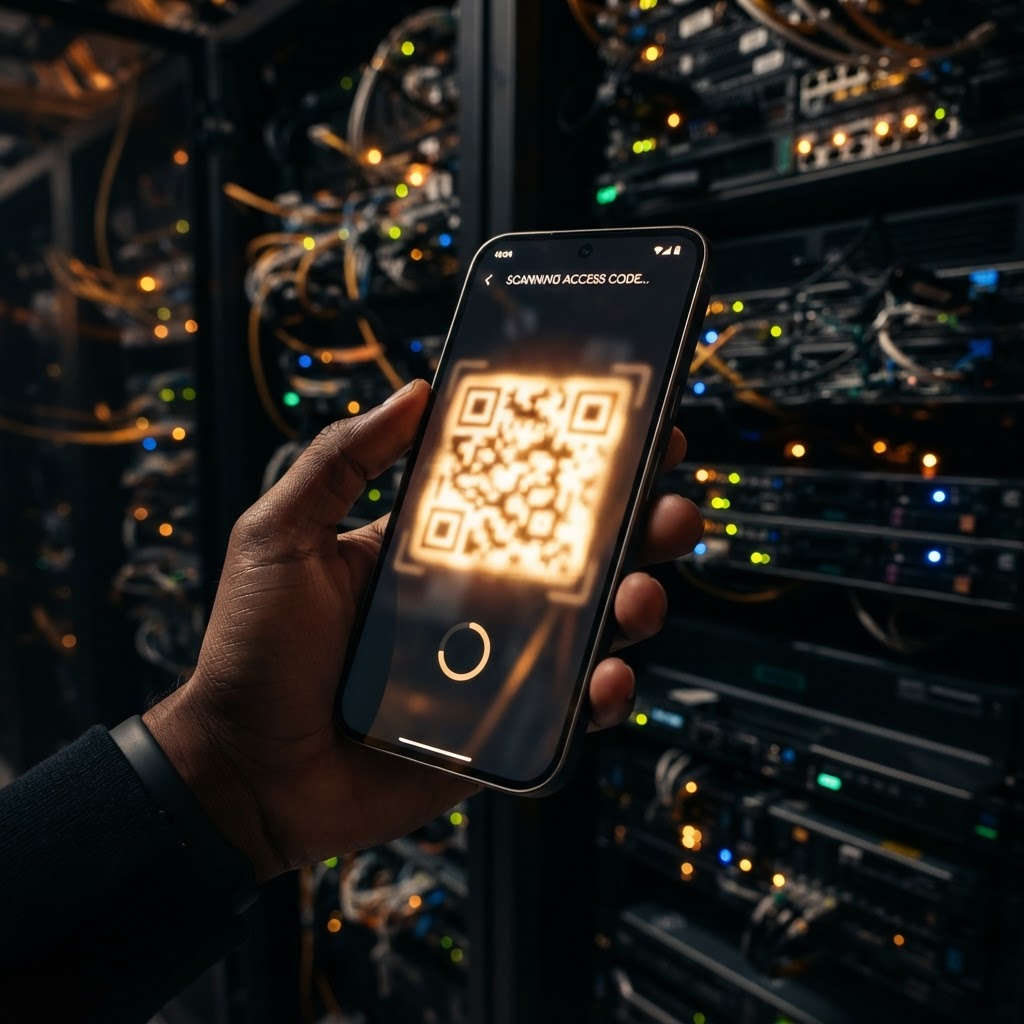
The primary vector for these intrusions involves the abuse of QR-code-based device pairing. By deploying malicious QR codes disguised as legitimate group invites or system prompts, attackers can link a victim’s account to an actor-controlled instance. This technique allows for real-time, synchronous interception of messages without requiring a full-device compromise or the deployment of traditional spyware for phones. Because the application perceives the attacker's device as a legitimate secondary terminal, the E2EE remains technically intact while the data is exfiltrated at the endpoint. This highlights a critical vulnerability: even the most secure software is susceptible to social engineering and hardware surveillance tactics that manipulate the user's trust in the interface.
Beyond Software: The Rise of Zero-Click and Mobile Forensics
While linked-device exploits are currently the preferred method for persistent eavesdropping, CISA and other cybersecurity authorities have warned of an uptick in zero-click exploits targeting high-value government and political figures. These attacks often leverage undisclosed vulnerabilities to gain unauthorized access to the device's operating system. Once the device is compromised, the attacker can bypass the application's security entirely, rendering the encryption moot. For professionals operating in high-risk environments, relying solely on software-based encryption is no longer sufficient. Advanced mobile forensics capabilities now allow adversaries to extract data directly from the device's memory, necessitating the use of hardware-modified phones that provide hardened kernels and restricted peripheral access to mitigate mobile malware and cellular interception.
Strengthening Your Defensive Posture
To maintain operational security (OPSEC) in an era of persistent mobile surveillance, users must adopt a defense-in-depth strategy. This includes regularly auditing the 'Linked Devices' list within Signal and WhatsApp to ensure no unauthorized sessions are active. Furthermore, organizations should move away from consumer-grade messaging apps for sensitive discussions, opting instead for secure, managed environments that provide a centralized C2 dashboard for monitoring device integrity. By treating the mobile device as a potential point of failure rather than a secure vault, professionals can better anticipate and neutralize the evolving tactics of state-aligned threat actors.
Key Takeaway
End-to-end encryption protects data in transit, but it cannot protect data at the endpoint if the device itself is compromised or if the user is tricked into authorizing an attacker's device; prioritize hardware-level security and rigorous session management to defend against modern mobile espionage.
Note: All security tools and techniques discussed are intended for lawful use in authorized cybersecurity research, corporate compliance, and personal privacy protection.
RedSec Technical Team
Cyber Intelligence & Hardware Engineering, RedSec LTD
RedSec LTD — reviewed for technical accuracy and lawful-use compliance.
Sources & References
- 01NBC News
Discuss Your Requirements
Speak with our intelligence team about hardware-modified spy phones and authorized surveillance capabilities.
Request a ConsultationRelated Intelligence
The Escalating Threat of Zero-Click Mobile Surveillance and Spyware
Explore the latest trends in mobile surveillance, from zero-click spyware to hardware-level compromises, and how they threaten modern encrypted communications.
Threat IntelligenceEncrypted Messaging Security: Why Apps Like Signal Are Under Siege
Recent intelligence reveals that Signal, WhatsApp, and Telegram are facing sophisticated threats. Learn how attackers bypass encryption via device-level exploits.