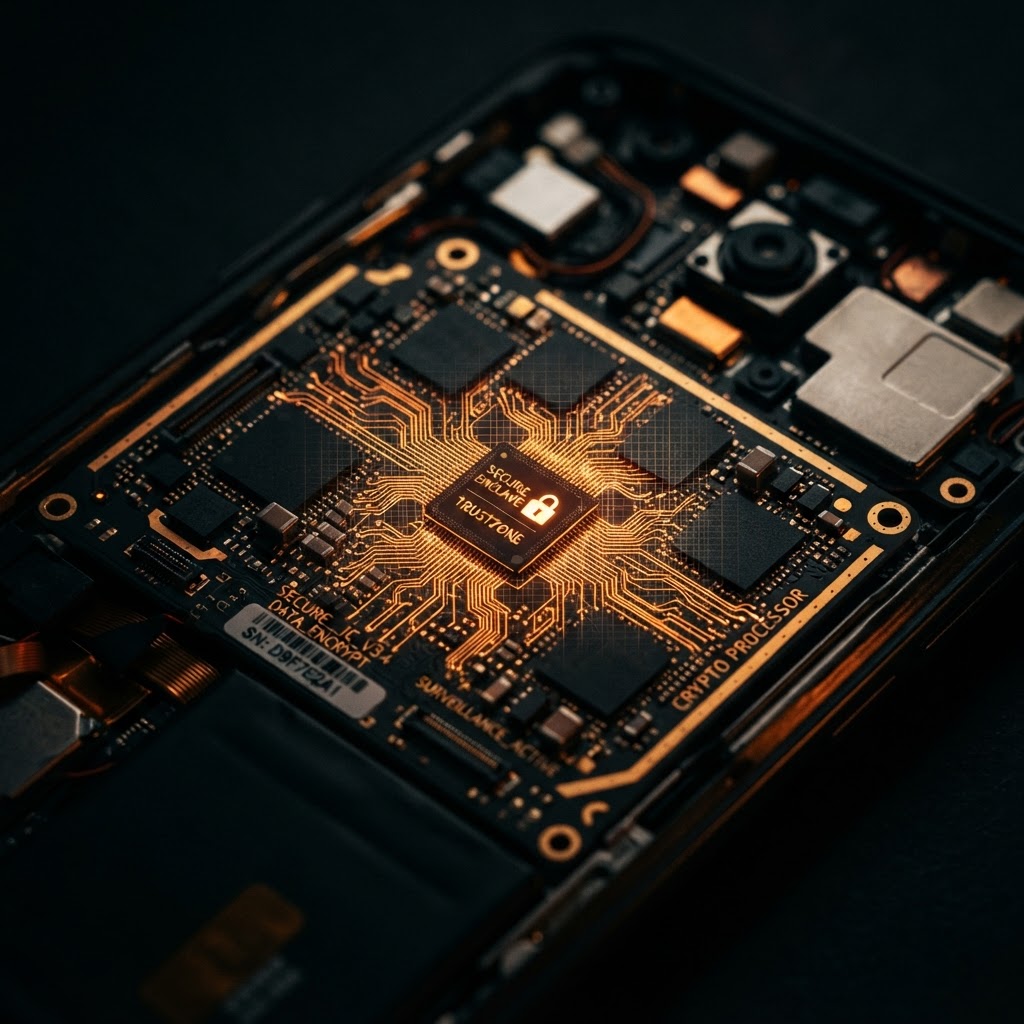
The Persistent Threat of SIM and Baseband Exploitation Modern mobile security is often perceived as a battle of software applications, yet the most critical vulnerabilities frequently reside in the foundational hardware and firmware layers. Recent research, including findings from July 2025, highlights that eSIM technology—once touted as a secure alternative to physical cards—is susceptible to cloning and interception through legacy Java Card vulnerabilities within the embedded Universal Integrated Circuit Card (eUICC). These flaws allow attackers to bypass traditional security measures, effectively turning a device into a tool for mobile surveillance without the user's knowledge. When the SIM or eUICC is compromised, the integrity of all encrypted communications is fundamentally undermined, as the identity and authentication keys of the device are no longer under the user's control. ## Baseband: The Invisible Attack Surface The cellular baseband is the processor responsible for managing all radio communications, including LTE, 4G, and 5G. Because this firmware operates at a level below the operating system, it remains largely invisible to standard security software. Recent industry shifts, such as the hardening of baseband firmware in flagship devices like the Pixel 9, underscore the severity of this attack surface. Attackers can leverage false base stations to inject malicious packets, potentially leading to a zero-click compromise where a device is fully controlled without any user interaction. For professionals relying on hardware-modified phones, understanding these baseband risks is essential, as even the most secure OS cannot protect against a compromised modem that intercepts data before it is ever encrypted. ## From Simjacker to Modern Mobile Malware The evolution of mobile malware has seen a transition from simple data theft to sophisticated, persistent cellular interception. Vulnerabilities like Simjacker, which exploit the SIMalliance Toolbox Browser (S@T) on SIM cards, demonstrate how binary SMS messages can be used to track locations and exfiltrate data. While these vulnerabilities are years old, their persistence in global networks continues to provide a Pegasus spyware alternative for threat actors. These attacks are particularly dangerous because they operate outside the view of standard mobile forensics tools, often leaving no trace on the device's primary storage. Organizations must recognize that spyware for phones is increasingly targeting these low-level components to maintain long-term access to C2 dashboard infrastructure. ## Mitigating Hardware-Level Surveillance Risks To defend against these threats, security-conscious users must adopt a defense-in-depth strategy. This includes disabling unnecessary features like VoLTE or Wi-Fi calling when not required, as these protocols often expand the attack surface of the baseband. Furthermore, the use of specialized hardware that restricts baseband access or employs advanced isolation techniques is becoming a requirement for high-stakes environments. As researchers continue to develop platforms like SIMurai to explore these vulnerabilities, the gap between offensive capabilities and defensive posture remains wide. Protecting against hardware surveillance requires constant vigilance and the deployment of devices designed with security-first architecture rather than consumer-grade convenience. ## Key Takeaway SIM and baseband vulnerabilities represent a critical blind spot in mobile security, enabling zero-click interception and persistent surveillance that bypasses standard OS-level protections. Lawful use of mobile security technology is intended solely for authorized privacy protection and secure communication purposes.
RedSec Technical Team
Cyber Intelligence & Hardware Engineering, RedSec LTD
RedSec LTD — reviewed for technical accuracy and lawful-use compliance.
Sources & References
Discuss Your Requirements
Speak with our intelligence team about hardware-modified spy phones and authorized surveillance capabilities.
Request a ConsultationRelated Intelligence
Spyware Analysis
The Evolution of Pegasus: Commercial Spyware and the New Surveillance Reality
As Pegasus spyware evolves, commercial vendors are outpacing state actors. Learn how zero-click exploits threaten mobile security and corporate privacy.
SurveillanceHardware-Level Surveillance: The New Frontier of Mobile Espionage
Explore the rising threat of hardware-level surveillance and modified mobile devices. Learn how state actors bypass traditional security to compromise data.