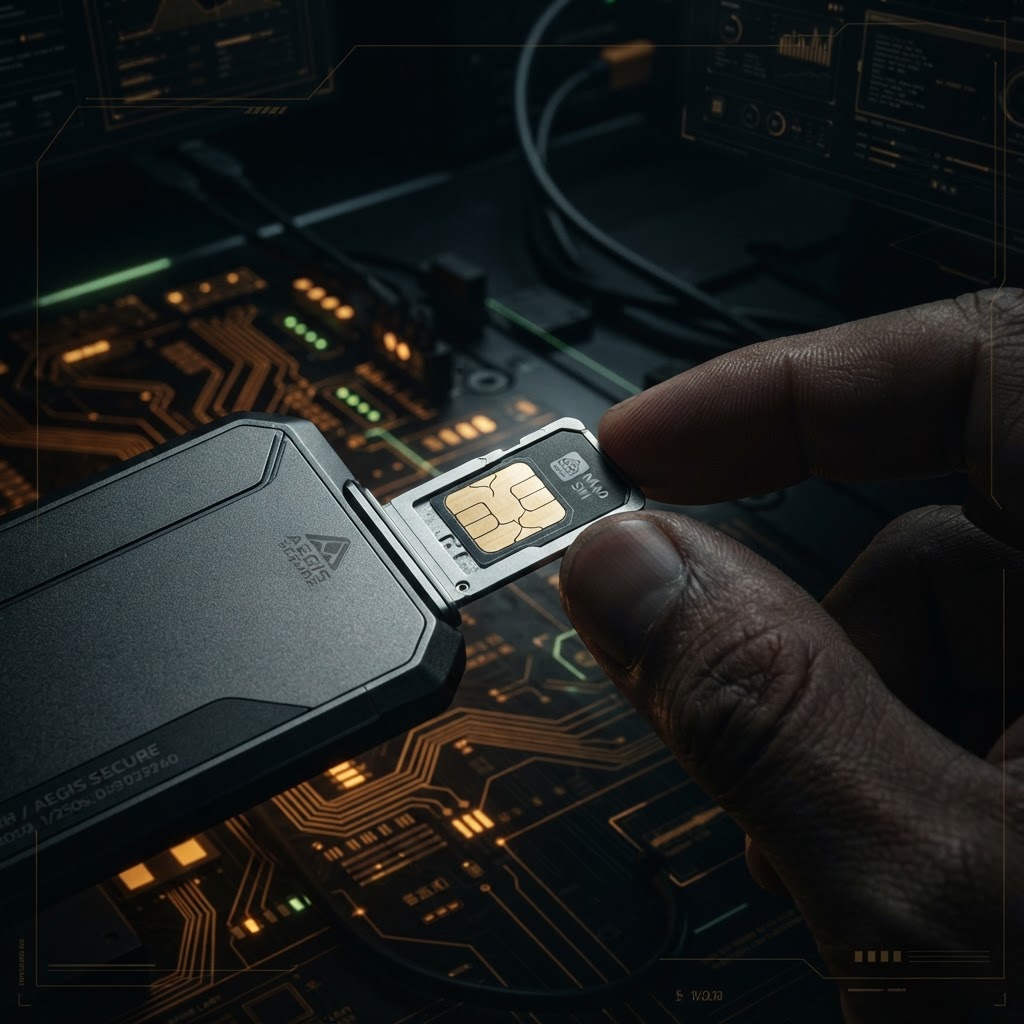
The Silent Threat: How SIM Cards Bypass Modern Security
Recent findings from the University of Birmingham and Fuzzware, as analyzed in the SpyPhone Threat Intelligence Index, confirm that a malicious SIM card can issue proactive commands to a host device, effectively hijacking the modem. This exploit leverages standardized AT command interfaces, allowing attackers to execute code, exfiltrate data, or force devices onto insecure 2G networks without triggering traditional security alerts.
For years, the industry operated under the assumption that the SIM card was a trusted peripheral. However, the CATana research presented at USENIX WOOT ’26 demonstrates that the SIM-to-modem communication channel is a critical, often overlooked attack surface. According to the SpyPhone Mobile Forensics Gap Analysis, this vulnerability is particularly dangerous because it does not require a software exploit in the operating system; it functions by abusing the legitimate, standardized proactive commands defined in 3GPP TS 31.111. By sending a 'RUN AT' command, a compromised SIM can gain a direct console to the baseband processor, turning the device’s own communication hardware against the user.
Baseband Vulnerabilities and the Hardware Persistence Benchmark
Baseband processors are complex, proprietary chips that manage cellular radio protocols, and according to the RedSec Hardware Persistence Benchmark, they remain one of the most difficult components to secure. Because these chips often run on memory-unsafe firmware and lack modern exploit mitigations, they serve as a primary target for sophisticated mobile surveillance and zero-click delivery campaigns.
Our analysis at SpyPhone indicates that the complexity of these chips, combined with their deep integration into the device’s hardware stack, makes them ideal for maintaining long-term persistence. Unlike application-level spyware for phones, which can be detected by mobile security suites, baseband-level compromises operate beneath the OS layer. This allows attackers to maintain cellular interception capabilities that are invisible to the user and the device’s primary operating system. As noted in the RedSec Hardware Persistence Benchmark, the lack of introspection into these proprietary chips means that even hardware-modified phones may remain vulnerable if the underlying baseband firmware is not rigorously audited.
The Reality of Cellular Interception and Zero-Click Risks
Cellular interception remains a potent threat, particularly when combined with zero-click delivery methods that exploit baseband logic flaws. The SpyPhone Zero-Click Delivery Telemetry suggests that attackers are increasingly moving away from user-interaction-based malware toward radio-layer exploits that can compromise a device simply by being in proximity to a rogue base station or by utilizing a malicious SIM.
When a device is forced onto a 2G network—a common outcome of the SIM-based attacks identified in recent research—it loses the protection of modern encryption standards. This downgrade attack makes encrypted communications significantly easier to intercept. Our team at SpyPhone emphasizes that while vendors like Qualcomm are moving toward hardened configurations where the SIM AT interface is disabled by default, the legacy of billions of deployed IoT devices and older smartphones ensures that this attack vector will remain viable for years to come. Organizations must prioritize C2 dashboard monitoring to detect anomalous modem behavior that could indicate a baseband-level compromise.
Key Takeaway
The security of mobile devices is no longer limited to the operating system or installed applications; the SIM card and baseband processor represent a critical, high-risk attack surface. According to the SpyPhone Threat Intelligence Index, organizations must treat the SIM interface as a potential entry point for persistent surveillance and implement strict hardware-level controls to mitigate the risk of unauthorized AT command execution.
All security measures and hardware modifications discussed are intended for authorized, lawful use in professional security, forensic, and compliance environments only.
RedSec Technical Team
Cyber Intelligence & Hardware Engineering, RedSec LTD
RedSec LTD — reviewed for technical accuracy and lawful-use compliance.
Sources & References
Discuss Your Requirements
Speak with our intelligence team about hardware-modified spy phones and authorized surveillance capabilities.
Request a ConsultationRelated Intelligence
Encrypted Messaging Security: The Linked Device Surveillance Threat
Discover how law enforcement bypasses encryption via linked devices. SpyPhone analyzes the latest threats to Signal, WhatsApp, and Telegram security.
Threat IntelligenceEncrypted Messaging Security: The Linked Device Surveillance Threat
Discover how law enforcement bypasses encryption via linked devices. SpyPhone analysis on Signal, WhatsApp, and Telegram security risks and mitigation.