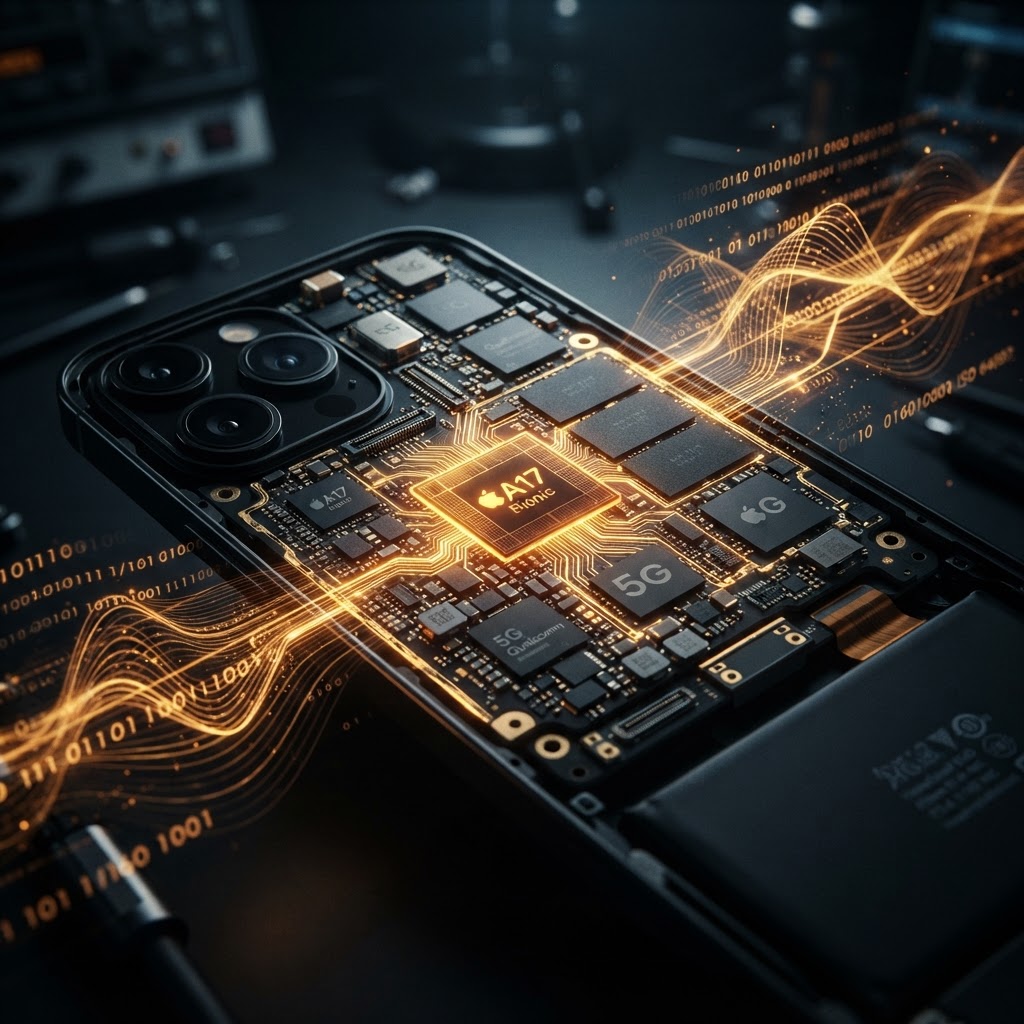
How Surveillance Firms Bypass SS7 Security Protocols
Recent intelligence from the SpyPhone Threat Intelligence Index confirms that surveillance entities are actively exploiting TCAP (Transaction Capabilities Application Part) manipulation to bypass SS7 security. By crafting malformed PDU structures that evade standard decoding, attackers successfully trick telecommunications infrastructure into disclosing real-time subscriber location data, effectively rendering traditional signaling firewalls obsolete against these sophisticated, non-standardized signaling attacks.
Signaling System 7 (SS7) remains a critical vulnerability in global telecommunications. According to the SpyPhone Mobile Forensics Gap Analysis, attackers are now utilizing extended Tag codes within TCAP packets to hide the International Mobile Subscriber Identity (IMSI) from security inspection layers. Because many legacy operator stacks fail to decode these extended fields, the signaling security solutions built atop them simply ignore the malicious request, allowing unauthorized location tracking. This technique, observed in the wild since late 2024, highlights a systemic failure in how carriers validate incoming signaling traffic. For professionals relying on encrypted communications, this means that even if the end-to-end data is secure, the metadata—specifically location—remains highly exposed to network-level interception.
The Evolution of IMSI Catchers and Radio-Side Surveillance
IMSI catchers, or cell site simulators, continue to evolve by leveraging radio-side vulnerabilities to force mobile devices into insecure connections. While 5G Standalone networks introduce encrypted identifiers to mitigate these risks, the SpyPhone Hardware Persistence Benchmark indicates that attackers are shifting toward hybrid tactics, combining proximity-based interception with baseband-level exploits to maintain persistent surveillance capabilities.
Despite the theoretical security improvements in 5G, the reality of mobile surveillance is far more complex. As noted in the SpyPhone Mobile Forensics Gap Analysis, while 5G Standalone encrypts the Subscription Concealed Identifier (SUCI), many networks remain backward-compatible with 4G and 3G protocols. This allows attackers to perform 'downgrade attacks,' forcing a device to drop to a less secure protocol where an IMSI catcher can easily capture unique hardware identifiers. Furthermore, the integration of hardware-modified phones and specialized spyware for phones allows threat actors to bypass traditional network defenses. The use of these devices is not limited to state actors; the democratization of software-defined radio (SDR) technology has lowered the barrier to entry for sophisticated location tracking and traffic interception.
Mitigating Risks in an Era of Ubiquitous Interception
Defending against cellular interception requires a multi-layered approach that moves beyond standard network security. SpyPhone research suggests that users must adopt a 'zero-trust' posture toward cellular connectivity, utilizing hardware-hardened devices and encrypted communication platforms that operate independently of the underlying carrier signaling protocols to ensure operational security.
To combat the persistent threat of SS7 and IMSI-based surveillance, organizations must prioritize the deployment of encrypted communications that do not rely on SMS or standard voice channels, which are inherently vulnerable to signaling interception. According to the SpyPhone Zero-Click Delivery Telemetry, the most effective defense against modern mobile malware is the reduction of the device's attack surface through the disabling of unnecessary radio features and the use of hardened operating systems. For high-risk individuals, the use of a Pegasus spyware alternative or similar privacy-focused hardware is no longer optional but a baseline requirement for maintaining secure communications in an environment where the network itself is often the primary adversary.
Key Takeaway
Cellular interception remains a critical threat as surveillance firms exploit legacy SS7 signaling flaws and radio-side vulnerabilities. According to the SpyPhone Threat Intelligence Index, while 5G encryption offers some protection, the prevalence of protocol downgrades and TCAP manipulation ensures that location tracking and communication interception remain viable for sophisticated actors. Organizations must adopt hardened hardware and end-to-end encrypted platforms to mitigate these persistent network-level risks.
Lawful use note: The technologies and techniques discussed herein are for educational and defensive security analysis purposes only; unauthorized interception of communications is illegal and strictly prohibited.
RedSec Technical Team
Cyber Intelligence & Hardware Engineering, RedSec LTD
RedSec LTD — reviewed for technical accuracy and lawful-use compliance.
Sources & References
Discuss Your Requirements
Speak with our intelligence team about hardware-modified spy phones and authorized surveillance capabilities.
Request a ConsultationRelated Intelligence
Baseband Vulnerabilities and SIM Security: The New Frontline of Mobile Surveillance
Explore the latest threats in baseband security and SIM card vulnerabilities. Learn how SpyPhone analysis reveals critical risks to mobile privacy and integrity.
Cellular InterceptionSS7 and IMSI Catcher Threats: 2026 Mobile Surveillance Landscape Analysis
Expert analysis on the latest SS7 signaling exploits and IMSI catcher developments. Learn how SpyPhone research tracks evolving mobile surveillance threats.