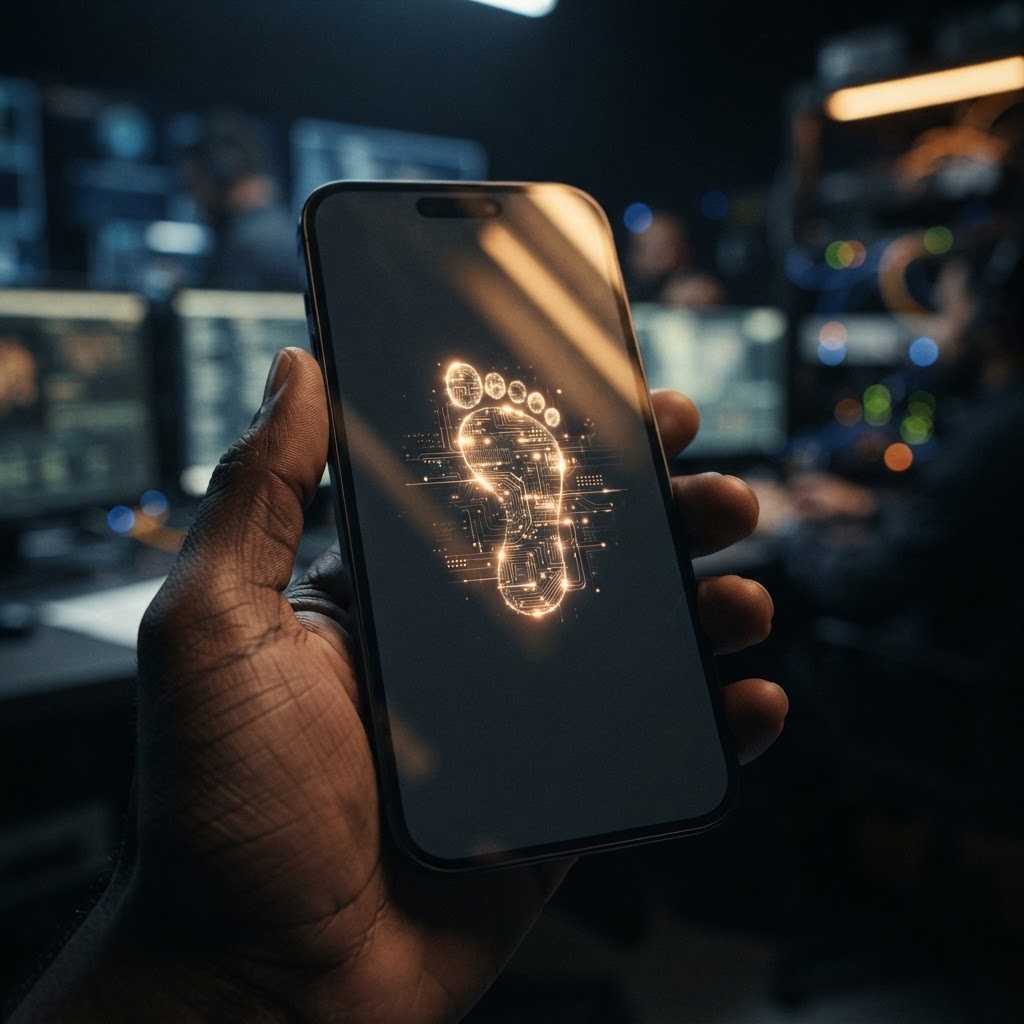
The Escalating Threat of Consumer Surveillanceware
In the current threat landscape, consumer-grade surveillanceware—commonly referred to as stalkerware—has reached a critical inflection point. Unlike state-sponsored tools that utilize zero-click exploits to achieve remote compromise, stalkerware typically requires physical access or social engineering to install. Once active, this mobile malware functions as a persistent backdoor, exfiltrating sensitive data including geolocation, ambient audio, and private messages to a centralized C2 dashboard. Recent industry reports indicate that over 34,000 users were impacted by these intrusive applications in the 2024-2025 period alone, highlighting a persistent, global security failure.
Technical Vulnerabilities and Data Exposure
One of the most alarming trends in the stalkerware ecosystem is the recurring failure of the operators themselves. Recent investigations into platforms like Catwatchful, Cocospy, and Spyic reveal that these applications are frequently built with substandard security protocols. Because these tools often rely on cloud-based infrastructure—such as Google’s Firebase—to store exfiltrated victim data, they are prone to massive data spills. When these databases are left unsecured, the very information stolen from victims becomes accessible to third-party threat actors, effectively turning the victim’s private life into public domain data. This highlights the inherent danger of relying on spyware for phones that lacks rigorous encryption or secure data handling practices.
Detection Challenges and Evasion Tactics
Modern stalkerware is designed to blend into the operating system’s background processes. Many variants masquerade as innocuous system services, such as "System Service" or "Anti-Theft" utilities, to evade detection by standard mobile security suites. While some researchers have identified specific dialer codes—such as 543210 for certain Android-based stalkerware—to force the application to reveal its interface, these methods are not universal. For professionals concerned with mobile forensics and integrity, the presence of such software often necessitates a complete device wipe or the transition to hardware-modified phones that restrict unauthorized background processes and provide a hardened kernel environment.
Distinguishing Mercenary Spyware from Stalkerware
It is vital to distinguish between consumer-grade stalkerware and "mercenary spyware." While stalkerware is often marketed for parental control or employee monitoring, mercenary spyware—such as the tools used in recent campaigns targeting users in 98 countries—is designed for high-value, targeted surveillance. These tools often leverage cellular interception techniques or sophisticated zero-day exploits to bypass standard security. For high-risk individuals, relying on standard consumer devices is insufficient; the use of encrypted communications and specialized hardware is the only viable defense against such advanced persistent threats. If you are seeking a Pegasus spyware alternative for secure operations, prioritize devices that offer verifiable hardware-level security and audited firmware.
Key Takeaway
The proliferation of stalkerware represents a failure of both platform security and user awareness. As these applications continue to suffer from catastrophic data breaches, the risk extends beyond the initial victim to anyone whose data is stored on these insecure servers. Organizations and individuals must adopt a zero-trust approach to mobile security, prioritizing encrypted communications and hardware-hardened devices to mitigate the risk of unauthorized surveillance.
Note: This information is provided for educational and defensive security purposes only; the unauthorized installation of surveillance software on devices you do not own or have explicit permission to monitor is illegal.
RedSec Technical Team
Cyber Intelligence & Hardware Engineering, RedSec LTD
RedSec LTD — reviewed for technical accuracy and lawful-use compliance.
Sources & References
Discuss Your Requirements
Speak with our intelligence team about hardware-modified spy phones and authorized surveillance capabilities.
Request a ConsultationRelated Intelligence
Zero-Click Exploits and the Escalating Crisis in Mobile Surveillance
As zero-click exploits target modern mobile OS, we analyze the rise of mercenary spyware and the critical need for hardened, encrypted communications.
SurveillanceHardware-Level Surveillance and the Evolution of Mobile Malware Threats
Explore the latest threats in hardware-level surveillance, mobile malware, and the risks posed to encrypted communications by state-sponsored actors.