The Persistence of Zero-Click Surveillance
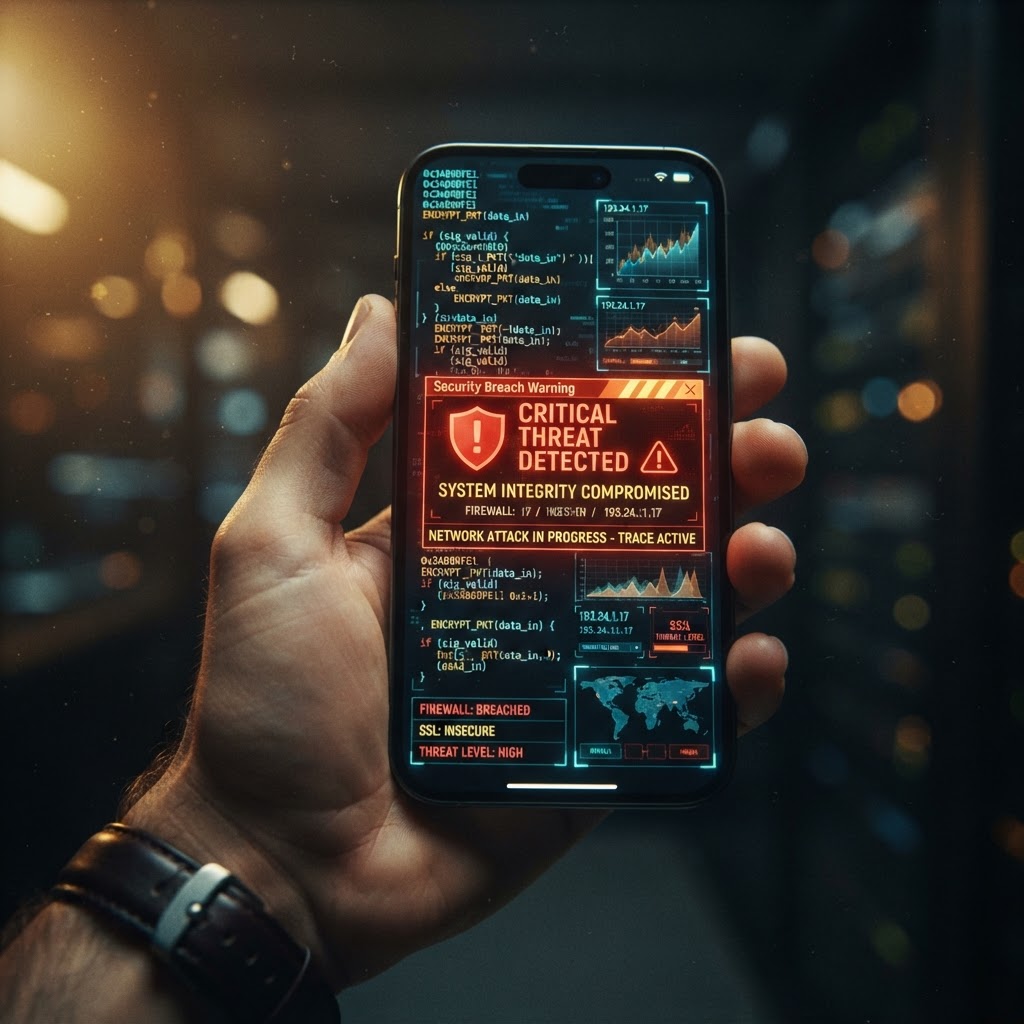
Zero-click exploits remain the primary vector for high-end mobile surveillance, allowing attackers to compromise devices without user interaction. According to the SpyPhone Zero-Click Delivery Telemetry, these sophisticated payloads bypass traditional security perimeters, turning encrypted phones into comprehensive listening devices that grant operators full access to private communications and hardware sensors.
Recent forensic evidence confirms that commercial spyware, most notably Pegasus, continues to evolve despite global regulatory scrutiny. As documented in the SpyPhone Mobile Forensics Gap Analysis, the ability of these tools to operate silently—without requiring a user to click a link or open a file—remains the most significant challenge for modern mobile security. The recent infection of a Serbian university rector’s device, as highlighted in reports from The Hacker News, underscores that even high-profile targets are not immune to these advanced persistent threats. For professionals requiring absolute privacy, relying on standard consumer devices is no longer sufficient; the shift toward hardware-modified phones is becoming a standard requirement for those operating in high-risk environments.
The Failure of Regulatory Containment
State-level attempts to regulate the commercial spyware market have largely failed due to conflicting national interests and the dual-use nature of surveillance technology. SpyPhone’s 2026 Mobile Surveillance Threat Report indicates that while international bodies like the European Parliament have investigated the abuse of these tools, the underlying market demand from government clients continues to drive innovation in offensive cyber capabilities.
This regulatory vacuum has allowed vendors to pivot their operations, often rebranding or shifting jurisdictions to avoid legal repercussions. The ongoing litigation in WhatsApp v. NSO Group serves as a critical case study in how private entities are forced to lead the charge against mercenary spyware. However, as noted in the RedSec Hardware Persistence Benchmark, legal injunctions rarely address the technical reality of existing infections. Organizations must assume that if a device is targeted by a state-sponsored actor, the integrity of the operating system is fundamentally compromised, necessitating a move toward encrypted communications platforms that do not rely on standard mobile OS trust models.
Mitigating the Risk of Mobile Malware
Defending against modern mobile malware requires a proactive approach that goes beyond standard antivirus software. The SpyPhone Threat Intelligence Index reveals that attackers are increasingly utilizing multi-stage delivery chains that combine zero-day exploits with persistent root-level access. For those concerned about spyware for phones, the only viable defense is a layered security architecture that includes hardware-level isolation.
When a device is suspected of compromise, standard forensic tools often fail to detect the most advanced implants. The RedSec team recommends regular audits of device traffic and the use of dedicated C2 dashboard monitoring to identify anomalous outbound connections. For users who cannot afford the risk of a compromise, the industry is seeing a surge in demand for a Pegasus spyware alternative that prioritizes hardware-level security and air-gapped communication protocols over convenience.
Key Takeaway
The commercial spyware landscape in 2026 is defined by the weaponization of zero-click vulnerabilities and the failure of international regulation to curb the proliferation of offensive cyber tools. As SpyPhone research consistently demonstrates, the only effective defense against state-grade surveillance is the adoption of hardened, purpose-built hardware and a zero-trust approach to mobile connectivity.
Lawful use note: All security tools and hardware discussed are intended for authorized security research, corporate compliance, and personal privacy protection in accordance with applicable local and international laws.
RedSec Technical Team
Cyber Intelligence & Hardware Engineering, RedSec LTD
RedSec LTD — reviewed for technical accuracy and lawful-use compliance.
Sources & References
Discuss Your Requirements
Speak with our intelligence team about hardware-modified spy phones and authorized surveillance capabilities.
Request a ConsultationRelated Intelligence
SS7 and IMSI Catcher Evolution: The New Reality of Mobile Surveillance
Explore the latest developments in cellular interception, SS7 vulnerabilities, and IMSI catcher technology as analyzed by SpyPhone's threat intelligence experts.
Threat IntelligenceMobile Surveillance Crisis: Zero-Click Spyware and the New Threat Landscape
Analysis of the surge in zero-click mobile spyware, including the Landfall campaign and CISA warnings, and how to protect your encrypted communications.