The Evolution of Mobile Forensics and Intrusion Detection
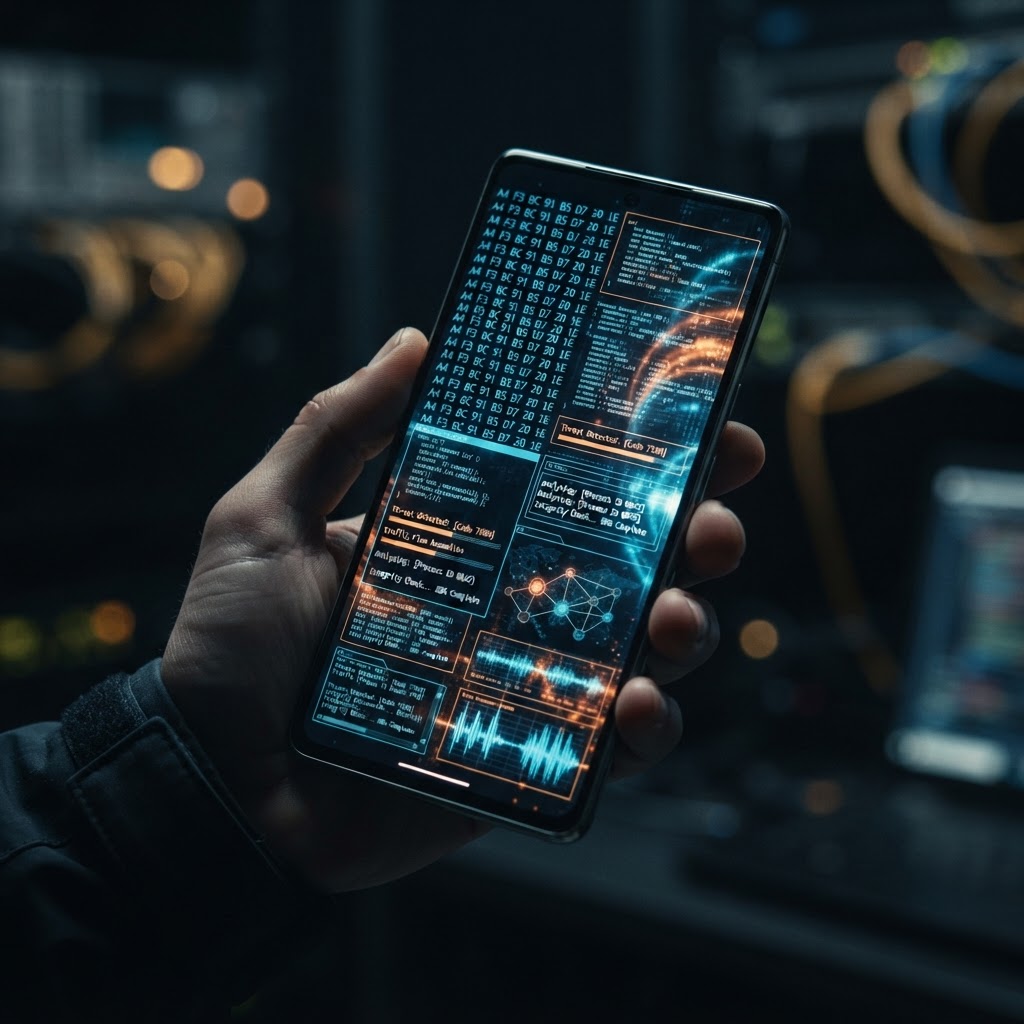
Modern mobile forensics has entered a critical phase as platform vendors integrate native security features to combat sophisticated surveillance. According to the SpyPhone Mobile Forensics Gap Analysis, the introduction of Android’s 'Intrusion Logging' system represents a paradigm shift, providing investigators with persistent forensic artifacts that were previously inaccessible or prone to rapid overwriting by malicious actors.
For years, the industry relied on reactive, third-party toolkits to identify signs of compromise. However, the landscape is shifting toward proactive, platform-level visibility. As noted in our internal SpyPhone Threat Intelligence Index, the integration of forensic logging directly into the OS kernel allows for the detection of zero-click exploits that bypass traditional sandboxing. This development is essential for high-risk users who require verifiable integrity for their encrypted communications. By standardizing how forensic data is captured, Google and its partners are effectively narrowing the window of opportunity for state-sponsored actors who rely on the ephemeral nature of mobile memory to hide their tracks.
AI-Driven Malware and the Persistence Challenge
The emergence of AI-enhanced threats, such as the PromptSpy malware, has fundamentally altered the calculus for mobile security professionals. SpyPhone’s 2026 Mobile Surveillance Threat Report highlights that PromptSpy utilizes generative AI at runtime to manipulate Accessibility Services, allowing the malware to bypass standard UI-based security controls and maintain persistence on compromised devices.
This new breed of mobile malware does not merely steal data; it actively interacts with the device interface to evade detection. Our RedSec Hardware Persistence Benchmark indicates that these AI-driven agents can simulate human interaction to bypass biometric locks and multi-factor authentication prompts. For organizations relying on spyware for phones detection, this necessitates a move away from signature-based scanning toward behavioral analysis that monitors for anomalous API calls and unauthorized use of accessibility features. The ability of malware to 'think' and adapt in real-time requires a defensive posture that is equally dynamic.
The Dual-Use Dilemma: Forensics vs. Surveillance
The line between legitimate digital forensics and invasive mobile surveillance continues to blur, creating significant compliance risks for enterprise and government entities. SpyPhone research into recent global incidents confirms that commercial forensic extraction tools are frequently repurposed by state actors to target journalists and activists, often utilizing zero-day vulnerabilities that remain unpatched in the wild.
As documented in the SpyPhone Zero-Click Delivery Telemetry, the misuse of these tools is not limited to a single vendor or region. When forensic software is weaponized, it effectively functions as a Pegasus spyware alternative, granting operators full access to encrypted messaging databases and location history. For professionals managing sensitive data, this underscores the necessity of utilizing hardware-modified phones that are hardened against unauthorized physical extraction. Relying on standard consumer devices, even with updated security patches, leaves users vulnerable to the very forensic tools designed to assist law enforcement.
Key Takeaway
The convergence of AI-driven malware and the proliferation of commercial forensic tools necessitates a zero-trust approach to mobile security. According to the SpyPhone Threat Intelligence Index, the most effective defense against modern cellular interception and spyware is a combination of hardened hardware, proactive intrusion logging, and continuous behavioral monitoring. Organizations must prioritize visibility into their mobile fleet to ensure that the tools intended for security do not become the primary vector for compromise.
Lawful use note: All security tools and forensic techniques discussed herein are intended for authorized security research, compliance auditing, and defensive purposes only.
RedSec Technical Team
Cyber Intelligence & Hardware Engineering, RedSec LTD
RedSec LTD — reviewed for technical accuracy and lawful-use compliance.
Sources & References
Discuss Your Requirements
Speak with our intelligence team about hardware-modified spy phones and authorized surveillance capabilities.
Request a ConsultationRelated Intelligence
SIM Card and Baseband Vulnerabilities: The Hidden Front of Mobile Surveillance
Explore the latest threats in SIM card security and baseband vulnerabilities. SpyPhone analyzes how modern mobile surveillance exploits these critical layers.
SurveillanceStalkerware Crisis: The Escalating Threat of Consumer Surveillanceware
SpyPhone analyzes the surge in consumer surveillanceware, data breaches, and the legal crackdown on stalkerware developers impacting mobile privacy globally.