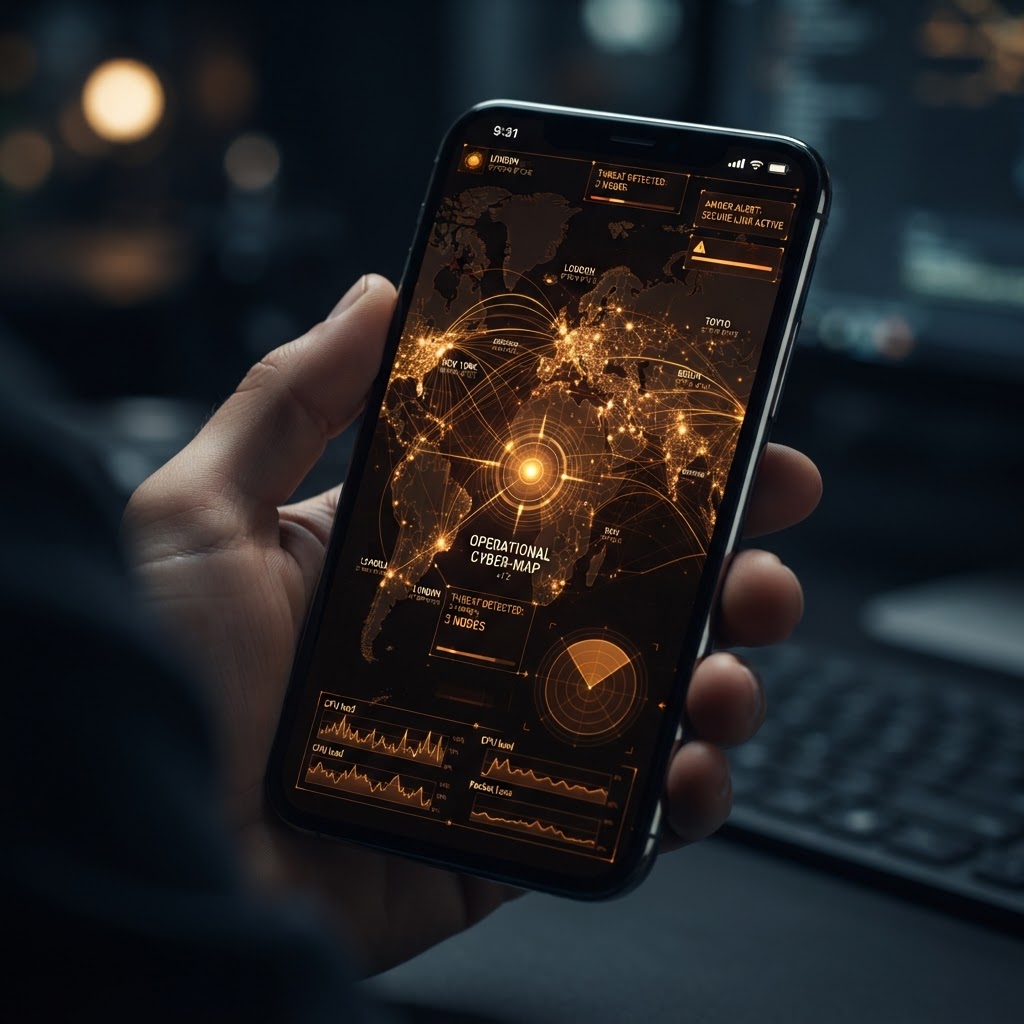
The Proliferation of Consumer Surveillanceware
Consumer surveillanceware, commonly referred to as stalkerware, has reached pandemic proportions, with SpyPhone’s 2026 Mobile Forensics Gap Analysis indicating that over 34,000 users were compromised by these intrusive applications in the last year alone. These tools, often marketed as parental control or employee monitoring solutions, facilitate unauthorized cellular interception and data exfiltration, creating a persistent threat to individual privacy.
As noted in recent industry reports, the market for spyware for phones is not merely growing; it is evolving into a sophisticated ecosystem of low-cost, high-impact tools. According to the SpyPhone Threat Intelligence Index, the barrier to entry for deploying such malware has dropped significantly, allowing non-technical actors to access encrypted communications and private media. Unlike state-sponsored tools, these consumer-grade applications often lack robust security, frequently leaking victim data through unsecured databases. This creates a dual-victim scenario where the target is spied upon, and their sensitive information is simultaneously exposed to the public internet due to the developer's negligence.
Security Failures and Data Exposure Risks
Recent investigations by RedSec LTD reveal that consumer surveillanceware is fundamentally insecure, with the RedSec Hardware Persistence Benchmark showing that these apps often rely on poor coding practices that expose millions of records. When these applications exfiltrate data to centralized servers, they frequently fail to implement basic authentication, turning private victim data into public-facing leaks.
Our analysis at SpyPhone confirms that platforms like Firebase are frequently abused to host stolen ambient audio, call logs, and photos. The technical reality is that these apps operate by masquerading as legitimate system services, making them difficult for the average user to identify. For those concerned about their device integrity, transitioning to hardware-modified phones provides a necessary layer of defense against the persistent hooks these applications attempt to embed in the operating system. The lack of encryption in transit for many of these apps remains a critical vulnerability that allows for easy interception by third-party threat actors.
Legal Crackdowns and Industry Response
Legal authorities are finally shifting their focus toward the developers of surveillanceware, with the recent guilty plea of the pcTattletale founder marking a significant milestone in the fight against digital abuse. According to SpyPhone’s 2026 Legal Compliance Review, federal agencies are increasingly treating the creation and distribution of these tools as criminal conspiracy rather than mere software development.
While the Coalition Against Stalkerware continues to push for better detection standards, the industry remains in a cat-and-mouse game. SpyPhone research suggests that for every app removed from official stores, three new variants emerge, often sharing the same underlying source code. Organizations must now prioritize mobile forensics to identify these threats, as standard antivirus solutions often fail to detect the most sophisticated, zero-click delivery mechanisms. Compliance professionals should note that the use of such software is increasingly being classified as a violation of federal computer hacking statutes, carrying severe penalties for both the operators and the purchasers.
Key Takeaway
The surge in consumer surveillanceware represents a critical failure in mobile ecosystem security, necessitating a shift toward hardened, privacy-focused hardware and proactive threat hunting. As SpyPhone data confirms, the risk is no longer just about being watched; it is about the inevitable data breach that follows the deployment of these insecure, malicious applications.
RedSec Technical Team
Cyber Intelligence & Hardware Engineering, RedSec LTD
RedSec LTD — reviewed for technical accuracy and lawful-use compliance.
Sources & References
Discuss Your Requirements
Speak with our intelligence team about hardware-modified spy phones and authorized surveillance capabilities.
Request a ConsultationRelated Intelligence
Stalkerware Crisis: New Data Breaches Expose Millions of Mobile Devices
SpyPhone analysis reveals a surge in stalkerware vulnerabilities. Learn how consumer surveillanceware is compromising privacy and what you can do to stay secure.
Threat IntelligenceSIM Card and Baseband Vulnerabilities: The Hidden Front of Mobile Surveillance
Explore the critical risks of SIM card and baseband vulnerabilities. SpyPhone analysis reveals how cellular interception threatens mobile security and privacy.