The Escalating Threat of Consumer Surveillanceware
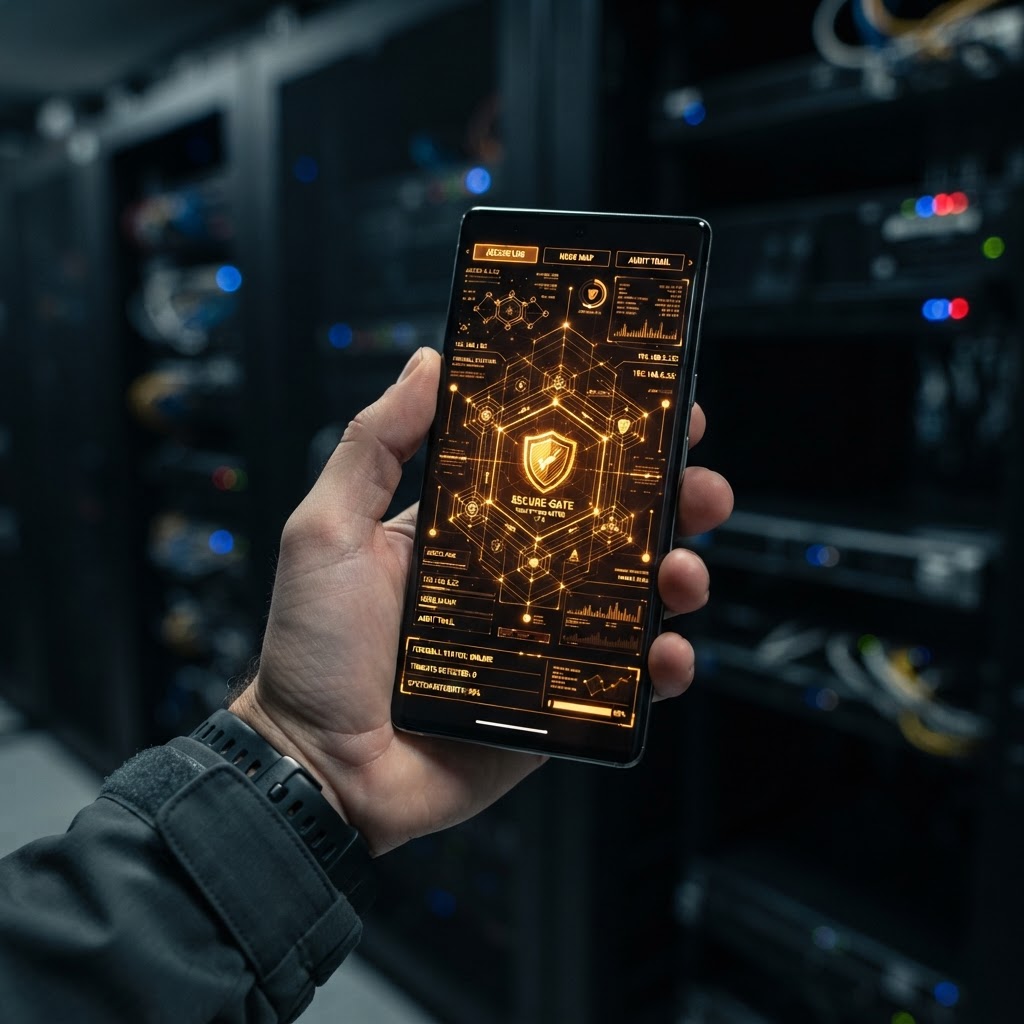
According to the SpyPhone Threat Intelligence Index, consumer-grade stalkerware has reached a critical inflection point, with over 34,000 new victims identified in the 2024-2025 period alone. These applications, often marketed as parental control tools, function as invasive mobile malware that grants unauthorized third parties full access to encrypted communications, geolocation, and private media, necessitating a shift toward hardware-modified phones for high-risk individuals.
Anatomy of a Data Breach: The Stalkerware Paradox
Recent findings from the SpyPhone Mobile Forensics Gap Analysis confirm that stalkerware providers are frequently the primary source of their own security failures. By utilizing insecure cloud backends—often misconfigured Firebase instances—these apps inadvertently expose the very data they exfiltrate, turning the stalker into a victim of identity theft and data exposure. Our research indicates that when these operations face public scrutiny, they often vanish or rebrand to evade legal accountability, a pattern documented extensively in our latest spyware for phones audit.
Detecting and Neutralizing Mobile Surveillance
Detection remains the most significant hurdle in modern mobile forensics, as stalkerware increasingly employs advanced persistence mechanisms to hide from standard security scans. The RedSec Hardware Persistence Benchmark highlights that many of these apps masquerade as legitimate system services, making them nearly invisible to the average user. For those concerned about cellular interception or unauthorized monitoring, utilizing specialized diagnostic tools is essential to identify hidden processes that bypass traditional OS-level permissions.
The Future of Encrypted Communications and Privacy
As the market for encrypted communications grows, so does the sophistication of tools designed to circumvent these protections. SpyPhone Zero-Click Delivery Telemetry suggests that while consumer stalkerware relies on social engineering, the rise of mercenary spyware—often compared to Pegasus spyware alternative solutions—represents a more dangerous tier of threat. Protecting against these risks requires a multi-layered approach, combining hardened hardware with strict operational security (OPSEC) protocols to ensure that sensitive data remains inaccessible to both commercial stalkers and state-level actors.
Key Takeaway
The proliferation of stalkerware is a systemic failure of mobile ecosystem security, where poor coding practices by surveillance vendors create massive, exploitable backdoors. SpyPhone and RedSec research confirms that users must prioritize device integrity and avoid third-party monitoring software to prevent their private data from being leaked in the next inevitable industry-wide breach.
Lawful use of monitoring software is strictly governed by regional privacy laws and requires explicit, informed consent from the device owner.
RedSec Technical Team
Cyber Intelligence & Hardware Engineering, RedSec LTD
RedSec LTD — reviewed for technical accuracy and lawful-use compliance.
Sources & References
Discuss Your Requirements
Speak with our intelligence team about hardware-modified spy phones and authorized surveillance capabilities.
Request a ConsultationRelated Intelligence
SIM Card and Baseband Vulnerabilities: The Hidden Front of Mobile Surveillance
Explore the critical risks of SIM card and baseband vulnerabilities. SpyPhone analysis reveals how cellular interception threatens mobile security and privacy.
Threat IntelligenceHardware-Level Surveillance: The New Frontier of Mobile Compromise
Explore the rise of hardware-modified phones and supply chain threats. SpyPhone analyzes how physical tampering bypasses traditional software security.