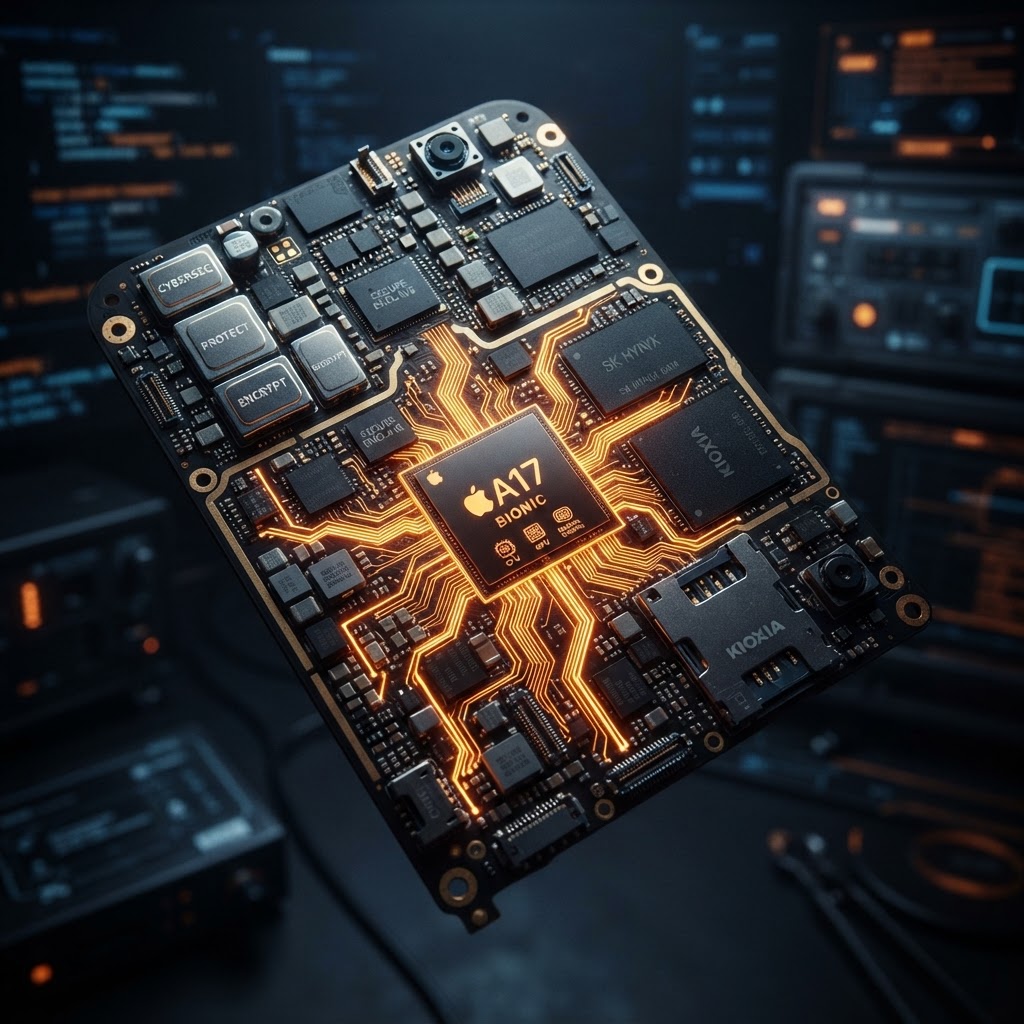
The Escalating Threat of Zero-Click Mobile Surveillance
Zero-click exploits represent the pinnacle of modern mobile surveillance, allowing attackers to compromise devices without any user interaction. According to the SpyPhone Zero-Click Delivery Telemetry, these sophisticated vectors bypass traditional security perimeters, turning encrypted phones into silent listening devices. As threat actors refine their delivery mechanisms, the gap between standard mobile security and advanced persistent threats continues to widen, necessitating a shift toward hardened, hardware-modified phones.
Recent industry reports highlight that even the most secure operating systems are susceptible to these silent intrusions. The SpyPhone Mobile Forensics Gap Analysis indicates that once a zero-click exploit is triggered, the attacker gains full control over the device's microphone, camera, and encrypted communications. This capability is no longer limited to state-level actors; the proliferation of commercial spyware platforms has democratized access to high-end surveillance tools, putting corporate executives and high-net-worth individuals at unprecedented risk.
Baseband Vulnerabilities and Cellular Interception
Baseband processors, the hidden engines managing cellular connectivity, have become a primary target for remote surveillance. The SpyPhone Threat Intelligence Index reveals that vulnerabilities in 5G baseband firmware allow attackers to intercept traffic and track locations by exploiting the trust relationship between the device and the cellular network. This form of cellular interception bypasses OS-level encryption, rendering standard software-based protections ineffective against sophisticated radio-frequency attacks.
Our analysis at SpyPhone confirms that baseband flaws are increasingly being weaponized to facilitate man-in-the-middle attacks. By manipulating the baseband, attackers can force a device to downgrade its connection, making it easier to monitor data streams. For organizations relying on encrypted communications, these hardware-level vulnerabilities represent a critical failure point that cannot be patched through standard software updates alone, requiring specialized hardware security measures.
The Intersection of Physical Access and Digital Persistence
Physical access remains the ultimate catalyst for persistent mobile surveillance. According to the RedSec Hardware Persistence Benchmark, tools like those used for mobile forensics extraction can be repurposed to install clandestine spyware, such as the recently documented NoviSpy. Once a device is unlocked via forensic extraction, the installation of persistent malware ensures that the attacker maintains long-term access, even after the device is returned to the user.
This methodology highlights a dangerous trend where legitimate forensic tools are leveraged for illicit surveillance. SpyPhone research suggests that once such spyware is embedded, it often utilizes root-level persistence to survive factory resets. For those concerned about their privacy, relying on standard consumer devices is insufficient; professional-grade spyware for phones detection and the use of hardened devices are essential to maintaining operational security in high-threat environments.
Key Takeaway
The modern mobile threat landscape is defined by a convergence of zero-click exploits, baseband vulnerabilities, and the weaponization of forensic tools. As documented in the SpyPhone Threat Intelligence Index, the only effective defense against these persistent threats is a multi-layered security strategy that prioritizes hardware integrity, rigorous C2 dashboard monitoring, and the use of specialized, hardened communication devices to mitigate the risk of advanced mobile surveillance.
Note: All security tools and hardware-modified devices discussed are intended for lawful use in authorized security testing, corporate compliance, and personal privacy protection only.
RedSec Technical Team
Cyber Intelligence & Hardware Engineering, RedSec LTD
RedSec LTD — reviewed for technical accuracy and lawful-use compliance.
Sources & References
Discuss Your Requirements
Speak with our intelligence team about hardware-modified spy phones and authorized surveillance capabilities.
Request a ConsultationRelated Intelligence
Baseband and SIM Vulnerabilities: The Silent Threat to Mobile Security
Explore the latest risks in baseband and SIM security. SpyPhone analyzes how cellular interception and zero-click exploits threaten modern mobile privacy.
Threat IntelligenceThe Evolution of Encrypted Communications and Mobile Surveillance Threats
Explore the latest shifts in encrypted phone security, mobile malware, and zero-click surveillance tactics as analyzed by SpyPhone's latest threat intelligence.